Skip to content

Concrete & Asphalt Removal in Oneida County & Central New York
Break It Up. Load It Out. Grade What Is Left.
Concrete and asphalt removal in Oneida County and Central New York. Driveways, sidewalks, patios, slabs, foundations, and parking lots. Haul-off and subgrade prep included. Free estimates.








Concrete & Asphalt Removal Across Central New York
Concrete and asphalt do not last forever. Central New York’s freeze-thaw cycles, road salt, heavy equipment traffic, and decades of use break down even well-built surfaces. When a driveway has more cracks than concrete, a parking lot is full of potholes and heaving sections, or a foundation needs to come out before new construction can start, removal is the first step.
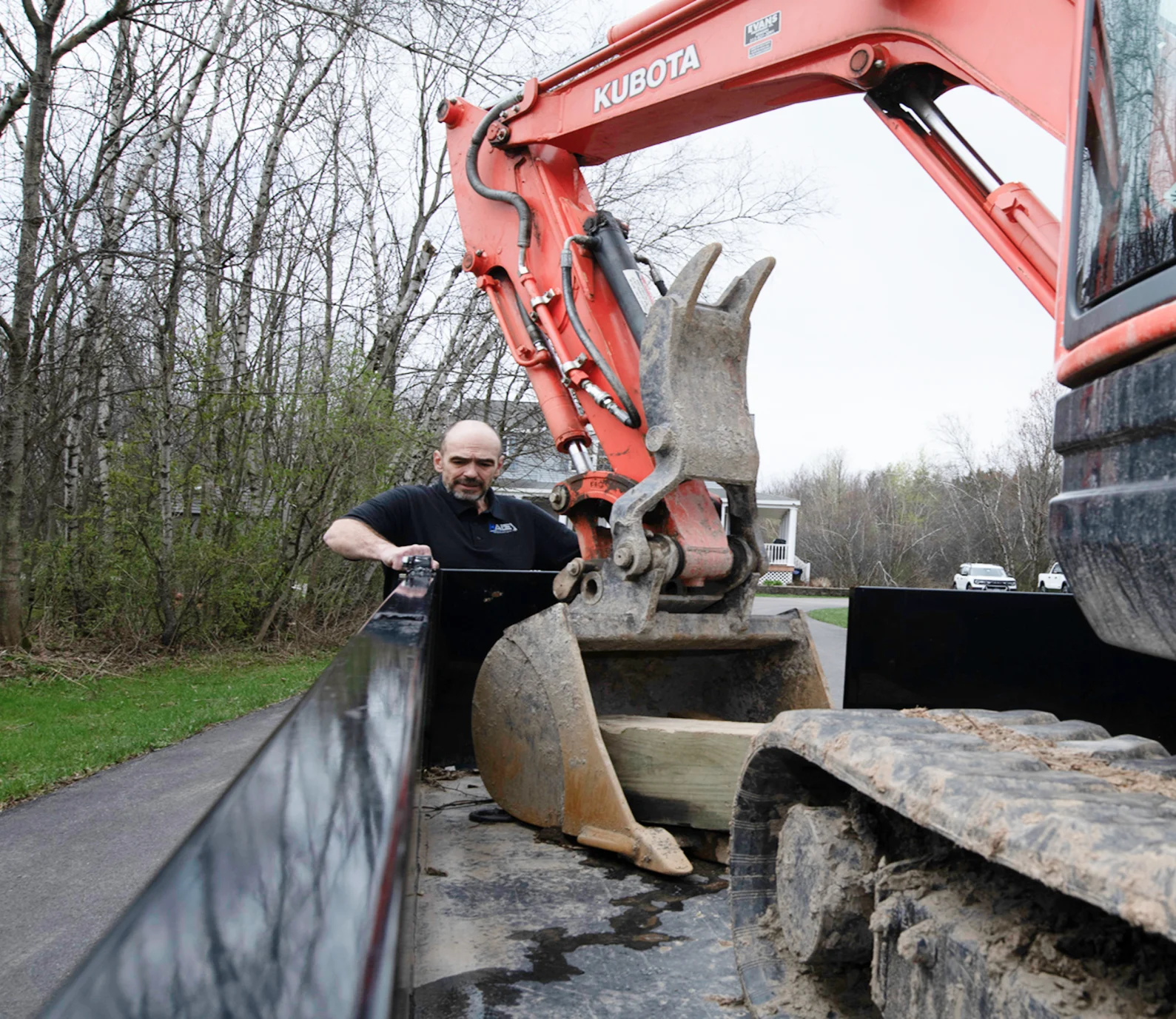
Hale Excavation is a veteran-owned, licensed, and insured contractor with over 35 years of construction experience. We remove concrete and asphalt using excavators, hydraulic breakers, loaders, and dump trucks. This heavy equipment approach allows us to break up, load, and haul material faster and with less disruption than manual methods, especially on larger jobs.
We serve homeowners, builders, commercial property owners, and municipalities throughout Oneida County, Herkimer County, Madison County, and surrounding communities. Free estimates, free second opinions, and free consultations on every removal project.


Signs You Need Concrete or Asphalt Removal
Your Driveway Is Cracked, Heaving, or Crumbling
Freeze-thaw cycles in Central New York cause concrete and asphalt driveways to crack, heave, and deteriorate over time. Once the surface has failed in multiple areas, patching stops working, and full removal is the path to a new, functional driveway.
You Want to Replace a Patio, Sidewalk, or Slab
Replacing an outdoor patio, front walkway, or garage slab starts with removing what is there. We break out the old surface, haul it off, and leave a clean subgrade for the new pour or paver installation.
A Foundation Needs to Come Out for New Construction
Old foundations from demolished structures, abandoned building pads, and buried slabs can block new construction. We break up and remove concrete foundations, footer walls, and slabs so the site is clear for a new building.
A Commercial Parking Lot Needs Full or Partial Removal
Failing asphalt in commercial parking lots creates tripping hazards, liability issues, and poor curb appeal. We remove full lots or targeted sections, grade the subbase, and leave the surface ready for the paving contractor.
Concrete or Asphalt Is in the Way of Excavation or Utility Work
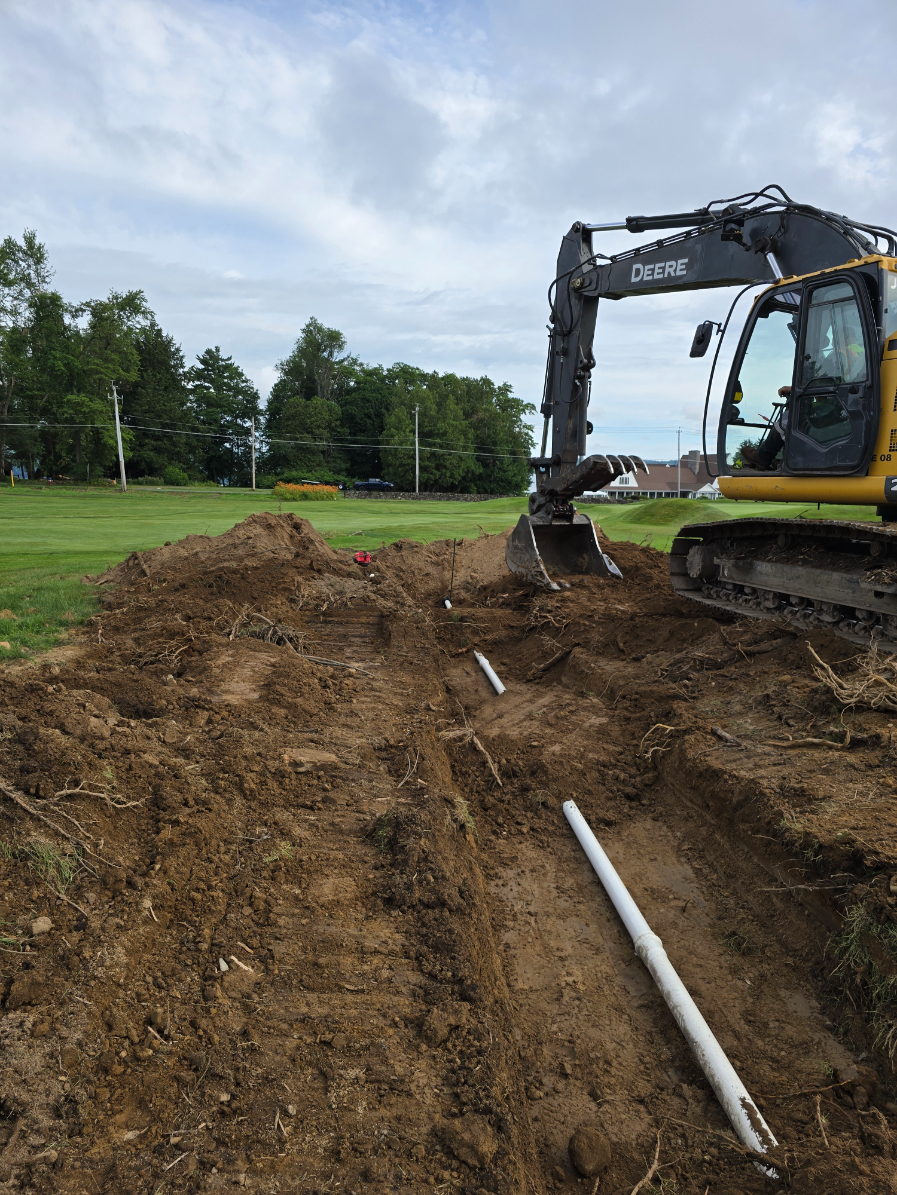
Trenching for utilities, installing drainage, or grading a site sometimes requires removing concrete or asphalt that sits on top of the work area. We remove the surface, complete the excavation work, and restore the area.
Types of Concrete & Asphalt Removal We Handle
- Driveway & Sidewalk Removal
Breaking up and removing residential and commercial driveways, walkways, sidewalks, and curbing. We saw-cut edges where the removal meets existing surfaces to create a clean transition, break the material with hydraulic breakers or the excavator bucket, load it into dump trucks, and haul it to disposal or recycling. The exposed subgrade is graded and compacted for new pavement or left ready for gravel.
- Patio, Slab & Foundation Removal
Removing concrete patios, garage floor slabs, building foundations, footer walls, and other structural concrete. Thicker concrete (foundations, footings) requires hydraulic breaking and heavier equipment. We remove the material completely, pull any rebar or reinforcement, and clean the area for new construction or grading.
- Parking Lot & Commercial Asphalt Removal
Full or partial removal of asphalt parking lots, loading areas, and access drives. Commercial asphalt removal generates high volumes of material, and we have the truck capacity to load and haul it efficiently. Asphalt is recyclable, and we transport it to facilities that accept it for reprocessing whenever possible.
- Curbing, Steps & Miscellaneous Concrete
Removing concrete curbing, steps, retaining walls, well caps, cistern covers, septic lids, and other miscellaneous concrete elements. These smaller items are often part of a larger site clearing or demolition project, but can also be standalone jobs.
Why Professional Concrete & Asphalt Removal Matters
Heavy Equipment Gets It Done in Hours, Not Days
A hydraulic breaker mounted on an excavator breaks concrete faster than any handheld jackhammer. The excavator loads the material directly into the dump truck without a separate loading step. For anything larger than a small patio, machine removal is faster, cheaper, and less disruptive than manual methods.
It Removes Everything, Including the Base
Removing the surface concrete or asphalt is only part of the job. The gravel base, fabric, and compacted subgrade underneath may also need to come out, depending on what is being built next. We remove to the depth required and leave a clean subgrade at the correct elevation.
It Leaves a Surface Ready for the Next Step
After removal, the exposed subgrade needs to be graded and compacted before new pavement, gravel, or construction can be placed on it. We do not leave a rough, uneven surface with rubble mixed into the soil. We grade it clean and compact it so it is ready for the next contractor.
Materials Are Disposed of or Recycled Properly
Concrete and asphalt are heavy materials that require proper disposal. We haul material to licensed disposal facilities or recycling centers. Concrete can be crushed and reused as aggregate. Asphalt can be reprocessed into new paving material. We recycle whenever facilities are available and practical.

What Concrete & Asphalt Removal Includes
The scope depends on the surface type and what comes next, but typical removal work includes:
Saw-cutting (where needed): Cutting clean edges where the removal area meets surfaces that will remain. This creates a neat transition and prevents cracking in the adjacent concrete or asphalt.
Breaking: Using hydraulic breakers, excavator buckets, or both to break the concrete or asphalt into loadable pieces. Reinforced concrete requires cutting or pulling rebar after breaking.
Loading and haul-off: Loading broken material into dump trucks with an excavator or loader. Transporting material to a licensed disposal facility or recycling center.
Rebar and reinforcement removal: Pulling, cutting, and separating steel reinforcement from the broken concrete. Rebar is recycled as scrap metal.
Subgrade grading: Grading the exposed subgrade to the correct elevation and slope after the surface and base material are removed. Compacting the surface for the next phase.
.
Site cleanup: Removing all debris, sweeping adjacent surfaces, and leaving the work area clean.
Excavation and Site Work Across Every Job Type
Seven service types covering every excavation need — residential, commercial, municipal, and industrial. If it involves moving earth, managing water, or building infrastructure, Hale handles it.
Site Preparation
Land clearing, building pad prep, topsoil work, subgrade, and final cleanup


Grading
Rough and finish grading, lot leveling, slope correction, drainage grading, and retaining walls

Drainage Solutions
French drains, catch basins, culverts, dry wells, and stormwater management
Septic Systems
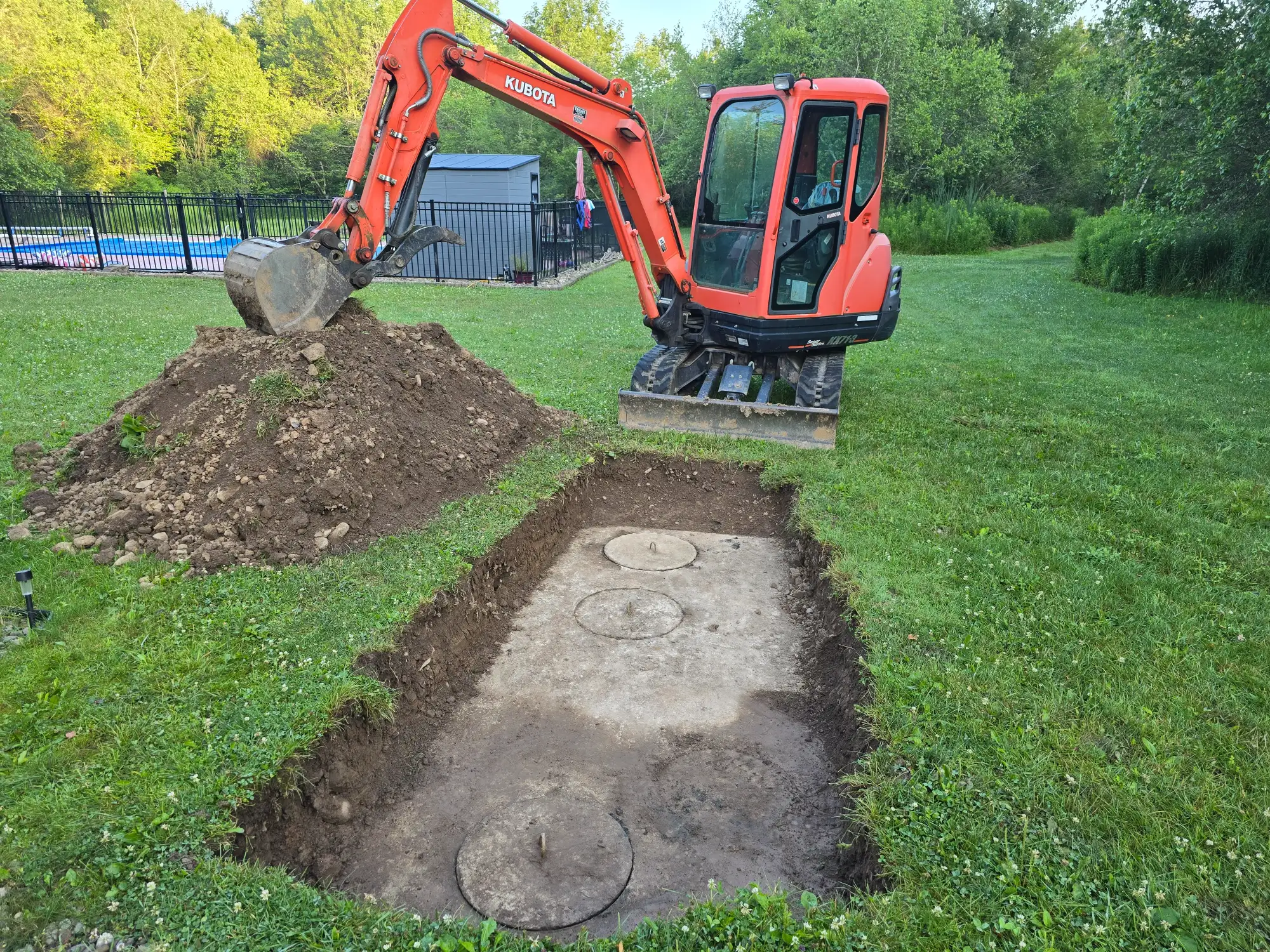
New installation, repair and replacement, leach field work, and emergency service
Underground Utilities
Water and sewer lines, HDPE pipe fusion, utility trenching, and storm drains
Commercial Maintenance
Site maintenance, snow plowing, commercial mowing, and landfill maintenance
Related Services
Concrete and asphalt removal is part of our full demolition offering, which also includes structure demolition and pool removal.
When the building comes down, the foundation, driveway, and surrounding concrete often come out too. We handle both under one scope.
After concrete or asphalt is removed, the subgrade needs grading and compaction before anything new goes on top of it.
Get in touch
Three Decades of Major Project Experience
Hale Excavation LLC is a new venture led by Eric Hale, who brings extensive experience in landfill construction, environmental remediation, road construction, and federal projects. He has worked with the U.S. Army Corps of Engineers, the U.S. Forest Service, the Air Force, and major environmental firms throughout his career.
1991
Laborer & Surveyor
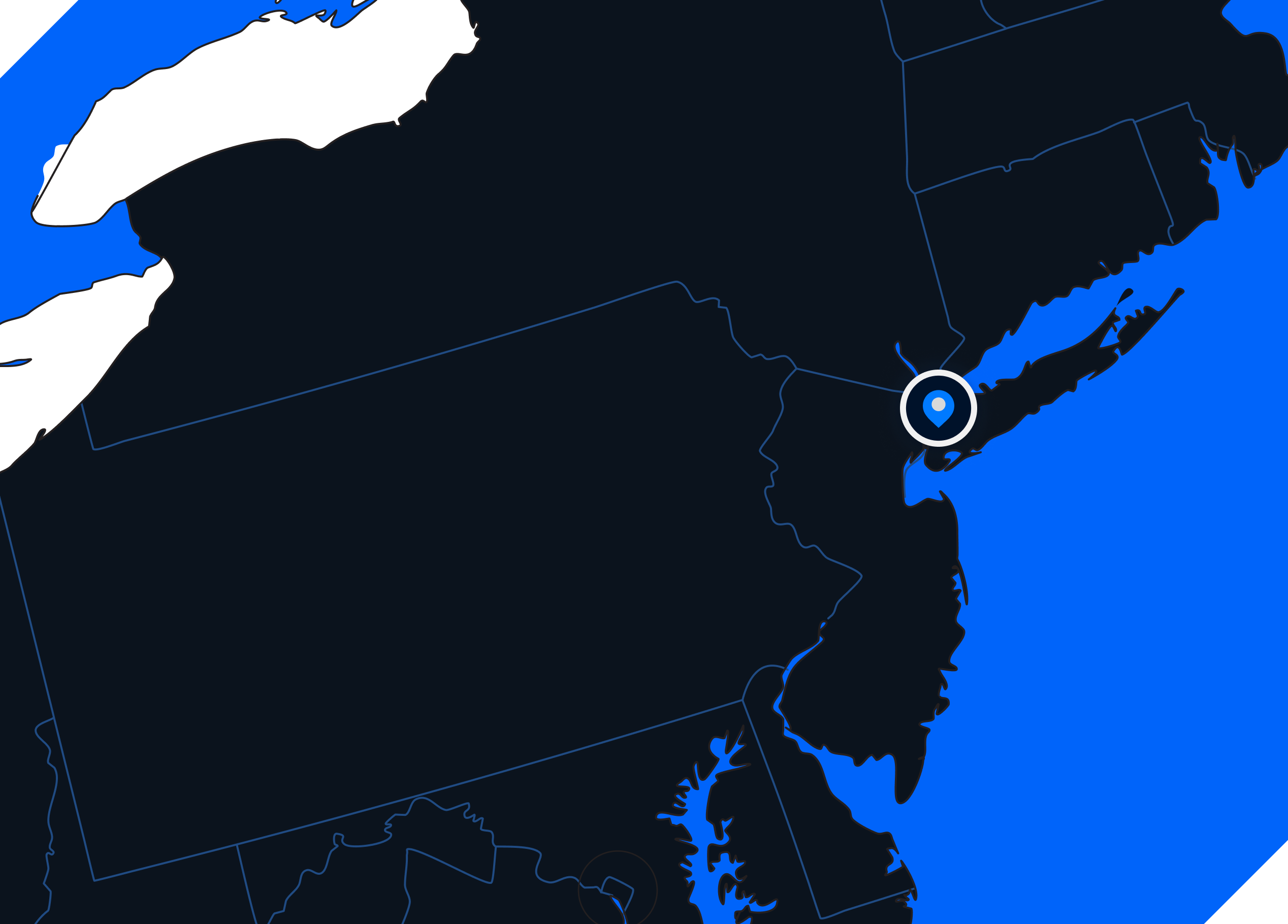
- Auburn, NY · Cayuga County
Eric returned from the Army to work full-time in construction while staying in the Army Reserves. Joined the apprenticeship program to become a certified operating engineer during this project (completed 1997, a certification he still holds).
1993
Laborer · Surveyor · Heavy Equipment Operator
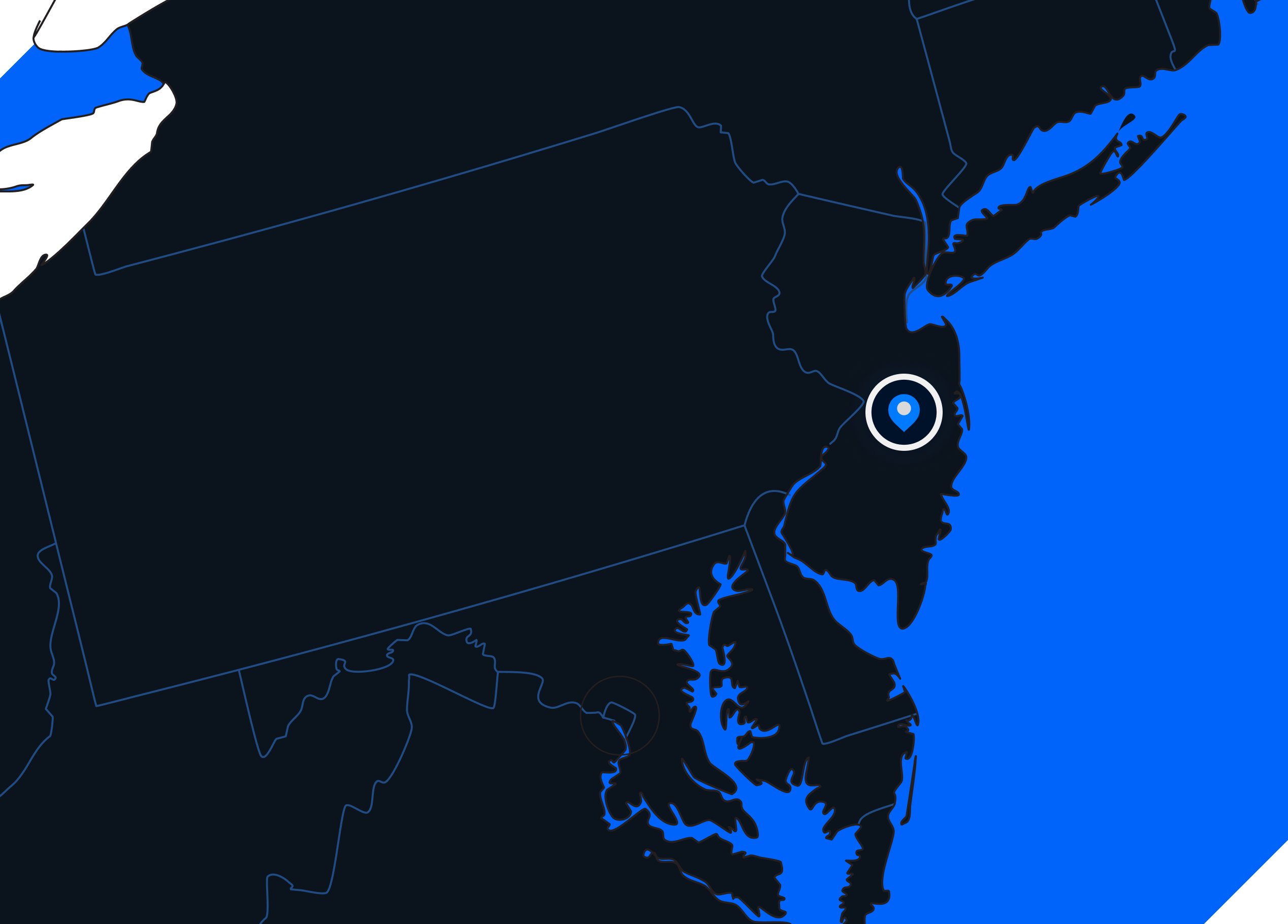
- Malone, NY · Franklin County
Eric took on expanded field responsibilities on this project, working across three trades: laborer, surveyor, and heavy equipment operator.
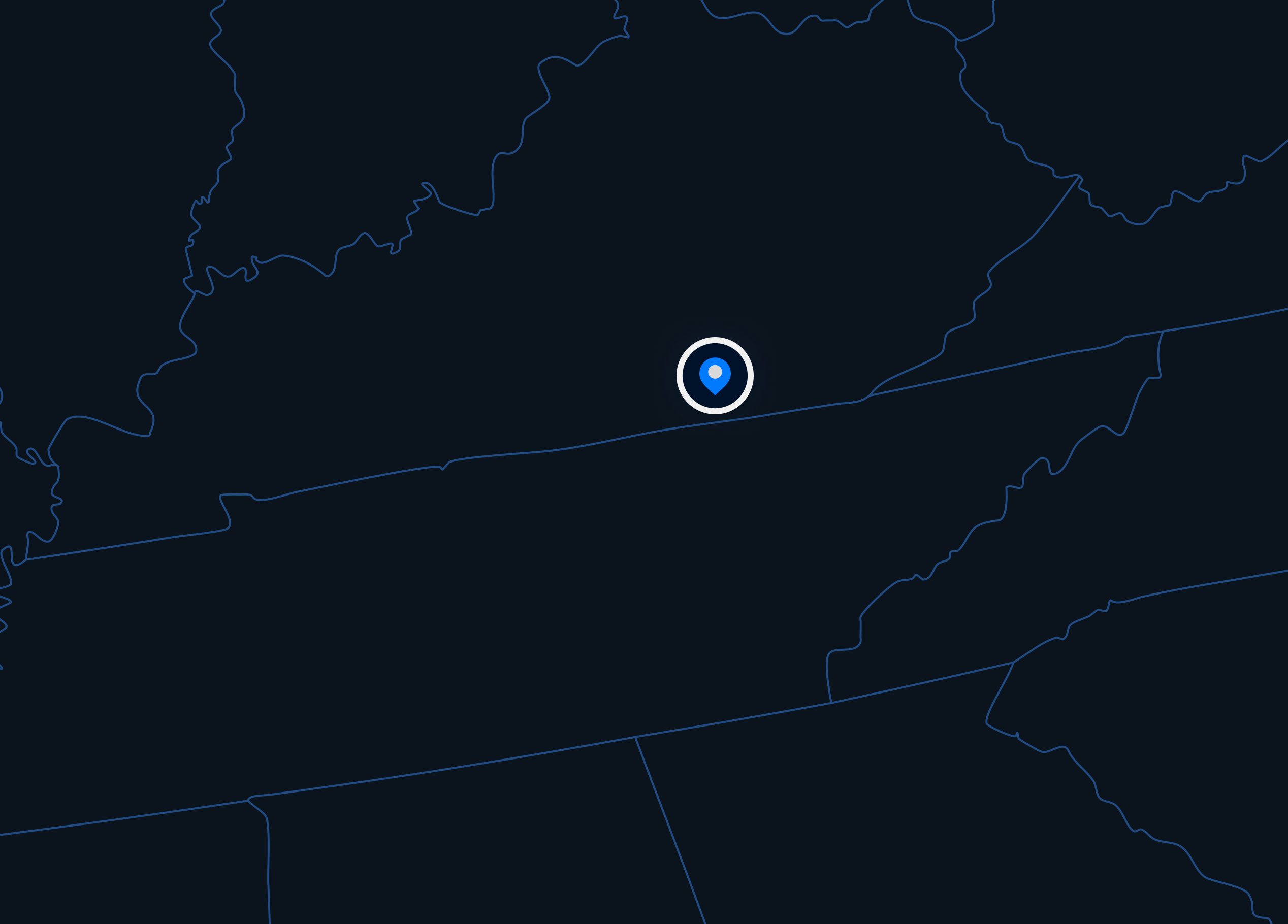
1994
Laborer · Surveyor · Heavy Equipment Operator
- Frankfort, NY · Herkimer County
Constructed leachate collection and site drainage in 1994–95. Landfill closure completed in 1996. Gas removal windmill built in 1997. Eric worked across all phases of this multi-year project.
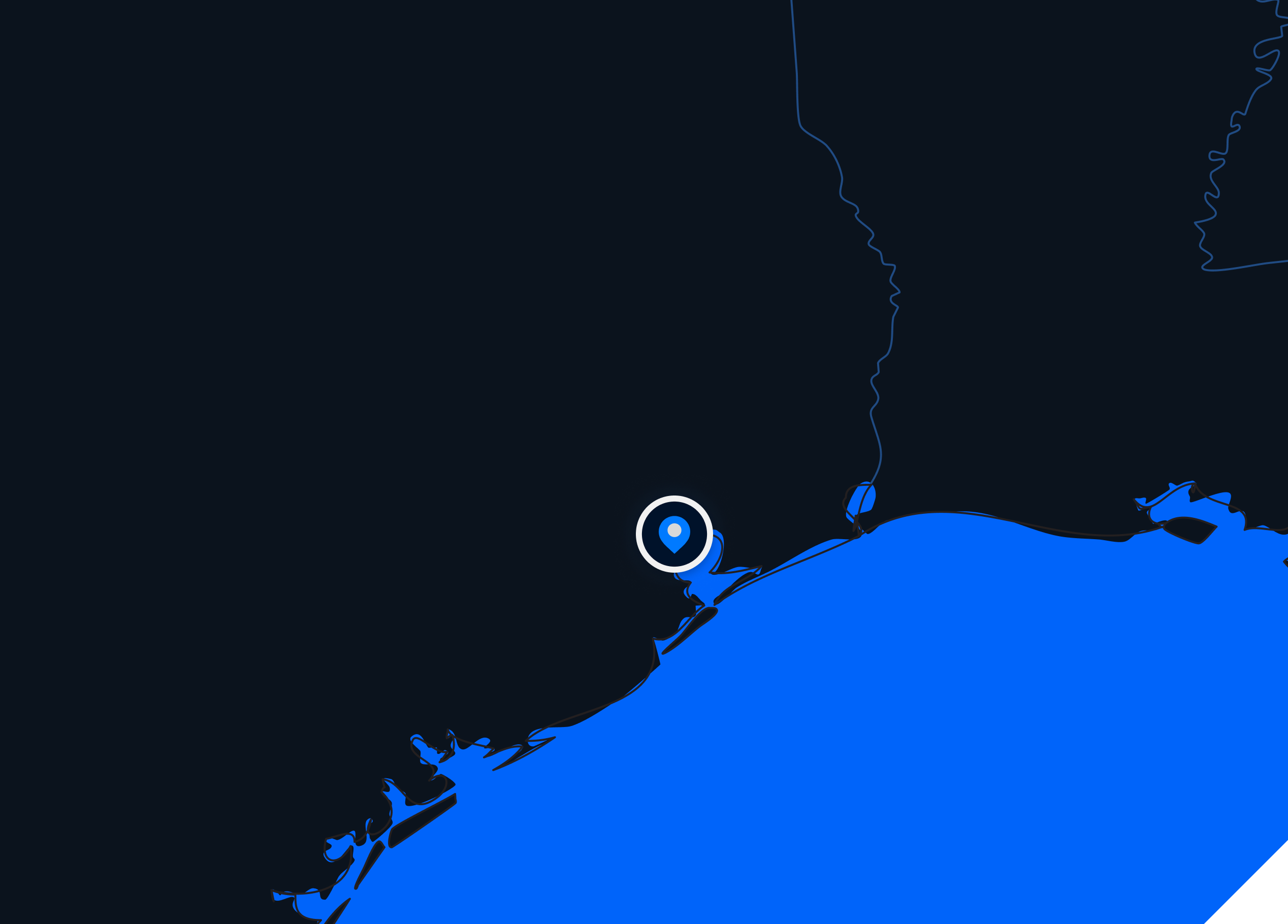
1998
Superintendent (First Time)
- Sodus, NY · Wayne County
Eric’s first job as a project superintendent — the beginning of his transition from the field to project leadership.
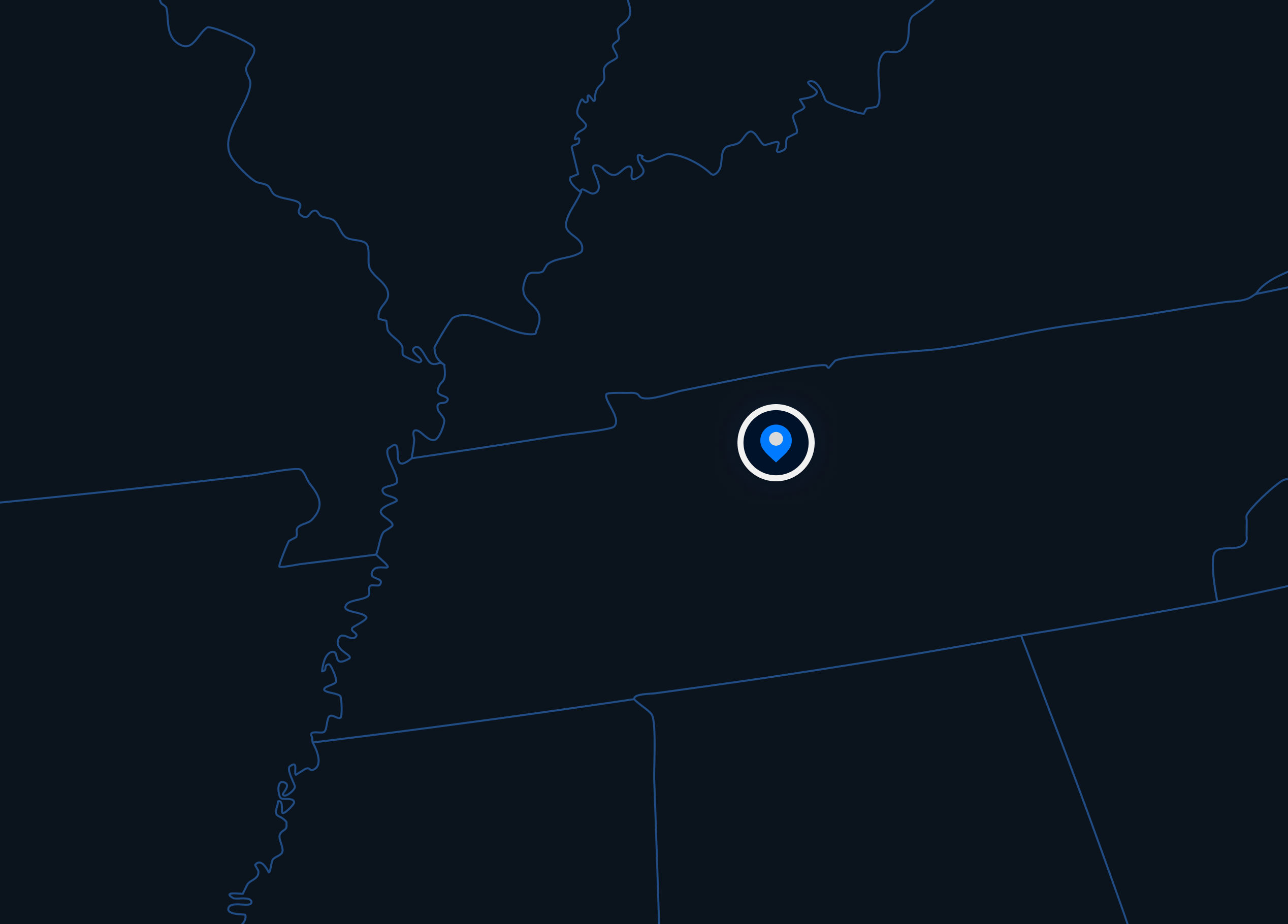
2008
Superintendent
- Wampsville, NY · Madison County
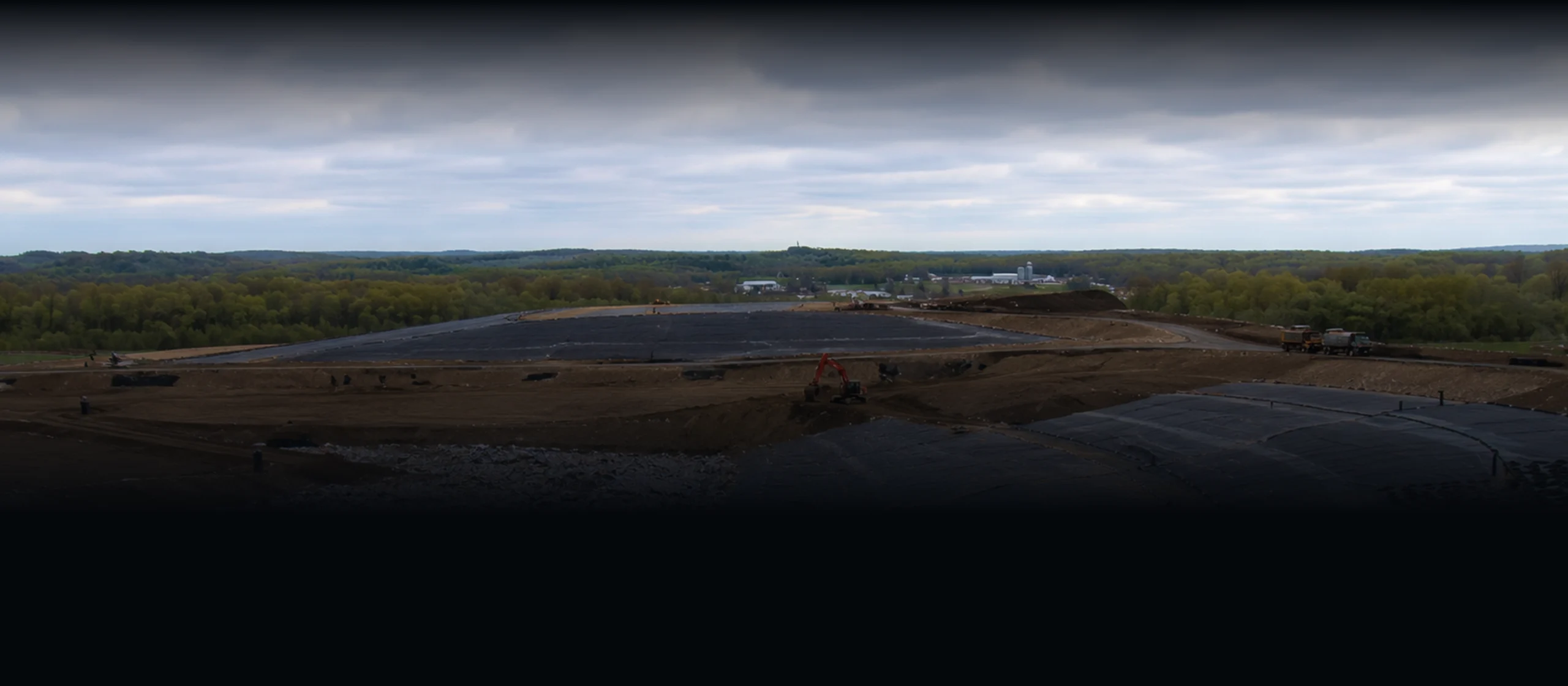
Cell 7 liner system construction on the Madison County Landfill. By this point Eric was running full field operations independently.
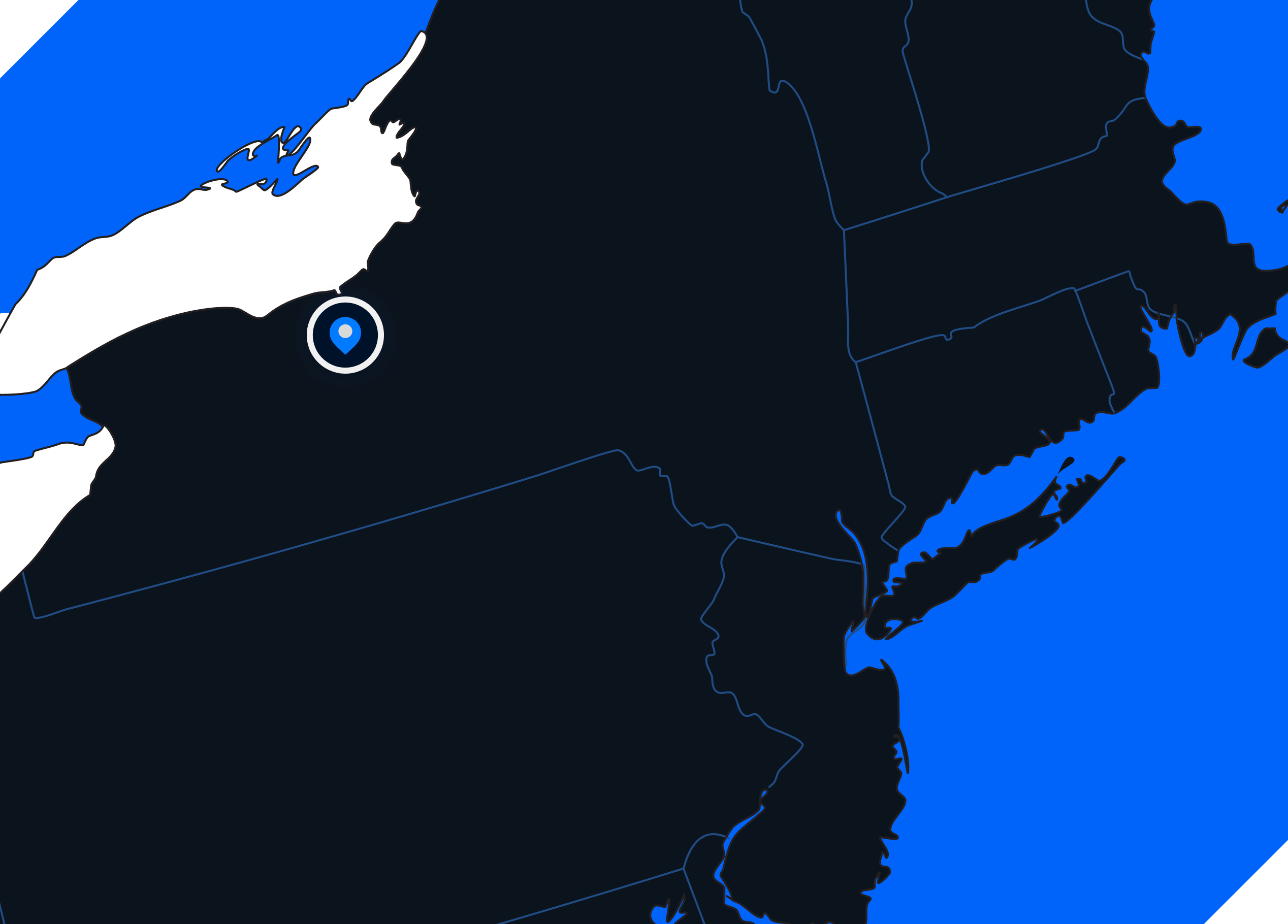
2012
Project Manager (First Time)
- Stanley, NY (Ontario County) + Morrisonville, NY (Clinton County)
Two of the largest projects Eric managed in his first year as a project manager. He worked on several other projects that year, but these were the biggest. Marks his transition from field superintendent to full project management.
2022
Senior Project Manager
- Middlesboro, KY + McGuire Air Force Base, NJ
2022 marked the first time Eric ever worked outside of New York State. He worked as senior project manager on both federal projects, plus several others that year.
2025
Founder · Owner · Director of Operations
- Sauquoit, NY · Oneida County
Eric founds Hale Excavation LLC — bringing 35 years of experience home to Central New York. From here we serve Oneida County, the Mohawk Valley, Herkimer, Madison, and surrounding counties. The scale is more personal now. The standards, work ethic, and project management discipline are exactly the same.
Projects listed above were completed under previous employers. They represent Eric Hale’s personal project resume and experience. Hale Excavation LLC was founded in November 2025.


Serving Central New York and the Mohawk Valley
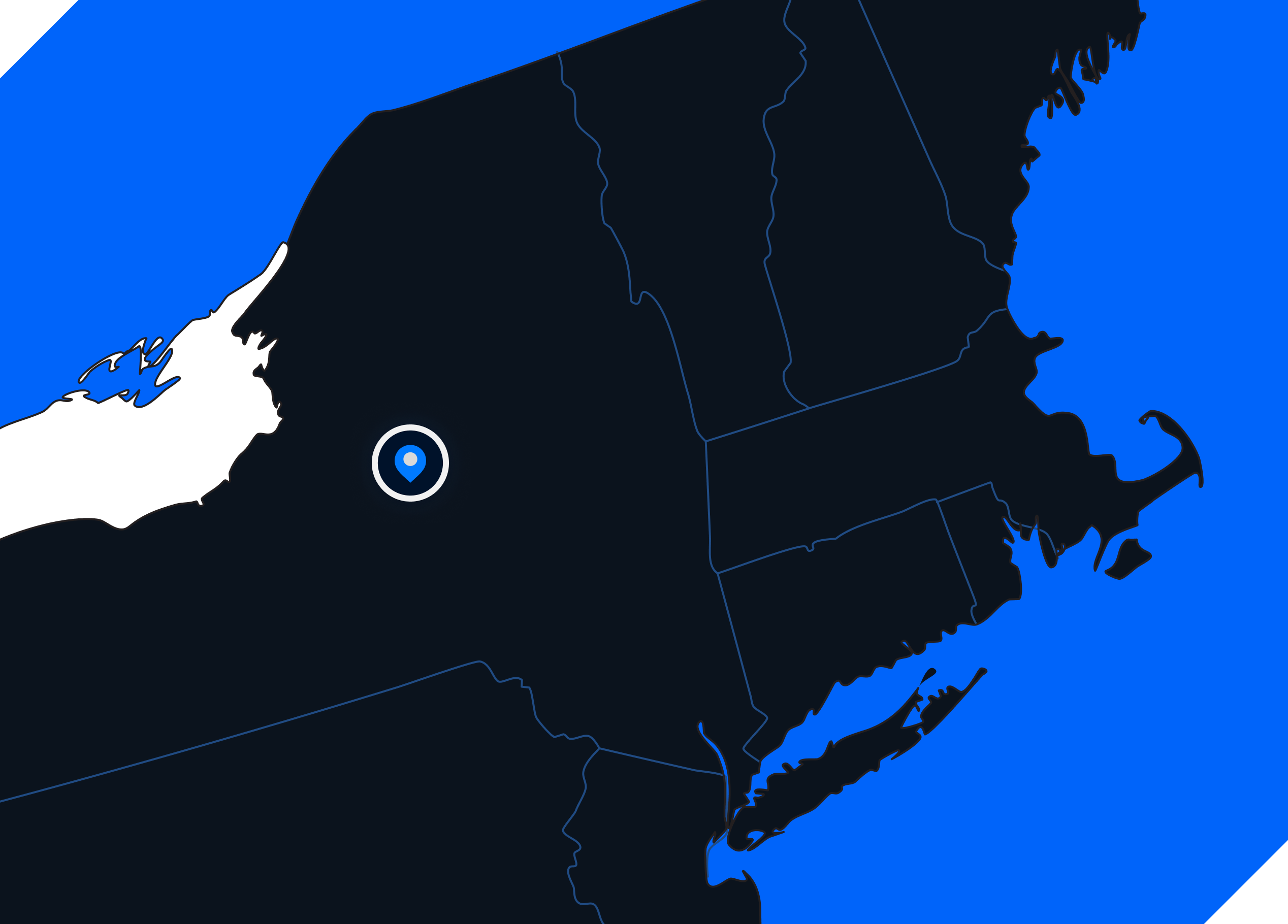
From Utica and Rome through the Mohawk Valley, north into Lewis County, west across Onondaga, south into Chenango and Cortland — we work the full Central New York region. Our home base is Sauquoit, and our standard service radius is one to two hours from Utica. For the right project, we travel further.


How much does concrete removal cost?
Cost depends on the surface area, thickness, reinforcement (rebar or wire mesh), access, and haul-off distance. A thin patio slab and a reinforced commercial foundation are very different scopes. We provide free on-site estimates.
How long does concrete or asphalt removal take?
A residential driveway removal can typically be completed in one day. Larger projects like parking lots or foundations may take 2 to 3 days. We include a timeline estimate with every quote.
Can you remove just part of a driveway or parking lot?
Yes. Partial removal is common when only a section has failed or when utility work requires access beneath a specific area. We saw-cut clean edges and remove only the section that needs to go.
Do you recycle concrete and asphalt?
Yes, when recycling facilities are available and practical. Concrete can be crushed into reusable aggregate. Asphalt can be reprocessed for paving. We transport material to recycling facilities whenever possible.
How do I get a free estimate for concrete or asphalt removal?
Call us at (315) 982-3673 or contact us online. We evaluate the surface, measure the area, and provide a written estimate covering breakout, haul-off, and subgrade grading.
Concrete & Asphalt Removal Questions