Skip to content

Culvert Installation & Replacement in Oneida County NY
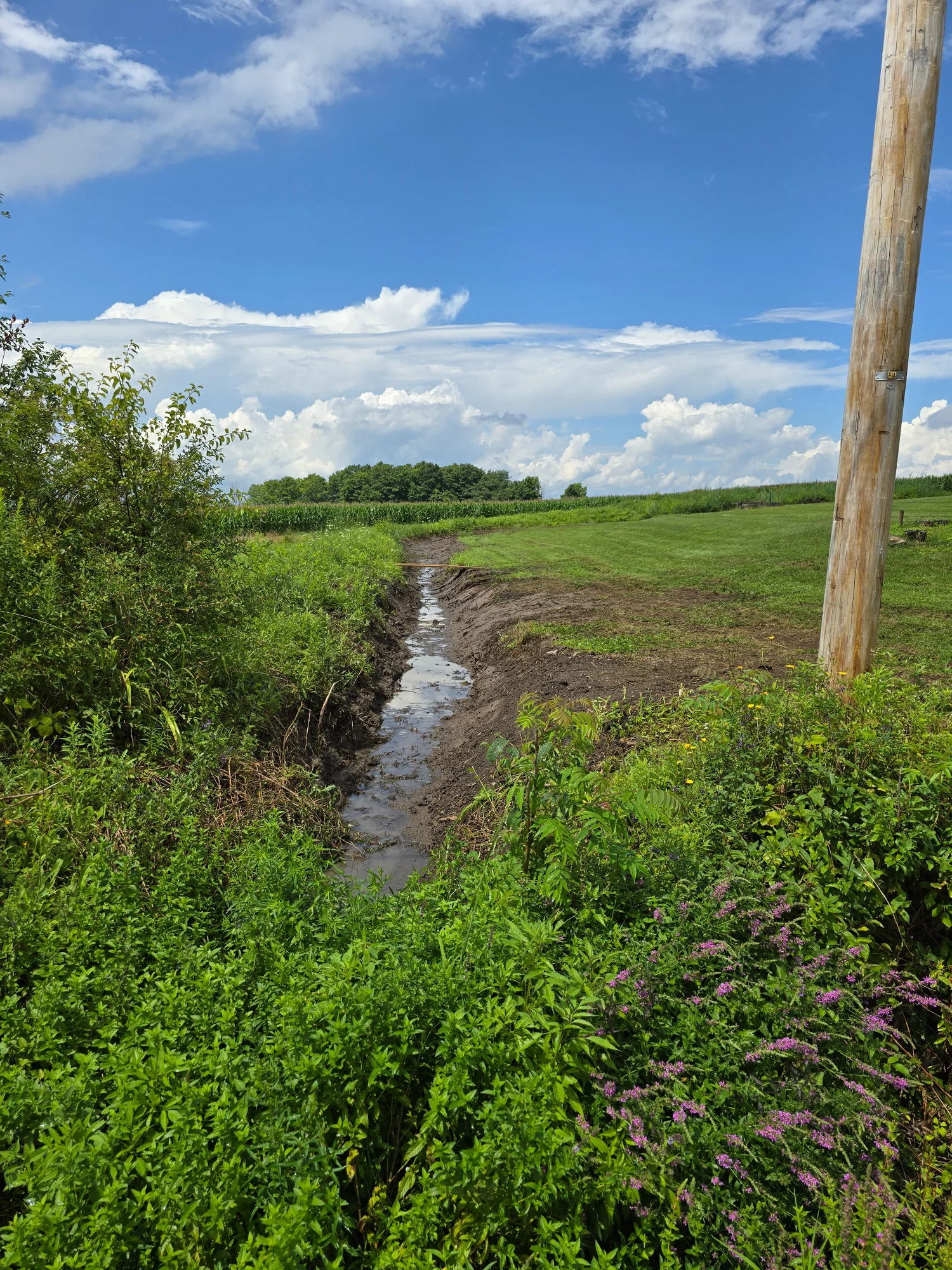
Keep the Water Under the Road, Not Over It
Culvert installation and replacement in Oneida County and Central New York. Driveway culverts, road culverts, collapsed culvert repair, and headwall construction.










Culvert Services Across Central New York
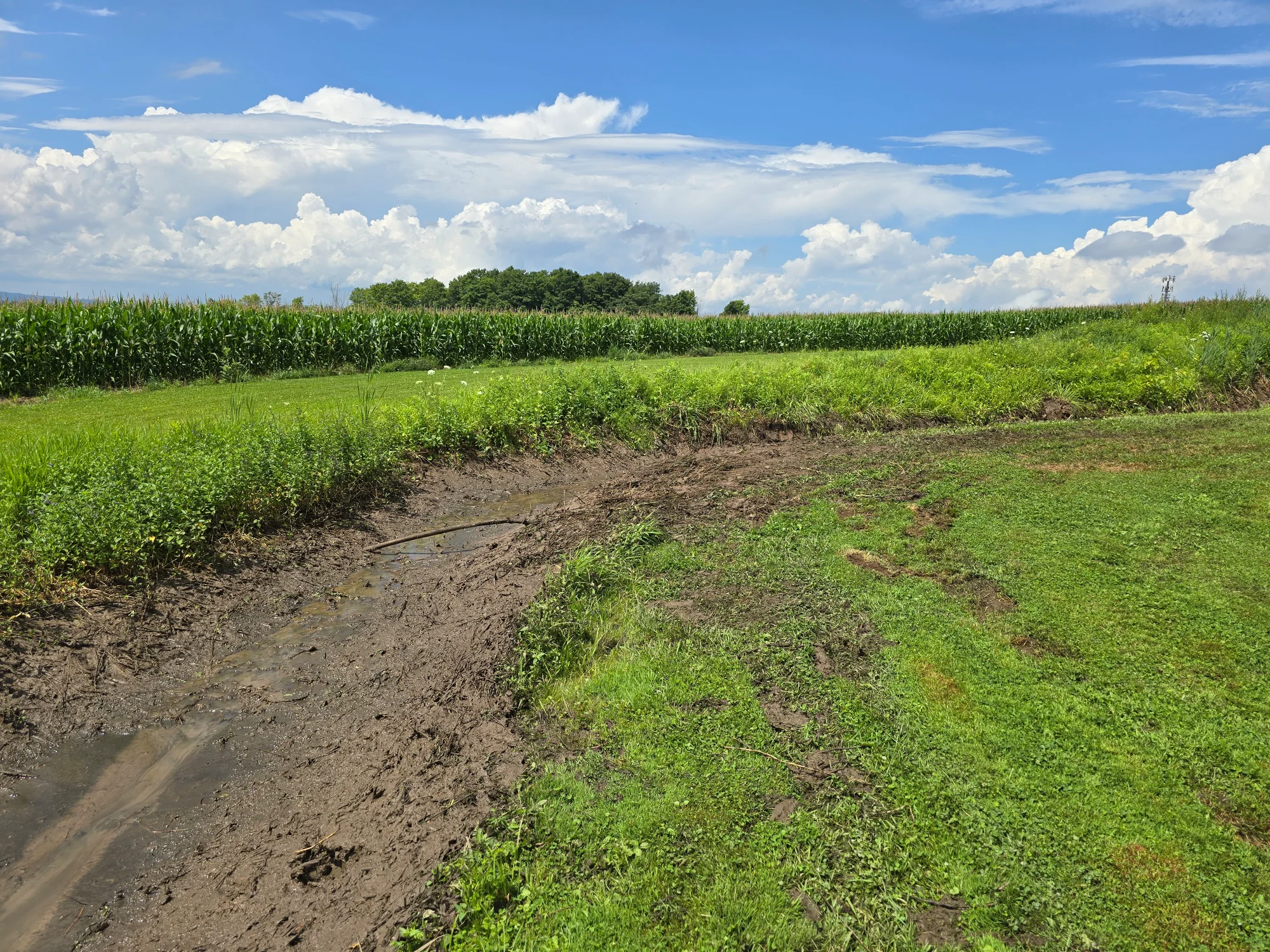
Culverts are one of the most overlooked pieces of infrastructure on rural properties, and one of the most common points of failure. In Oneida County, Herkimer County, and throughout the Mohawk Valley, nearly every residential and agricultural property that sits off a public road has at least one driveway culvert. When that culvert fails, the driveway washes out, the ditch backs up, and the property becomes difficult or impossible to access during wet weather.
Hale Excavation is a veteran-owned, licensed, and insured contractor with over 35 years of construction experience. We install and replace culverts of all sizes, from 12-inch residential driveway pipes to 36-inch and larger road crossings for commercial and municipal applications. We handle the full scope: excavation, old pipe removal, bedding, new pipe placement, headwall or end section installation, backfill, compaction, and surface restoration.
Many towns in this region have specific requirements for culvert size, material, and installation standards on driveway permits. We are familiar with these requirements and install according to local specifications. Free estimates, free second opinions, and free consultations on every culvert project.


Signs You Need Culvert Work
Water Flows Over Your Driveway Instead of Under It
If water runs across the surface of your driveway during rain or snowmelt instead of passing through the culvert underneath, the pipe is blocked, collapsed, or undersized. Every time water crosses the surface, it erodes the driveway material and weakens the road structure.
Your Driveway Culvert Has Collapsed, Rusted, or Caved In
Metal culvert pipes corrode over time, especially in Central New York, where road salt, acidic soil, and freeze-thaw cycles accelerate deterioration. A collapsed culvert creates a dip or sinkhole in the driveway and blocks water flow entirely. Replacement is the only fix.
The Ditch on Either Side of Your Driveway Is Eroding or Backing Up
A plugged or undersized culvert causes water to back up on the upstream side and erode the ditch banks. On the downstream side, water may overflow and cut new channels through the yard or roadside. The culvert needs to be cleaned, upsized, or replaced, and the ditch damage repaired.
You Are Building a New Driveway or Access Road That Crosses a Ditch
Any new driveway entrance from a public road requires a culvert where it crosses the roadside drainage ditch. Most towns require a driveway permit that specifies the culvert size and installation standards. We install the culvert to meet the town’s requirements.
The Town or Highway Department Told You to Replace Your Culvert
Municipalities periodically inspect roadside culverts and notify property owners when a culvert is failing and needs replacement. If you have received notice from the town or highway department, we can handle the replacement and bring it up to the required standard.
Types of Culvert Work We Handle
- New Driveway Culvert Installation
Installing a culvert where a new driveway crosses a roadside ditch. We excavate the ditch crossing, place bedding material, set the pipe at the correct grade and alignment, install headwalls or end sections, backfill in lifts with compaction, and restore the driveway surface. We size the pipe based on the drainage area and any town specifications on the driveway permit.
- Culvert Replacement
Removing a failed, collapsed, or undersized culvert and installing a new one. We excavate around the old pipe, pull it out, inspect the ditch grade, set the new pipe on proper bedding, and backfill to specification. If the old culvert was undersized, we would upsize to handle the actual water flow. Corrugated metal, plastic (HDPE), and concrete pipe are all available depending on the application and town requirements.
- Road & Crossover Culverts
Larger culverts for road crossings, private roads, access roads, and agricultural crossovers. These installations handle higher traffic loads and larger water volumes than residential driveway culverts. We install culverts up to 36 inches and larger, with headwalls and erosion protection at both ends. Municipal road projects often specify pipe material, size, and cover depth, and we install to those specifications.
- Culvert Erosion Repair & Headwall Installation
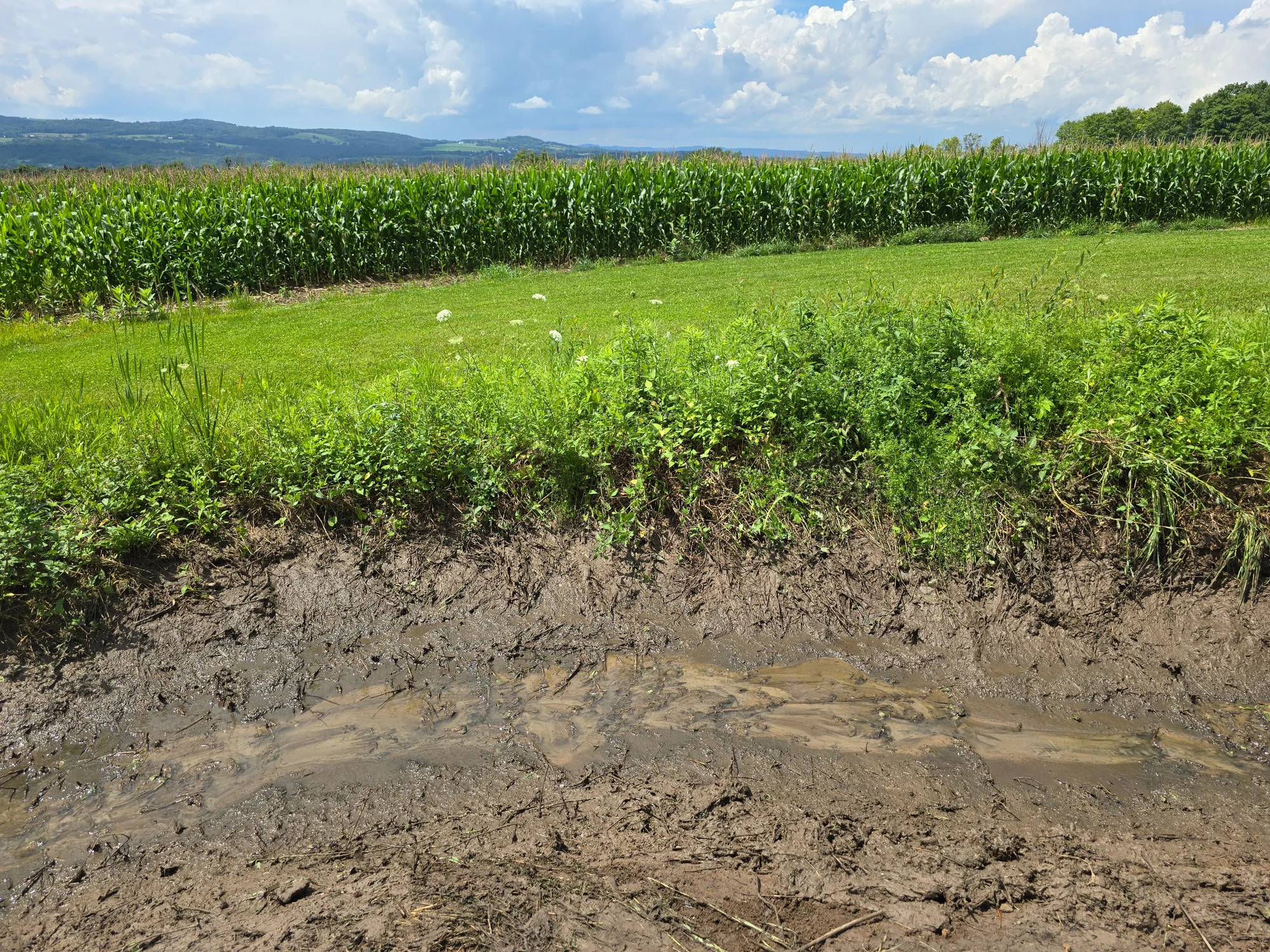
Water flowing in and out of a culvert erodes the soil around the pipe ends if they are not protected. We install headwalls (concrete, stone, or precast), end sections, and riprap to prevent erosion at the inlet and outlet. For culverts that have already washed out, we repair the erosion damage, re-bed the pipe, and install protection to prevent it from happening again.
Proper Bedding and Grade Keep the Pipe Stable
The Right Size Pipe Prevents Backup and Overflow
An undersized culvert cannot handle the water volume during heavy rain or snowmelt. Water backs up on the upstream side, floods the ditch, and overflows across the driveway. We size the pipe based on the drainage area contributing to the crossing, not a generic standard. Getting the size right the first time prevents every problem that comes from getting it wrong.
The Right Size Pipe Prevents Backup and Overflow
A culvert set on bare dirt without bedding will settle unevenly and create low spots where sediment collects. A culvert without the correct slope will hold water instead of passing it through. We place bedding material, set the pipe at the correct grade, and compact the backfill in lifts so the pipe stays in position for decades.
Headwalls and Riprap Prevent Washout
The inlet and outlet of a culvert are the most vulnerable points. Water velocity increases as it enters and exits the pipe,
which scours the surrounding soil and undermines the pipe ends. Headwalls, end sections, and riprap absorb that energy and keep the soil in place. Without them, the culvert will eventually wash out.
It Meets Town Requirements for Driveway Permits
Most towns in Oneida County and surrounding
areas have specific culvert requirements for new driveway permits: minimum pipe size, material type, cover depth, and headwall specifications. We adhere to the requirements specified on your permit, so there are no issues with the town inspection.

What Culvert Installation Includes
The scope depends on whether the installation is new or a replacement, but a typical culvert project includes:
Excavation: Digging out the ditch crossing to the required depth and width. For replacements, this includes removing the old pipe and any failed backfill material. Bedding: Placing a layer of clean stone or gravel at the bottom of the excavation to support the pipe and prevent settling. The bedding is graded to the correct slope. Pipe placement: Setting the culvert pipe on the bedding at the correct alignment, grade, and depth of cover. Pipe is positioned so water flows through it by gravity with no low spots or reverse grade.
Headwall and end section installation: Setting concrete headwalls, metal end sections, or stone wingwalls at the inlet and outlet to prevent erosion and anchor the pipe in place. Backfill and compaction: Filling around and over the pipe in lifts, compacting each lift to prevent settling. The cover depth over the pipe must be sufficient for the expected traffic load.
Surface restoration: Restoring the driveway surface with gravel, crushed stone, or other specified material. Grading the ditch on both sides of the culvert for proper water flow. Erosion protection: Installing riprap, stone, or other protection at the inlet and outlet to prevent scour.
Excavation and Site Work Across Every Job Type
Seven service types covering every excavation need — residential, commercial, municipal, and industrial. If it involves moving earth, managing water, or building infrastructure, Hale handles it.
Site Preparation
Land clearing, building pad prep, topsoil work, subgrade, and final cleanup


Grading
Rough and finish grading, lot leveling, slope correction, drainage grading, and retaining walls

Drainage Solutions
French drains, catch basins, culverts, dry wells, and stormwater management
Septic Systems
New installation, repair and replacement, leach field work, and emergency service
Underground Utilities
Water and sewer lines, HDPE pipe fusion, utility trenching, and storm drains
Commercial Maintenance
Site maintenance, snow plowing, commercial mowing, and landfill maintenance
Related Services
Culverts are part of our full drainage service offering. We also install catch basins, French drains, stormwater systems, and property drainage solutions.
Culverts are integral to road construction. Every road crossing a drainage ditch or low point needs a culvert, and we install them as part of the road build.
Ditch grading and surface restoration around culverts are part of every culvert installation. We handle the grading as part of the complete project.
Get in touch
Three Decades of Major Project Experience
Hale Excavation LLC is a new venture led by Eric Hale, who brings extensive experience in landfill construction, environmental remediation, road construction, and federal projects. He has worked with the U.S. Army Corps of Engineers, the U.S. Forest Service, the Air Force, and major environmental firms throughout his career.
1991
Laborer & Surveyor
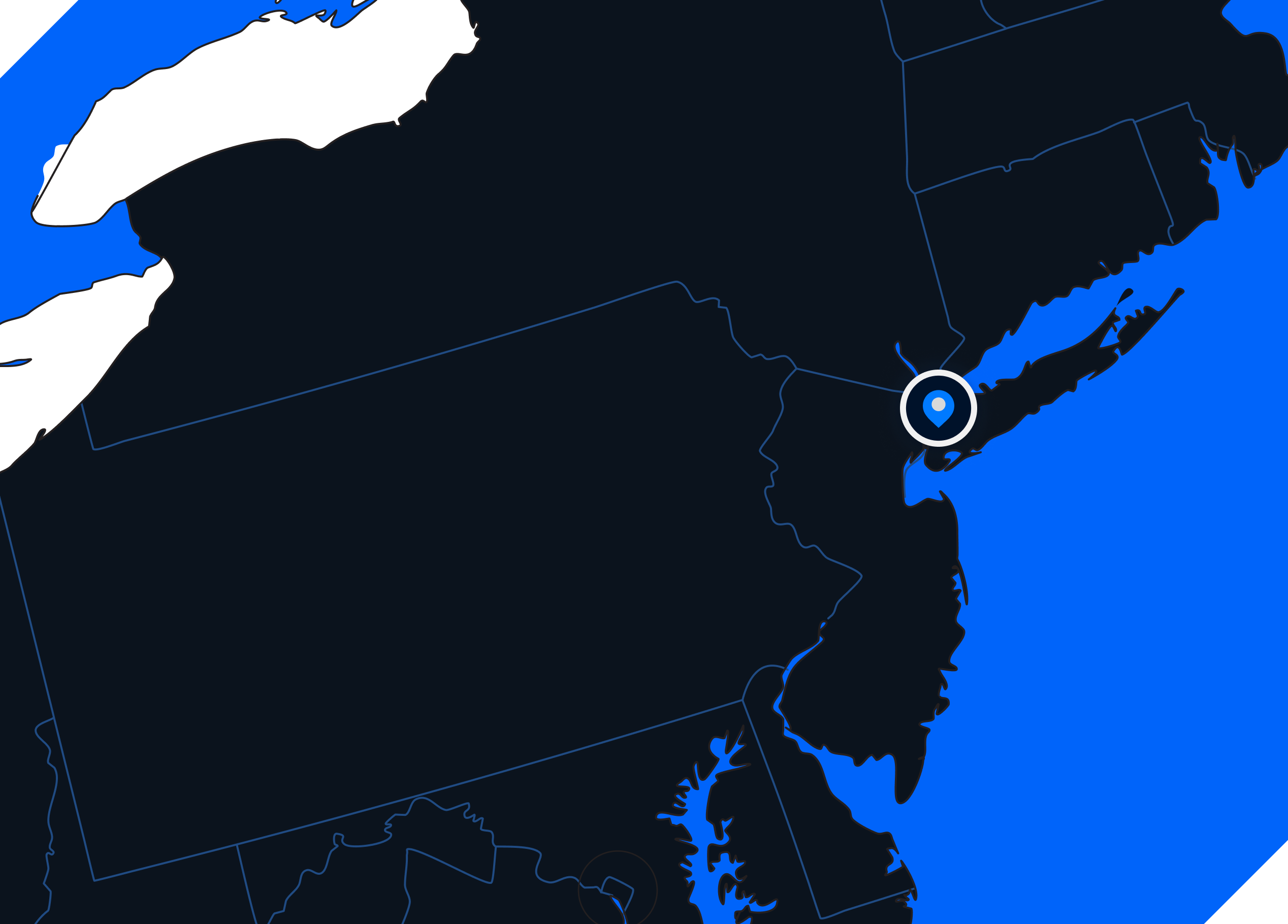
- Auburn, NY · Cayuga County
Eric returned from the Army to work full-time in construction while staying in the Army Reserves. Joined the apprenticeship program to become a certified operating engineer during this project (completed 1997, a certification he still holds).
1993
Laborer · Surveyor · Heavy Equipment Operator
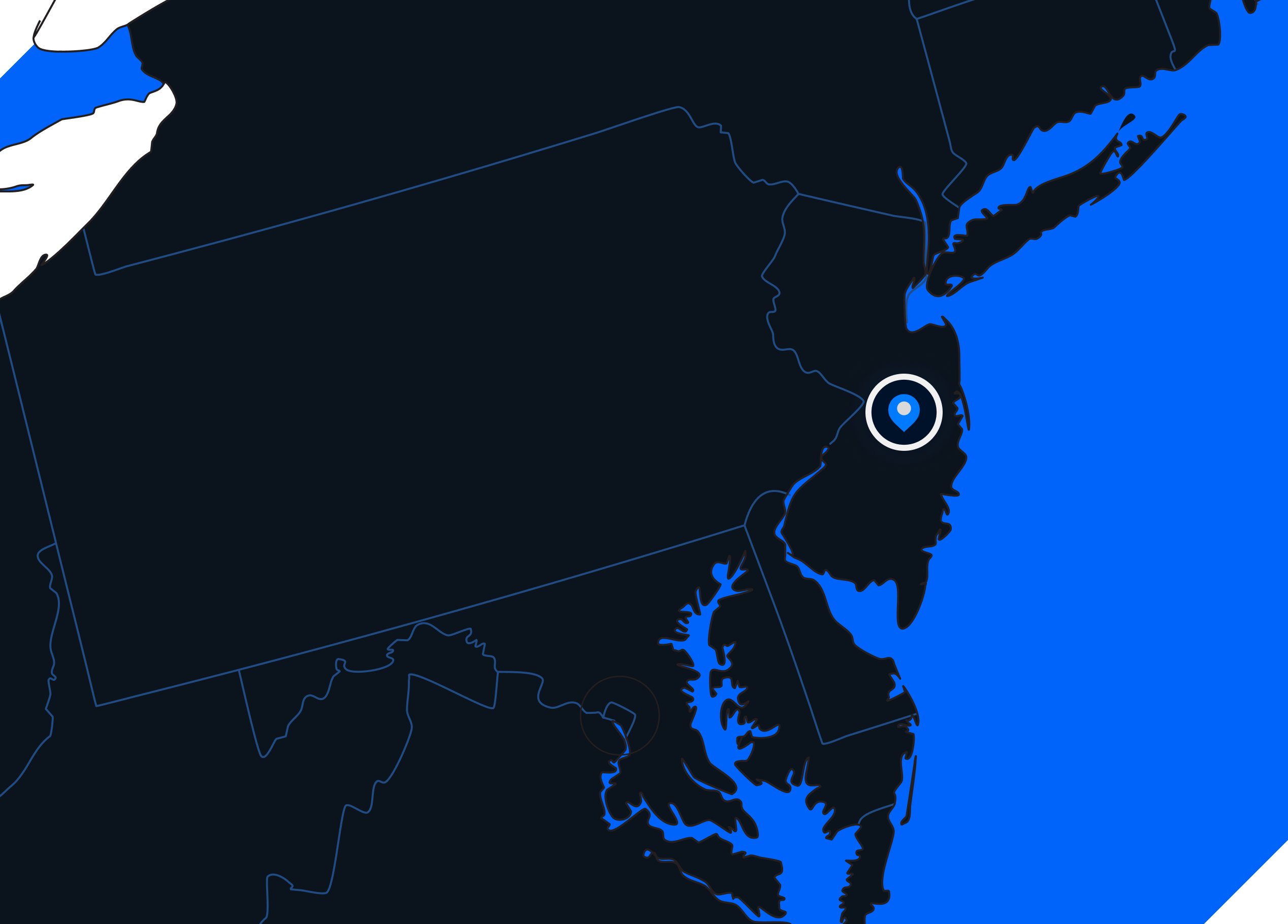
- Malone, NY · Franklin County
Eric took on expanded field responsibilities on this project, working across three trades: laborer, surveyor, and heavy equipment operator.
1994
Laborer · Surveyor · Heavy Equipment Operator
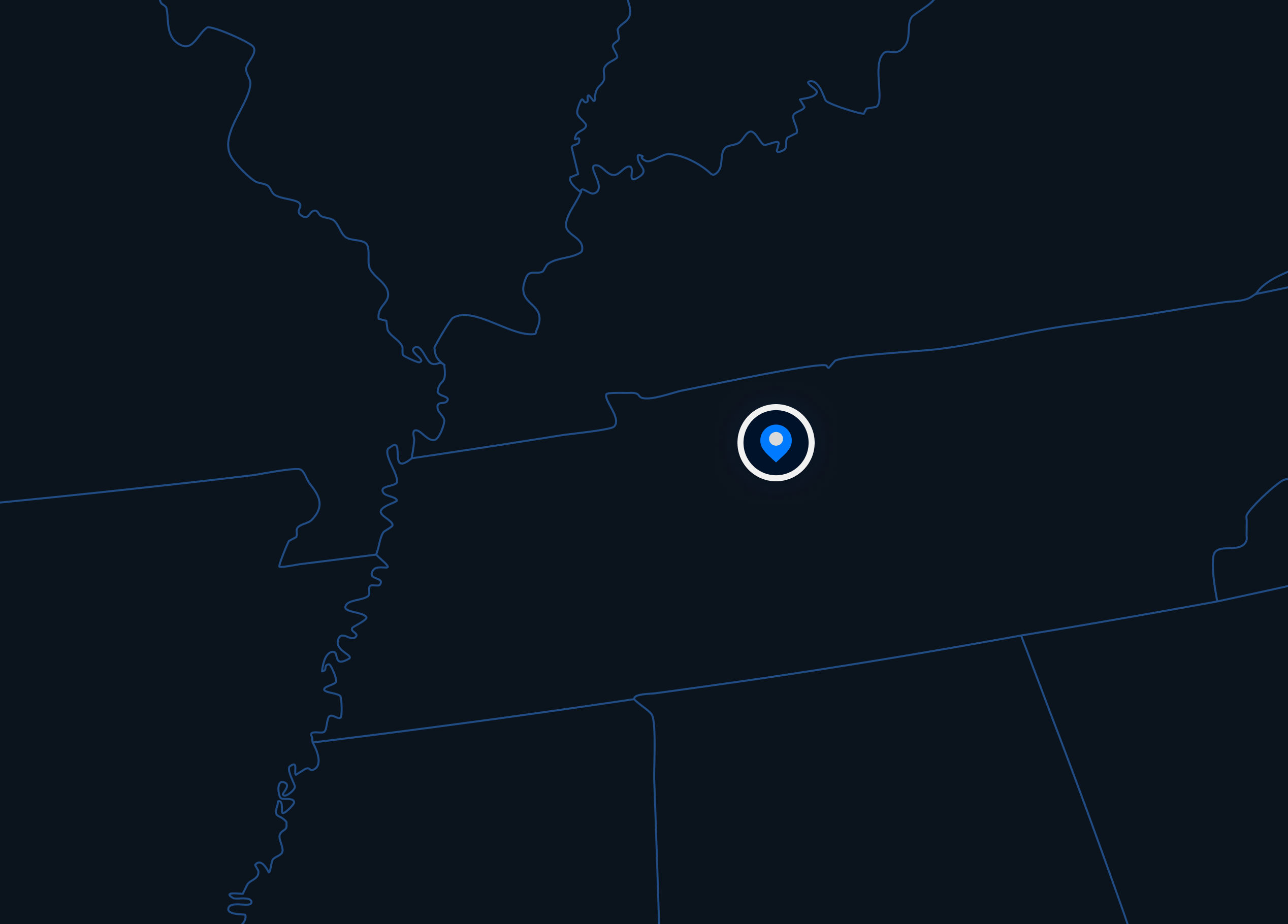
- Frankfort, NY · Herkimer County
Constructed leachate collection and site drainage in 1994–95. Landfill closure completed in 1996. Gas removal windmill built in 1997. Eric worked across all phases of this multi-year project.
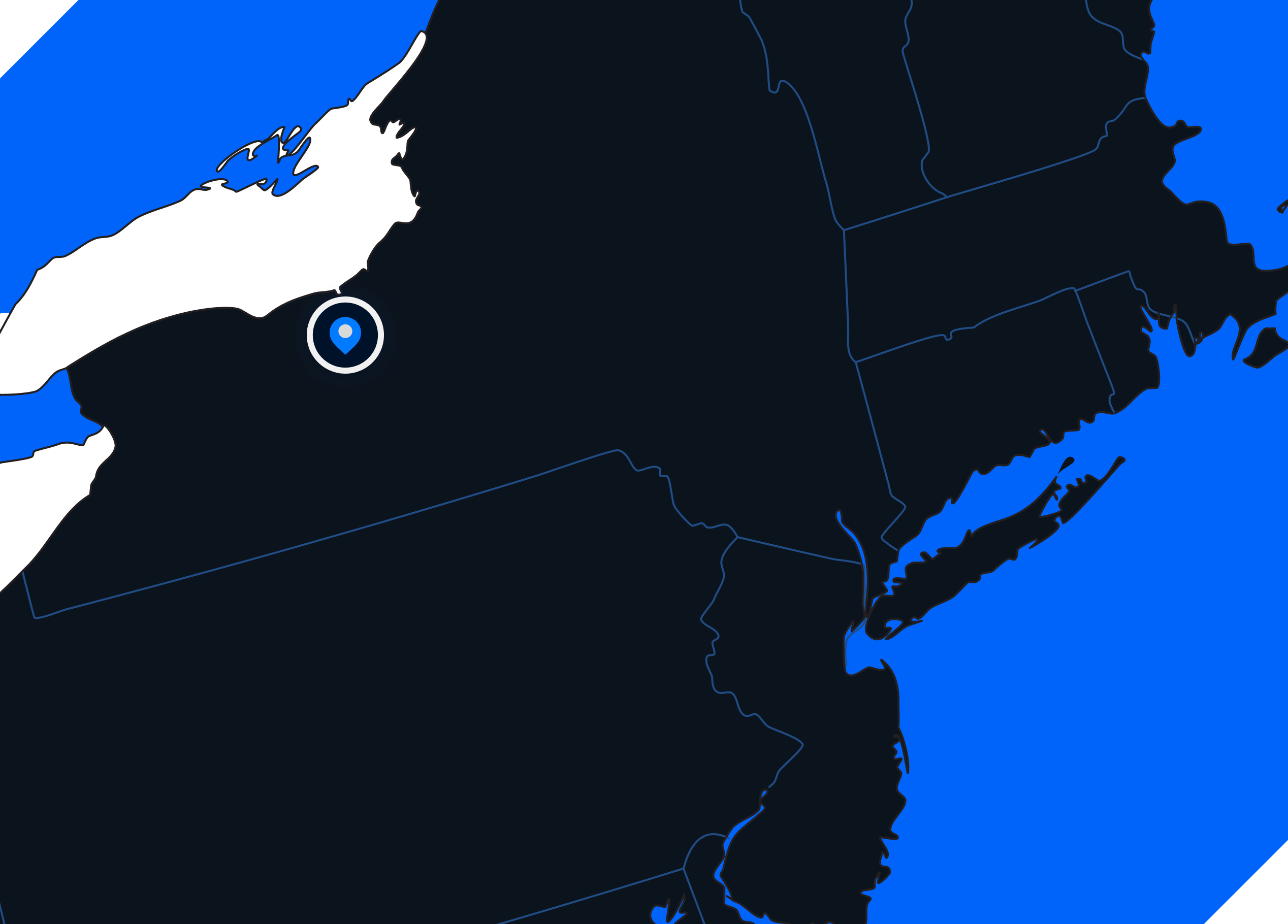
1998
Superintendent (First Time)
- Sodus, NY · Wayne County
Eric’s first job as a project superintendent — the beginning of his transition from the field to project leadership.
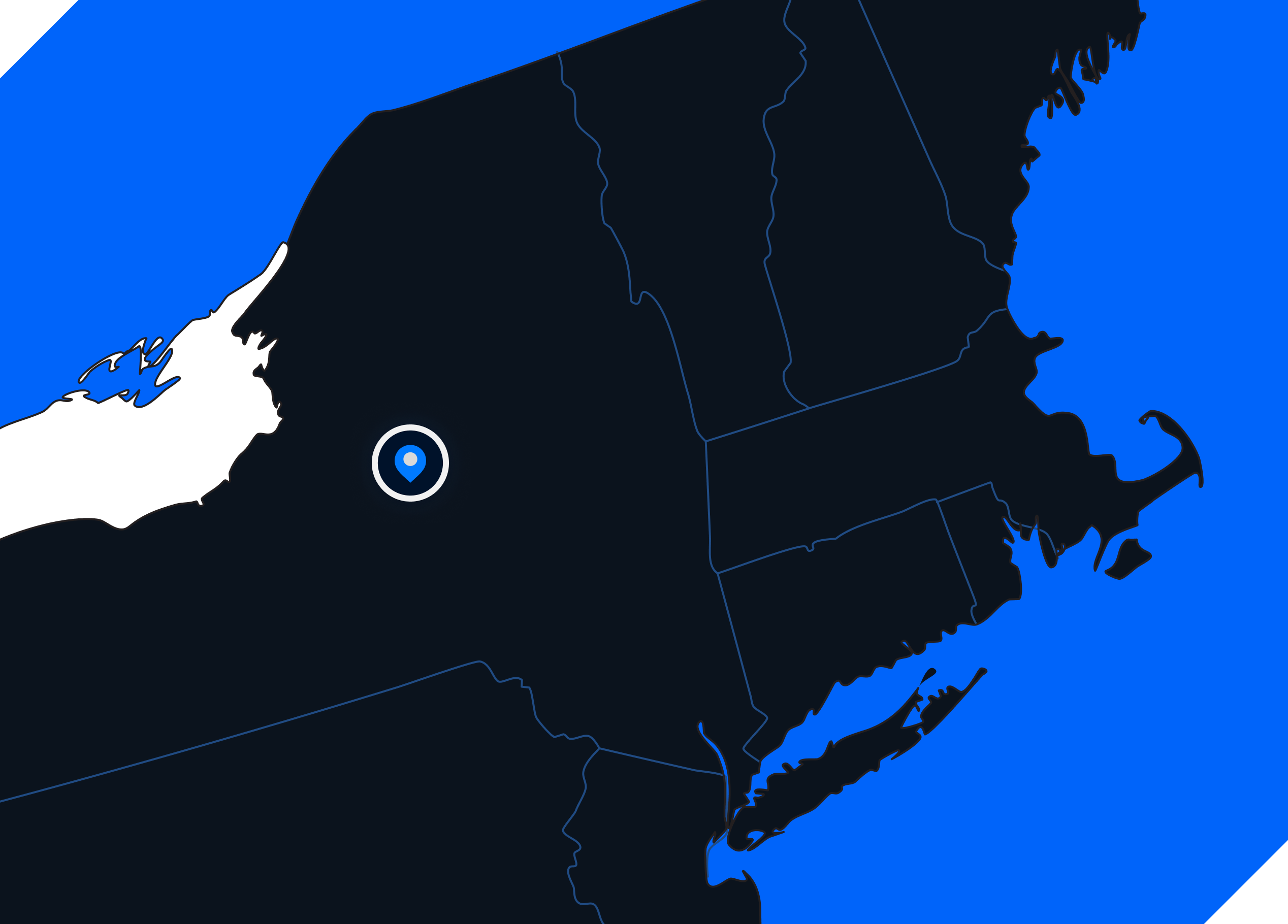
2008
Superintendent
- Wampsville, NY · Madison County
Cell 7 liner system construction on the Madison County Landfill. By this point Eric was running full field operations independently.
2012
Project Manager (First Time)
- Stanley, NY (Ontario County) + Morrisonville, NY (Clinton County)
Two of the largest projects Eric managed in his first year as a project manager. He worked on several other projects that year, but these were the biggest. Marks his transition from field superintendent to full project management.
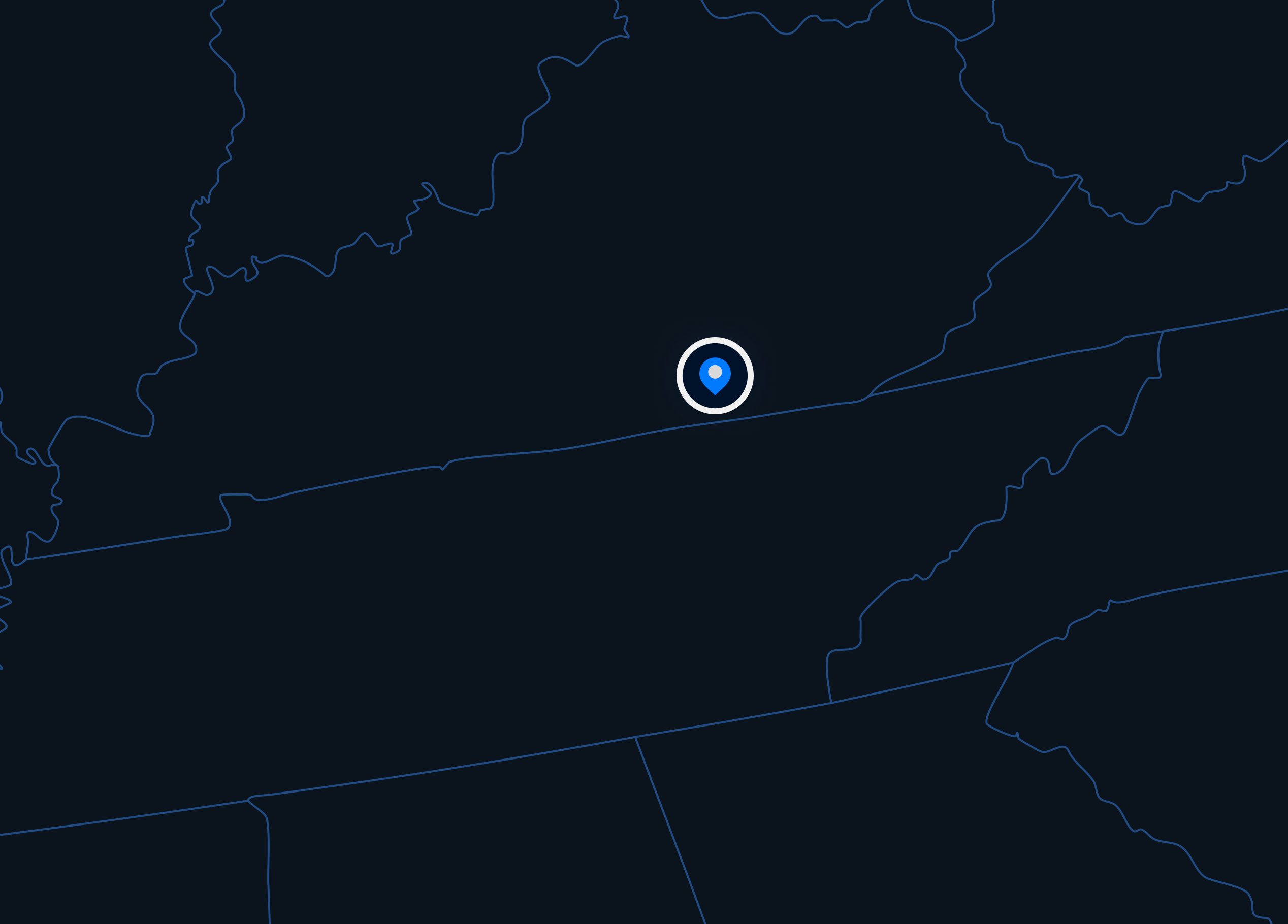
2022
Senior Project Manager
- Middlesboro, KY + McGuire Air Force Base, NJ
2022 marked the first time Eric ever worked outside of New York State. He worked as senior project manager on both federal projects, plus several others that year.
2025
Founder · Owner · Director of Operations
- Sauquoit, NY · Oneida County
Eric founds Hale Excavation LLC — bringing 35 years of experience home to Central New York. From here we serve Oneida County, the Mohawk Valley, Herkimer, Madison, and surrounding counties. The scale is more personal now. The standards, work ethic, and project management discipline are exactly the same.
Projects listed above were completed under previous employers. They represent Eric Hale’s personal project resume and experience. Hale Excavation LLC was founded in November 2025.


Serving Central New York and the Mohawk Valley
From Utica and Rome through the Mohawk Valley, north into Lewis County, west across Onondaga, south into Chenango and Cortland — we work the full Central New York region. Our home base is Sauquoit, and our standard service radius is one to two hours from Utica. For the right project, we travel further.


How much does culvert installation cost?
Cost depends on pipe size, length, material, depth, headwall type, and surface restoration requirements. A standard 15-inch residential driveway culvert and a 36-inch road crossing are very different scopes. We provide free on-site estimates.
What size culvert do I need?
Culvert size is determined by the drainage area contributing to the crossing and the expected water flow during peak events. Many towns specify a minimum size on driveway permits. We evaluate the site and recommend the correct size, or install it to the size specified by the town.
Do I need a permit to install or replace a culvert?
New driveway culverts typically require a driveway permit from the town or highway department. Replacement of an existing culvert may or may not require a permit, depending on the municipality. We help identify what is needed and coordinate with the local highway department.
How long does culvert replacement take?
A standard residential driveway culvert replacement can usually be completed in one day. Larger road crossings or culverts with significant erosion repair may take 2 to 3 days. We provide a timeline estimate with every quote.
How do I get a free estimate for culvert work?
Call us at (315) 982-3673 or contact us online. We evaluate the crossing, assess the pipe condition and drainage, and provide a written estimate covering excavation, pipe, headwalls, backfill, and surface restoration.
Culvert Installation Questions