Skip to content

Catch Basin & Yard Drain Installation in Oneida County NY
Collect It at the Surface. Move It Underground.
Catch basin and yard drain installation in Oneida County and Central New York. Standing water, downspout drainage, trench drains, and dry wells.











Catch Basin & Yard Drain Services Across Central New York
Surface drainage is different from subsurface drainage. A French drain intercepts groundwater moving through the soil. A catch basin collects water that is sitting on top of the ground: puddles in the yard, runoff from a hill, water pooling at the end of a driveway, or roof water pouring out of a downspout and flowing toward the foundation. Both types of drainage solve water problems, but they work differently and are used for different conditions.
Hale Excavation is a veteran-owned, licensed, and insured drainage contractor with over 35 years of construction experience. We install catch basins, yard drains, trench drains, dry wells, and downspout drain lines using excavation equipment that allows us to trench, set structures, and lay pipe efficiently with minimal disruption to your property.
We serve homeowners, builders, property managers, and municipalities throughout Oneida County, Herkimer County, Madison County, and surrounding communities. Central New York gets enough rain, snowmelt, and freeze-thaw cycles to overwhelm any yard that does not have a way to move surface water off the property. Free estimates, free second opinions, and free consultations on every project.


Signs You Need a Catch Basin or Yard Drain
Water Pools in Your Yard After Every Rain
If the same low spots in your yard hold water for hours or days after rain, the surface grade is directing water to a collection point that has no outlet. A catch basin installed in the low spot collects the water and routes it through an underground pipe to a discharge point where it can drain safely.
Downspouts Dump Water Against Your Foundation
Gutter downspouts that discharge at the base of your foundation send thousands of gallons of roof water directly against the wall each year. Underground downspout drain lines carry that water away from the foundation to a pop-up emitter, dry well, or other outlet at least 10 feet from the structure.
Water Runs Across Your Driveway or Pools at the Garage Door
Driveways that slope toward the garage or collect runoff from the yard need a trench drain or channel drain across the problem area. The drain intercepts the water at the surface and channels it underground to a discharge point before it enters the garage or erodes the driveway edge.
Your Commercial Parking Lot Has Standing Water or Ice Buildup
Standing water in a commercial parking lot creates slip hazards, accelerates pavement deterioration, and creates liability. Catch basins and area drains collect surface water and route it to the storm drain system. Parking lot drainage is both a safety issue and a maintenance issue.
Your Existing Catch Basin Is Clogged, Collapsed, or Overflowing
Catch basins fill with sediment, leaves, and debris over time. If your existing basin overflows during rain instead of draining, it needs to be cleaned, repaired, or replaced. We excavate failed basins, install new structures, and reconnect or reroute the discharge pipe.
Types of Surface Drainage We Install
- Catch Basins & Area Drains
Precast or plastic catch basin structures installed at low points in the yard, parking area, or landscape. Water flows into the basin through a grated top, is collected in the sump below, and exits through a solid pipe that carries it to the discharge point. We size the basin and pipe to handle the expected water volume for your property.
- Downspout Drain Lines
Underground piping that connects to your gutter downspouts and carries roof water away from the foundation. The line runs underground from the downspout to a pop-up emitter, dry well, or storm connection at least 10 feet from the building. This is one of the simplest and most effective ways to protect a foundation from water damage.
- Trench Drains & Channel Drains
Linear drains installed across driveways, garage aprons, walkways, and commercial entrances. A narrow channel with a grated cover collects water across the full width of the surface and routes it to a discharge pipe. Trench drains are the standard solution for water running across a driveway or into a garage.
- Dry Wells
Underground infiltration chambers that receive water from catch basins, downspout lines, or other drain pipes and allow it to percolate slowly into the surrounding soil. Dry wells are used when there is no gravity outlet (no lower ground to daylight the pipe) or when the property needs to manage stormwater on-site. We excavate the pit, set the chamber, wrap it in filter fabric and stone, and connect the inlet pipe.
Why Professional Catch Basin Installation Matters
It Handles the Actual Water Volume
An undersized catch basin or pipe will overflow during heavy rain, which defeats the purpose. We size the basin, pipe diameter, and discharge capacity based on the area being drained and the expected rainfall intensity. A 4-inch pipe might work for one downspout, but a low spot collecting runoff from a half-acre yard needs a larger system.
The Pipe Has to Move the Water, Not Hold It
Underground drain pipe needs consistent slope toward the discharge point. Flat spots, dips, or reverse grades trap water and sediment in the pipe, which leads to backups and eventual failure. We grade every pipe run with laser equipment to maintain positive flow from inlet to outlet.
The Water Has to Leave the Property Correctly
Collected water needs to go somewhere: a pop-up emitter at the edge of the yard, a daylight outlet at a lower elevation, a dry well for on-site infiltration, or a connection to the municipal storm system. We plan the discharge as part of the installation so the water leaves your property without creating problems for your neighbors.
It Works for Decades Without Constant Maintenance
A properly installed catch basin with the right pipe, slope, and discharge will function for 20 years or more with only occasional cleaning. A system installed with an undersized pipe, no slope, or an inadequate outlet will clog and fail within a few years. We build it to last from the start.
What Catch Basin Installation Includes
The scope depends on the number of drains and the property layout, but a typical catch basin installation includes:
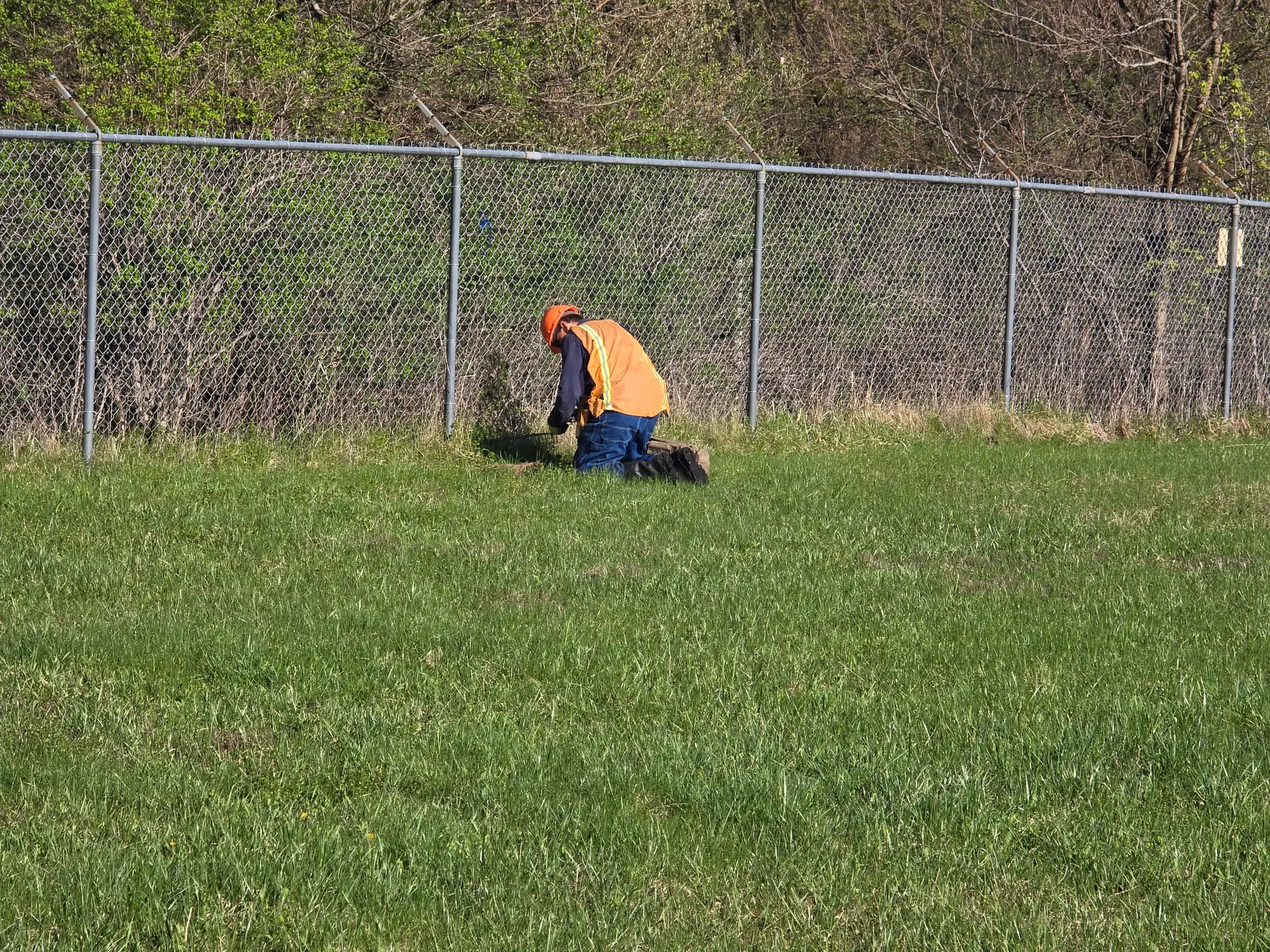
Site evaluation: Identifying where water collects, where it comes from, and the best route and discharge point for the underground pipe.
Excavation: Digging the basin pit and pipe trench to the required depth and slope. We use excavation equipment for efficient trenching with minimal landscape disruption.
Basin and pipe installation: Setting the catch basin structure, connecting the solid drain pipe, and routing it to the discharge point. Pipe joints are sealed, and the system is tested for flow before backfill.
Dry well or outlet construction: If the system discharges to a dry well, we excavate the pit, set the infiltration chamber, and wrap it in filter fabric and stone. If the system daylighting to grade, we install a pop-up emitter or headwall with erosion protection.
Backfill and grading: Filling the trench, compacting around the basin, and restoring the surface grade. Topsoil and seed are applied to disturbed lawn areas.
Downspout connections (if applicable): Connecting gutter downspouts to the underground drain line, replacing splash blocks with clean underground routing.
Excavation and Site Work Across Every Job Type
Seven service types covering every excavation need — residential, commercial, municipal, and industrial. If it involves moving earth, managing water, or building infrastructure, Hale handles it.
Site Preparation
Land clearing, building pad prep, topsoil work, subgrade, and final cleanup


Grading
Rough and finish grading, lot leveling, slope correction, drainage grading, and retaining walls

Drainage Solutions
French drains, catch basins, culverts, dry wells, and stormwater management
Septic Systems
New installation, repair and replacement, leach field work, and emergency service
Underground Utilities
Water and sewer lines, HDPE pipe fusion, utility trenching, and storm drains
Commercial Maintenance
Site maintenance, snow plowing, commercial mowing, and landfill maintenance
Related Services
Catch basins are part of our full drainage offering. We also install French drains, culverts, stormwater management systems, and property drainage solutions.
Catch basins handle surface water. French drains handle subsurface water. Together, they solve the full range of residential and commercial drainage problems.
Sometimes, standing water is a grading problem that can be solved by reshaping the surface. We evaluate whether regrading, a catch basin, or both is the right solution.
Get in touch
Three Decades of Major Project Experience
Hale Excavation LLC is a new venture led by Eric Hale, who brings extensive experience in landfill construction, environmental remediation, road construction, and federal projects. He has worked with the U.S. Army Corps of Engineers, the U.S. Forest Service, the Air Force, and major environmental firms throughout his career.
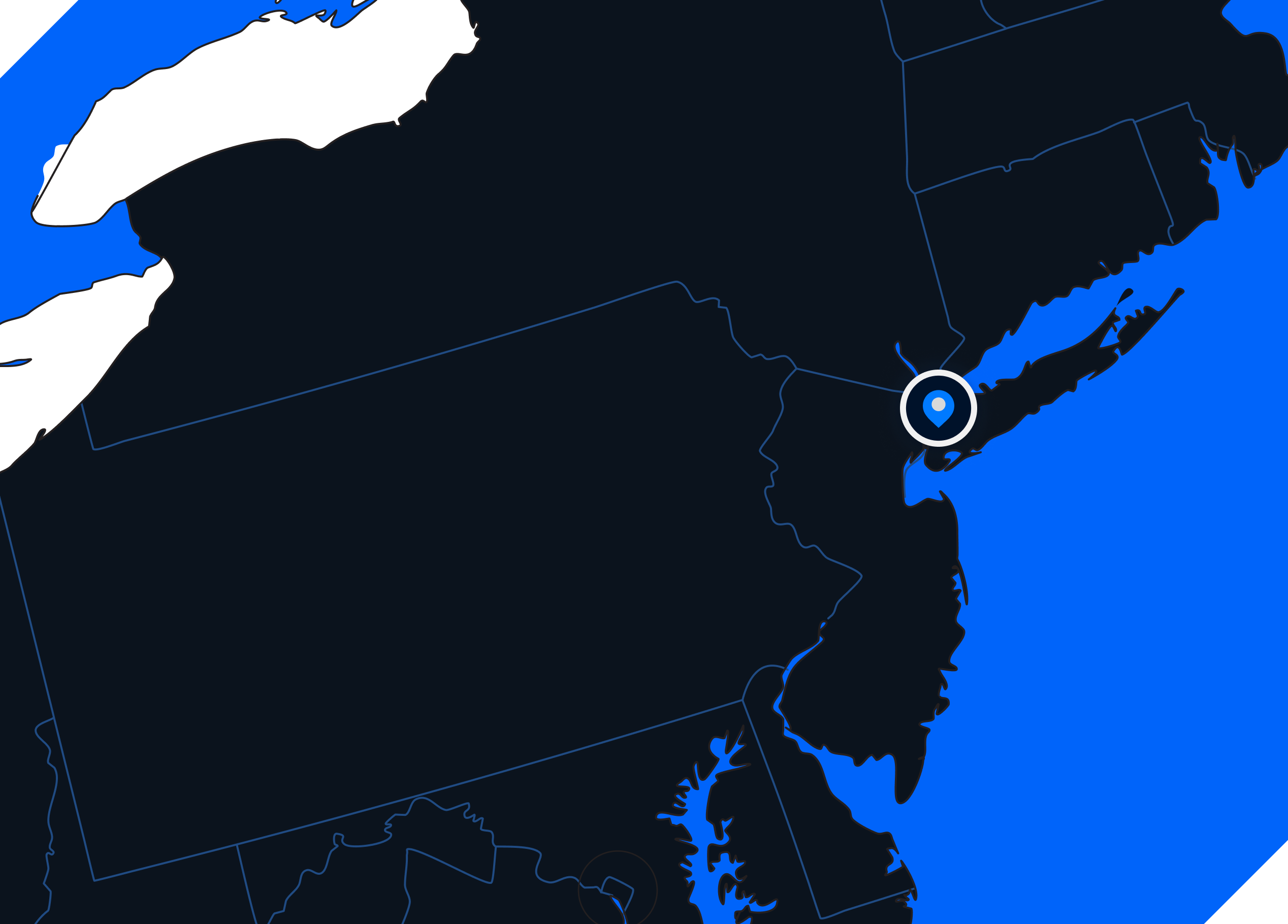
1991
Laborer & Surveyor
- Auburn, NY · Cayuga County
Eric returned from the Army to work full-time in construction while staying in the Army Reserves. Joined the apprenticeship program to become a certified operating engineer during this project (completed 1997, a certification he still holds).
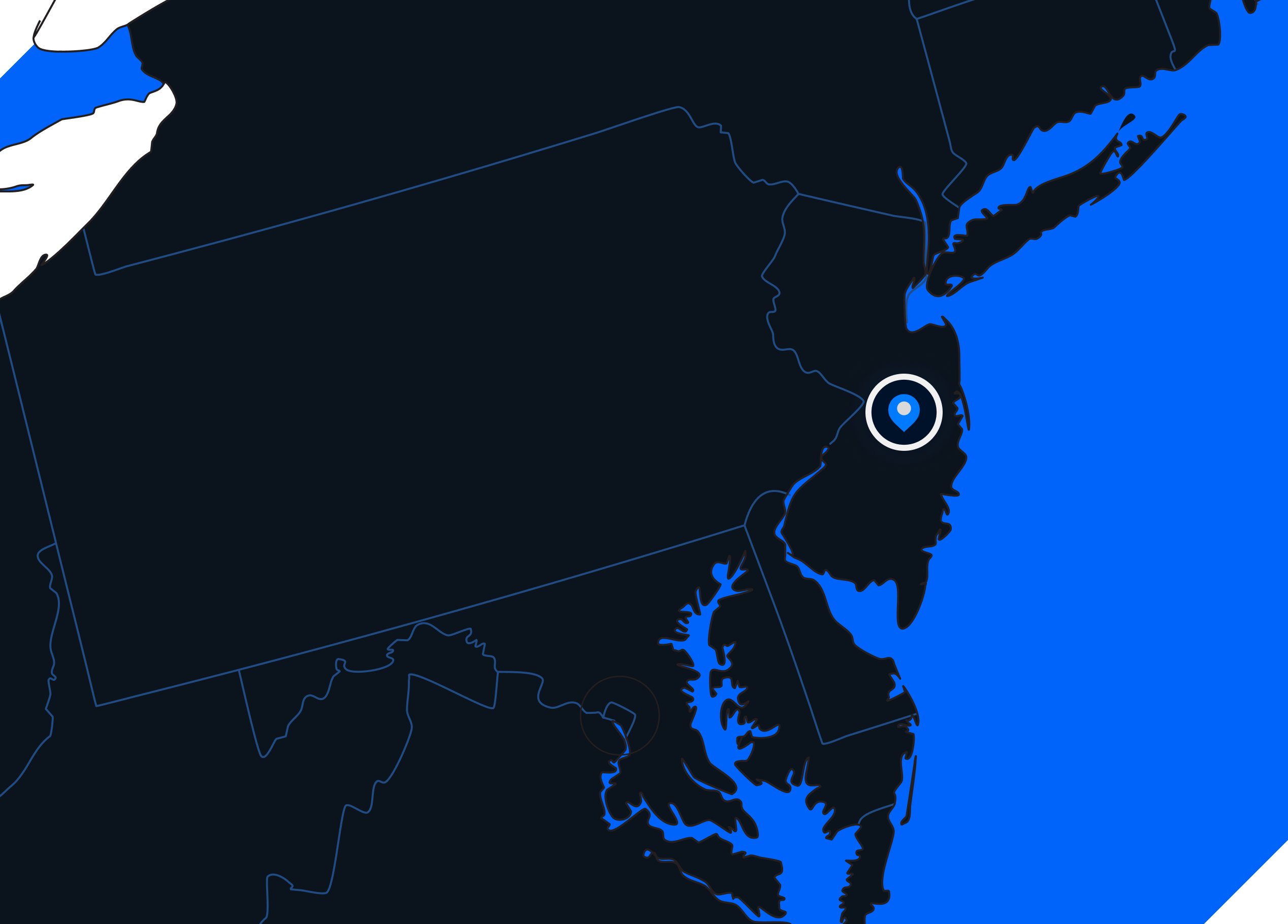
1993
Laborer · Surveyor · Heavy Equipment Operator
- Malone, NY · Franklin County
Eric took on expanded field responsibilities on this project, working across three trades: laborer, surveyor, and heavy equipment operator.
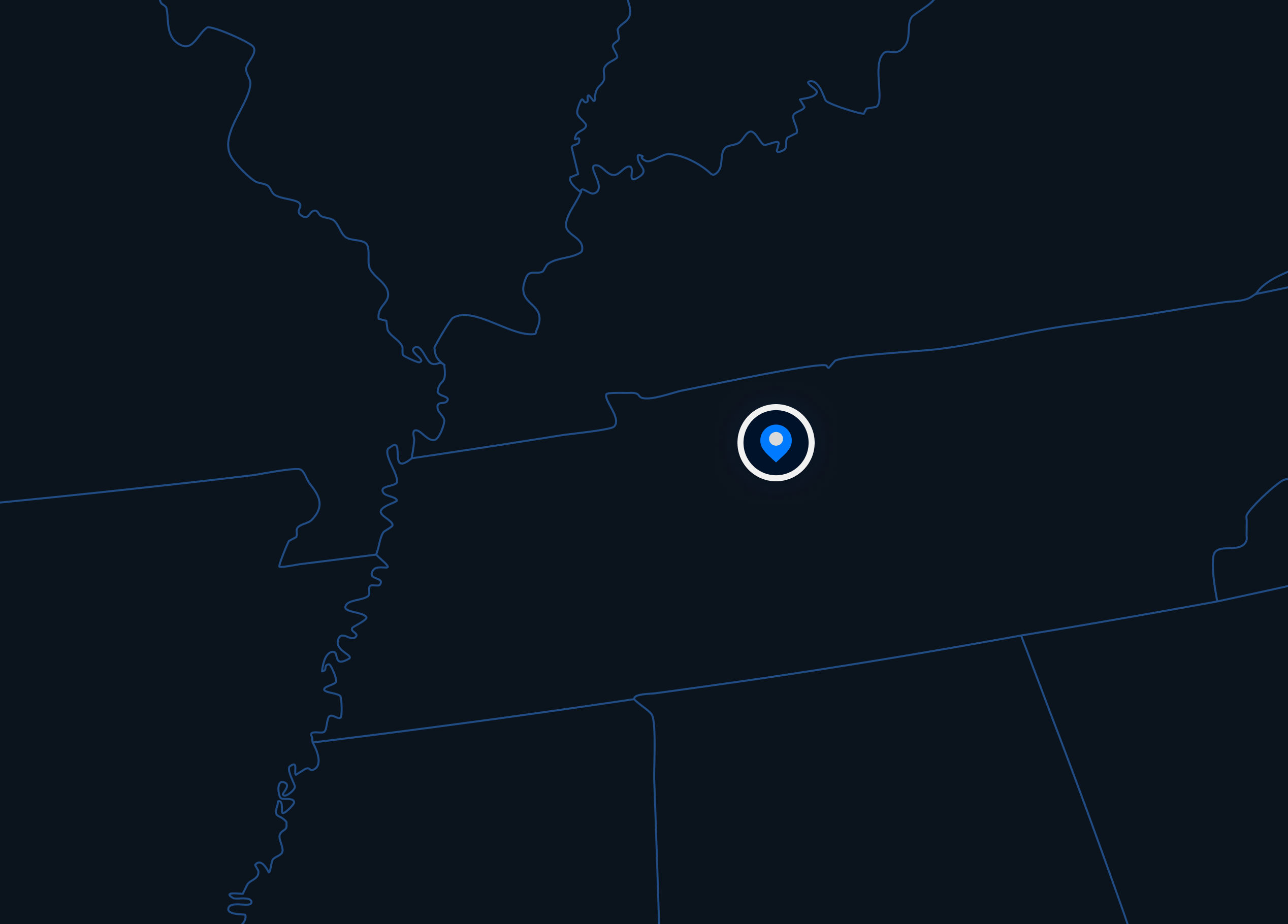
1994
Laborer · Surveyor · Heavy Equipment Operator
- Frankfort, NY · Herkimer County
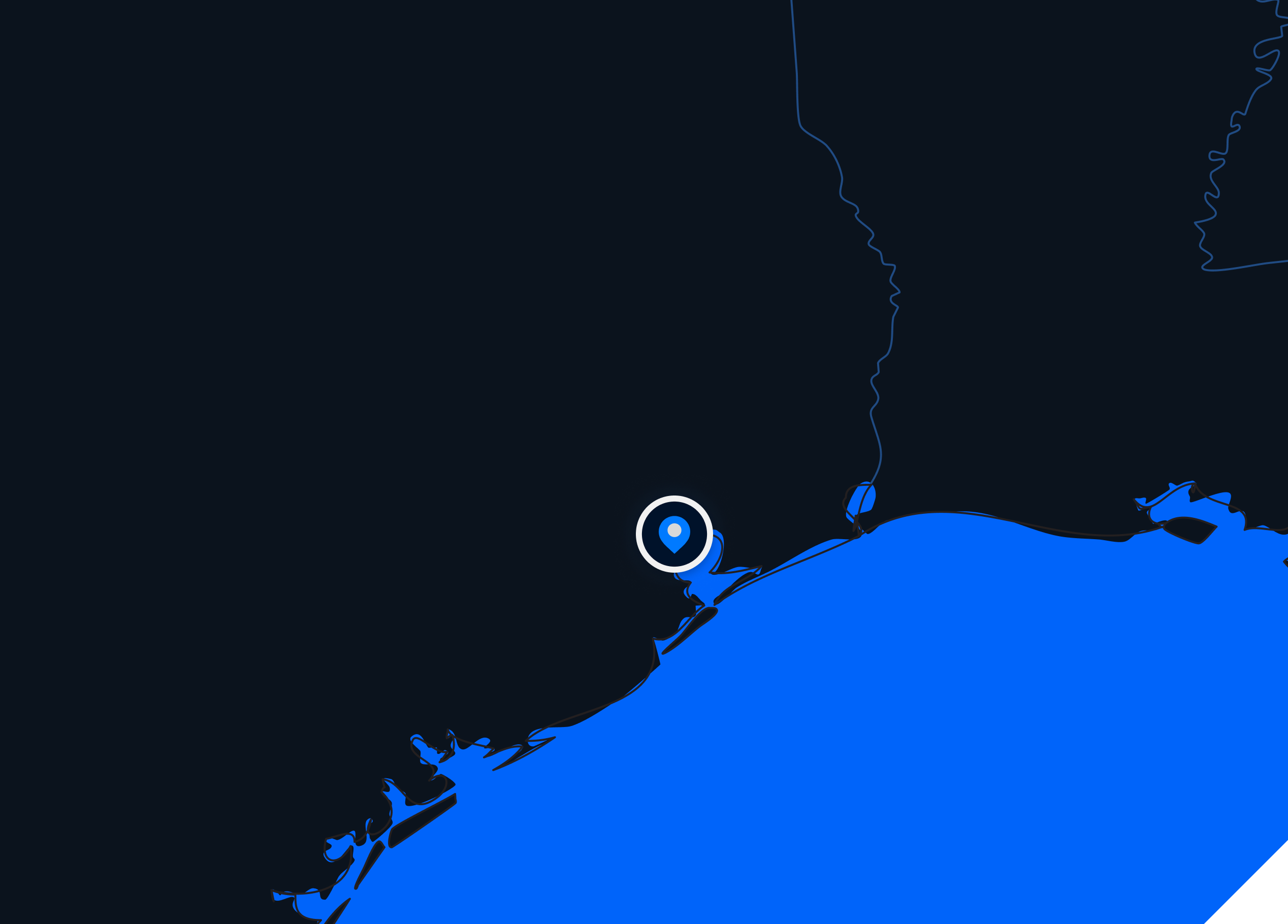
Constructed leachate collection and site drainage in 1994–95. Landfill closure completed in 1996. Gas removal windmill built in 1997. Eric worked across all phases of this multi-year project.
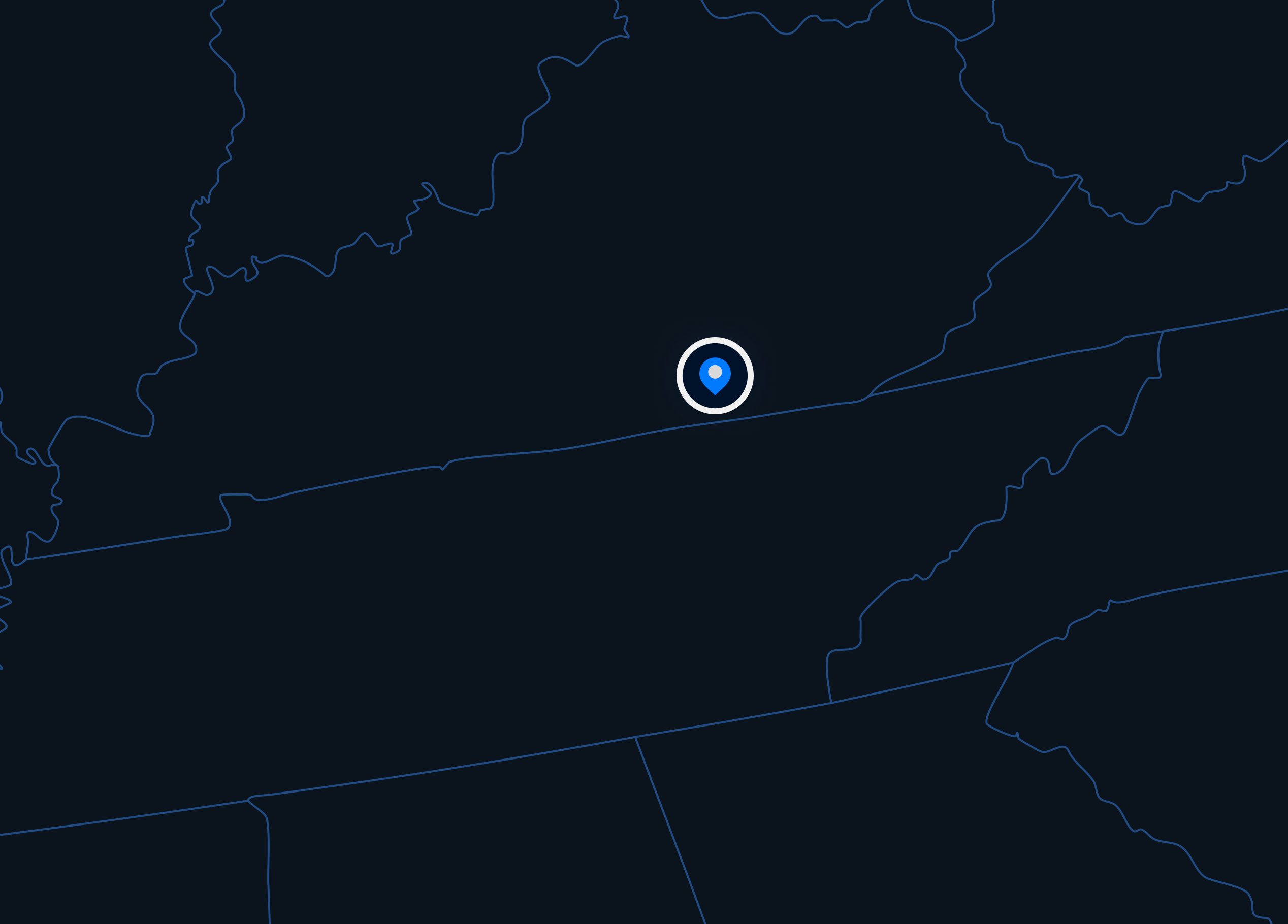
1998
Superintendent (First Time)
- Sodus, NY · Wayne County
Eric’s first job as a project superintendent — the beginning of his transition from the field to project leadership.
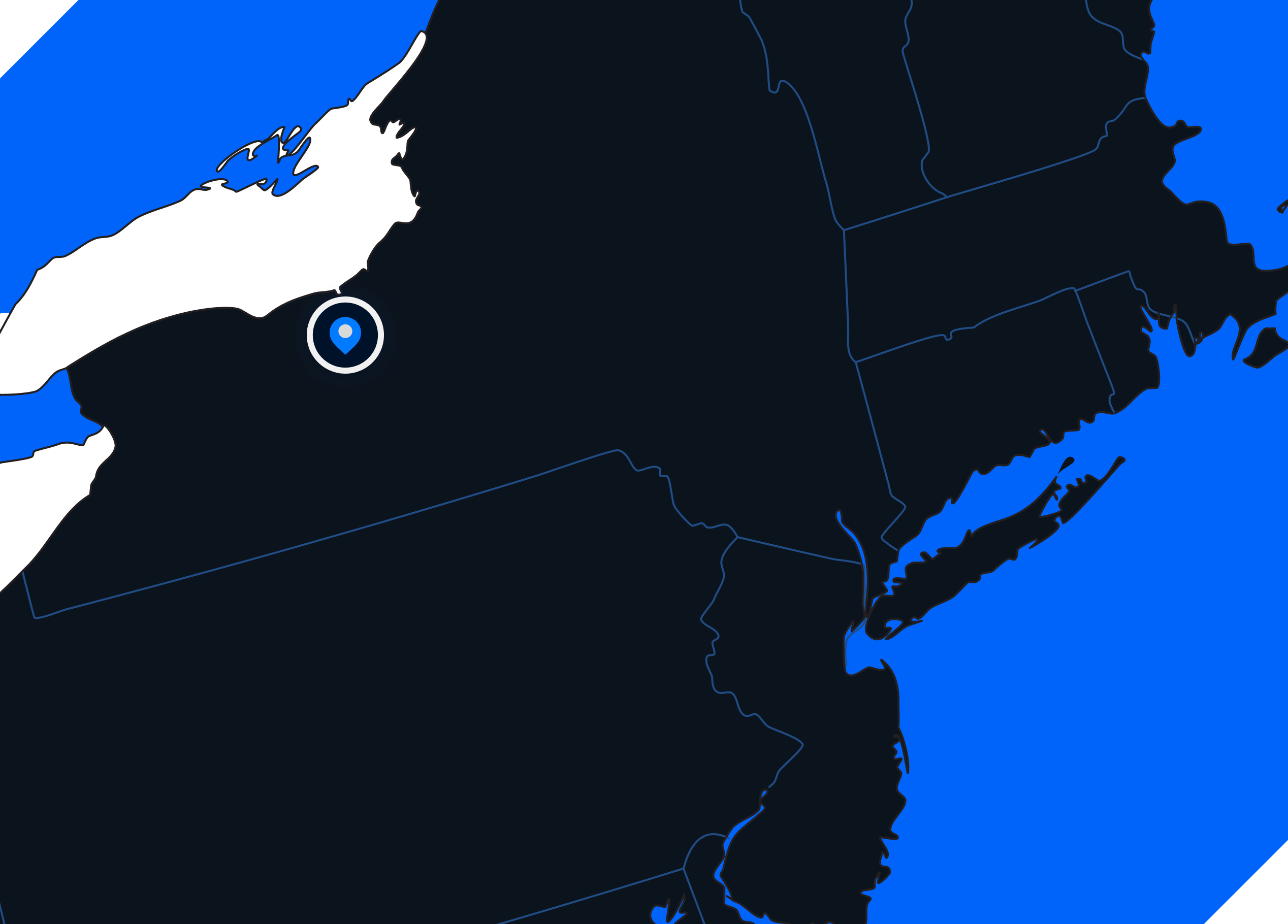
2008
Superintendent
- Wampsville, NY · Madison County
Cell 7 liner system construction on the Madison County Landfill. By this point Eric was running full field operations independently.
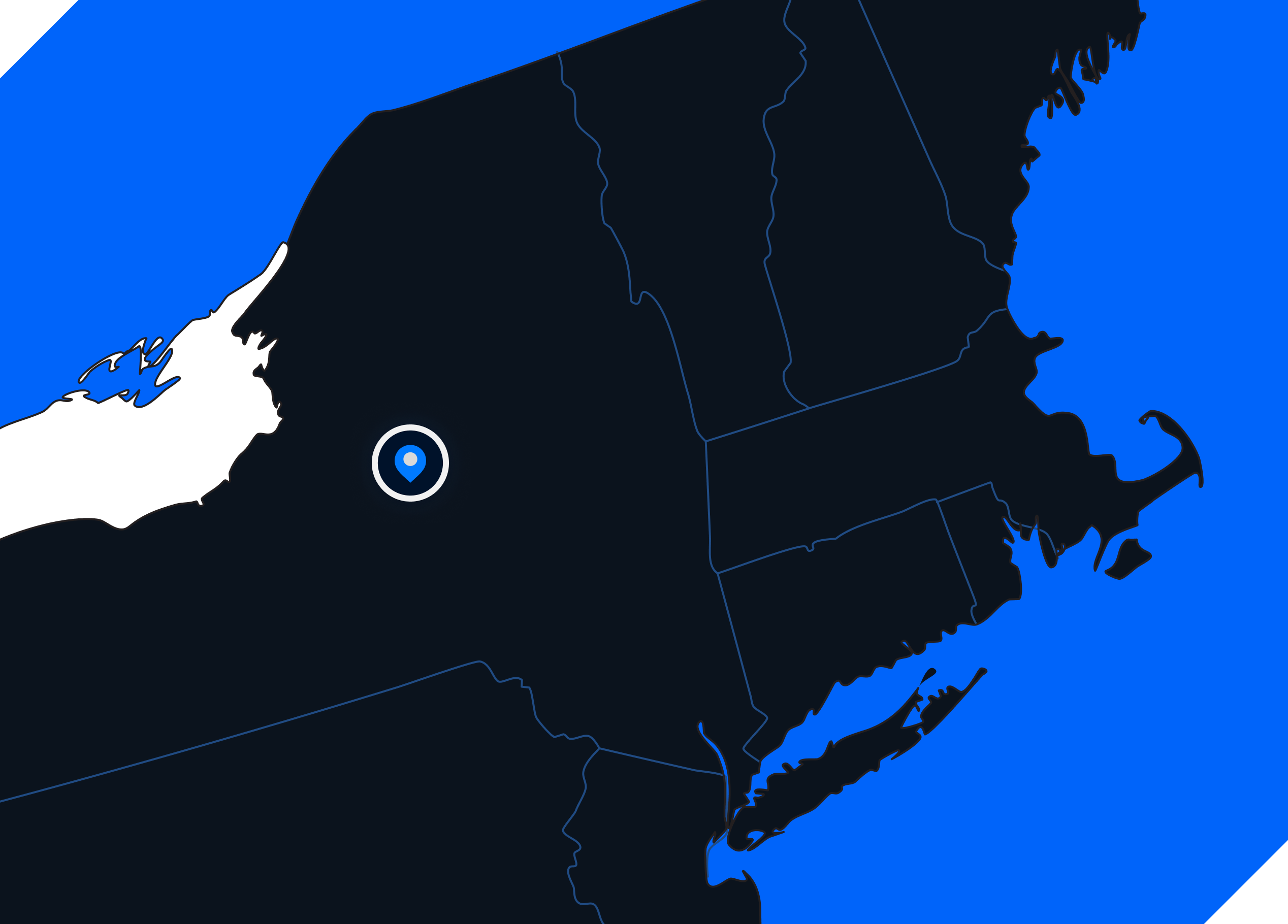
2012
Project Manager (First Time)
- Stanley, NY (Ontario County) + Morrisonville, NY (Clinton County)
Two of the largest projects Eric managed in his first year as a project manager. He worked on several other projects that year, but these were the biggest. Marks his transition from field superintendent to full project management.
2022
Senior Project Manager
- Middlesboro, KY + McGuire Air Force Base, NJ
2022 marked the first time Eric ever worked outside of New York State. He worked as senior project manager on both federal projects, plus several others that year.
2025
Founder · Owner · Director of Operations
- Sauquoit, NY · Oneida County
Eric founds Hale Excavation LLC — bringing 35 years of experience home to Central New York. From here we serve Oneida County, the Mohawk Valley, Herkimer, Madison, and surrounding counties. The scale is more personal now. The standards, work ethic, and project management discipline are exactly the same.
Projects listed above were completed under previous employers. They represent Eric Hale’s personal project resume and experience. Hale Excavation LLC was founded in November 2025.


Serving Central New York and the Mohawk Valley
From Utica and Rome through the Mohawk Valley, north into Lewis County, west across Onondaga, south into Chenango and Cortland — we work the full Central New York region. Our home base is Sauquoit, and our standard service radius is one to two hours from Utica. For the right project, we travel further.


How much does a catch basin cost to install?
Cost depends on the number of basins, pipe length, depth, discharge method, and site conditions. A single downspout drain line and a full-yard catch basin system with a dry well are very different scopes. We provide free on-site estimates with a clear breakdown.
What is the difference between a catch basin and a French drain?
A catch basin collects surface water through a grated opening. A French drain collects subsurface groundwater through a perforated pipe buried in gravel. Many properties need both: catch basins for standing surface water and French drains for subsurface water pressure against the foundation.
Can you connect my downspouts to an underground drain?
Yes. We install underground drain lines from your downspouts to a discharge point at least 10 feet from the foundation. This replaces splash blocks and above-ground extensions with a clean, permanent solution that keeps roof water away from the building.
What is a dry well, and when do I need one?
A dry well is an underground chamber that receives drainage water and allows it to slowly percolate into the soil. You need one when there is no gravity outlet to daylight the pipe at a lower elevation, or when your property needs to manage stormwater on-site rather than discharging it off the property.
How do I get a free estimate for catch basin work?
Call us at (315) 982-3673 or contact us online. We evaluate where water collects, identify the best drain placement and discharge method, and provide a written estimate.
Catch Basin & Yard Drain Questions