Skip to content

Septic System Installation in Oneida County & Central New York
Installed Right from the Perc Test to the Final Grade
New septic system installation in Oneida County and Central New York. Conventional, chamber, and mound systems. Health Department coordination and full-service installation. Free estimates. (315) 982-3673.










Septic Installation Across Central New York
Installing a new septic system is not a one-day job. It begins with soil testing and site evaluation, moves through Health Department review and permitting, and ends with a fully functioning system that is inspected, approved, and graded. Every step has to be done correctly because the system is buried underground and is expected to function for 25 to 30 years without major intervention.
Hale Excavation is a veteran-owned, licensed, and insured septic contractor with over 35 years of construction experience. We install complete septic systems for new home construction, full system replacements on existing properties, and commercial installations. We coordinate directly with the Oneida County Health Department on all permitting, inspections, and system approvals.
In Oneida County and surrounding areas, the Health Department reviews and approves all new septic system installations. The approval process includes soil testing (perc test and deep test pits), system design review, and on-site inspections during construction. We manage this process so you do not have to navigate it alone.
We serve homeowners, builders, and developers throughout Oneida County, Herkimer County, Madison County, and surrounding communities. Free estimates, free second opinions, and free consultations on every septic installation project.


Signs You Need a New Septic System
Building a New Home on a Lot Without Municipal Sewer
Any new home outside of a municipal sewer district needs a private septic system. The process begins with a perc test and deep test pits to determine what type of system the soil can support. We coordinate the testing, work with the system designer, and install the approved system.
Your Existing Septic System Has Failed Beyond Repair
When a septic system is too old, too damaged, or too far gone to repair, full replacement is the only option. Signs include chronic backup, repeated pump-outs that do not solve the problem, sewage surfacing in the yard, and a system that no longer meets current code. We remove the old system and install a new one.
The Health Department Requires a New System for a Property Transfer
Some municipalities and counties require a septic inspection as part of a real estate transaction. If the existing system fails inspection, a new system may be required before the sale can close. We install replacement systems on a timeline that keeps the transaction moving.
You Are Adding Bedrooms or Increasing the Load on an Existing System
Septic system sizing is based on the number of bedrooms in the home. Adding bedrooms, converting a basement to living space, or increasing occupancy may require a larger system or an upgraded leach field. The Health Department determines whether the existing system is adequate or needs to be replaced.
Your Property Needs a Septic System for a New Outbuilding or Commercial Use
Guest houses, rental units, agricultural buildings with restrooms, and commercial properties all have septic requirements. The system type and size depend on the use, the expected flow volume, and the soil conditions. We install systems for all property types and uses.

Types of Septic Systems We Install
- Conventional Gravity Septic Systems
The most common system type in Central New York. Wastewater flows by gravity from the house to the septic tank, through the distribution box, and into the leach field trenches. Conventional systems work well in soils with adequate percolation rates and sufficient separation from the water table. We excavate for the tank, distribution box, and leach field, set all components, make connections, backfill, and grade.
- Chamber Septic Systems
Chamber systems use plastic arch chambers instead of gravel-filled trenches in the leach field. The chambers provide more surface area for effluent absorption and are lighter and faster to install than conventional gravel systems. Chamber systems are approved for use in many soil conditions where conventional systems also work. We install chamber systems from manufacturers like Infiltrator and similar products.
- Mound Septic Systems
When the natural soil does not have adequate percolation or the water table is too high for a conventional in-ground system, a mound system may be required. A mound system builds the leach field above grade using imported sand and fill, with a pump delivering effluent from the tank to the raised field. Mound systems are more complex and more expensive than conventional systems, but they are the solution for sites where in-ground options will not work.
- Full System Replacement
Replacing an entire failed system with a new one. This includes pumping and abandoning the old tank, removing old pipe and components, excavating for the new system, installing the new tank, distribution box, and leach field, and restoring the site. The replacement system is designed based on current soil conditions and the home’s bedroom count.
Why Professional Septic Installation Matters
It Determines How Long the System Lasts
A septic system installed with proper materials, correct grades, adequate bedding, and appropriate soil cover will function for 25 to 30 years or more. A system installed with shortcuts, wrong materials, or insufficient compaction will fail years earlier. We install every component to specification because the system is underground and not easily fixed after the fact.
It Passes Health Department Inspection
The Oneida County Health Department inspects septic installations at multiple stages: after excavation, after tank and distribution box placement, and after leach field construction. The system must match the approved design at every stage. We build according to the approved plan and schedule inspections at the right time to keep the project moving.
It Protects Your Well Water and Your Neighbors
An improperly installed septic system can contaminate well water, surface water, and groundwater. Setback distances from wells, property lines, and water features are specified in the Health Department approval for a reason. We install according to the approved layout with all required separations.
It Leaves Your Property Clean and Graded
A septic installation tears up a significant portion of the yard. When we finish, we backfill, compact, grade the entire disturbed area for proper drainage, and leave the site ready for topsoil and seed. We do not leave a construction site behind.
What Septic Installation Includes
The full installation process typically includes:
Perc test and soil evaluation coordination: Scheduling and attending the perc test and deep test pit dig with the Health Department or their designee. The results determine what type of system the soil can support.
System design coordination: Working with the system designer (engineer or approved designer) to finalize the layout, tank size, leach field type, and component placement based on soil test results and lot layout.
Health Department permitting: Submitting the application, coordinating reviews, and obtaining the installation permit before construction begins.
Site preparation: Clearing the septic area if needed, stripping topsoil, and establishing equipment access to the tank and field locations.
Tank excavation and setting: Digging the tank pit, placing bedding material, setting the tank at the correct elevation, and leveling it. Inlet and outlet elevations are verified before backfill.
Distribution box installation: Setting the D-box at the correct elevation relative to the tank outlet and leach field inlets. The D-box distributes effluent evenly to all field laterals.
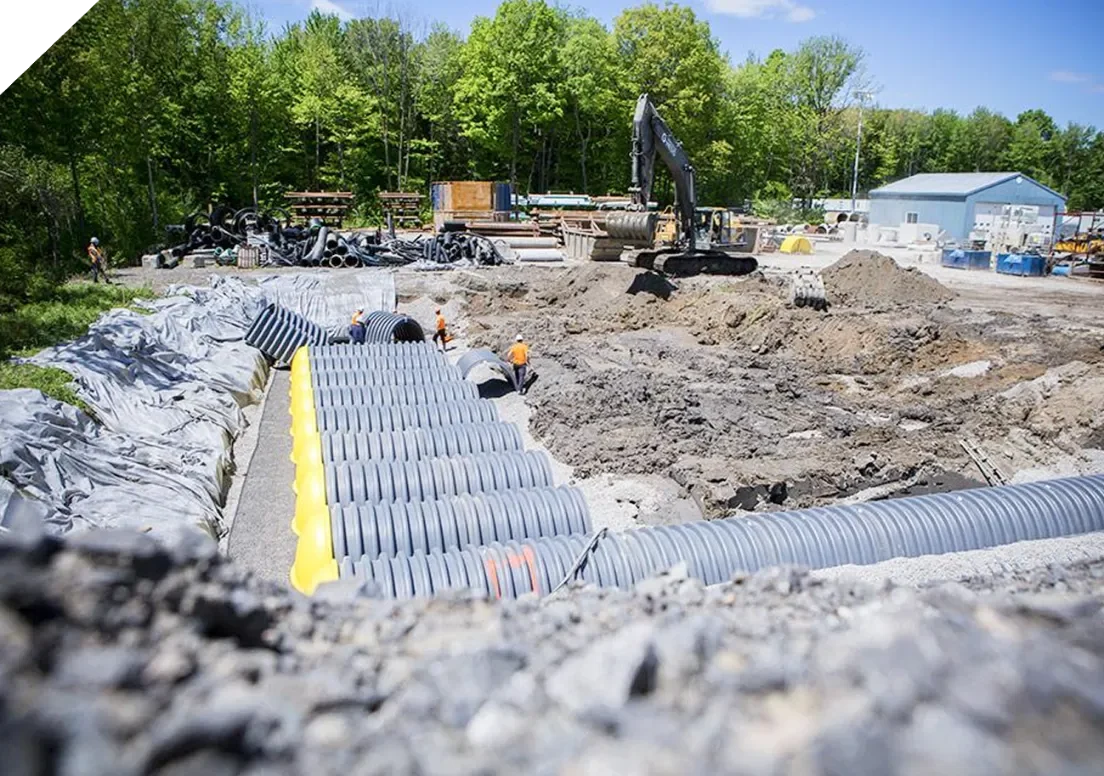
Leach field construction: Excavating field trenches, placing gravel or chambers, installing distribution pipe, and covering with filter fabric and soil. Trench depth, width, spacing, and slope all follow the approved design.
Pipe connections: Connecting all components: house to tank, tank to D-box, D-box to field laterals. All connections are tested for grade and tightness.
Inspections: Scheduling Health Department inspections at the required stages. The system remains exposed for inspection before backfill.
Backfill, compaction, and grading: After passing inspection, we backfill around all components, compact the fill, and grade the entire area for proper surface drainage. The site is left ready for topsoil and seeding.
Excavation and Site Work Across Every Job Type
Seven service types covering every excavation need — residential, commercial, municipal, and industrial. If it involves moving earth, managing water, or building infrastructure, Hale handles it.
Site Preparation
Land clearing, building pad prep, topsoil work, subgrade, and final cleanup


Grading
Rough and finish grading, lot leveling, slope correction, drainage grading, and retaining walls

Drainage Solutions
French drains, catch basins, culverts, dry wells, and stormwater management
Septic Systems
New installation, repair and replacement, leach field work, and emergency service
Underground Utilities
Water and sewer lines, HDPE pipe fusion, utility trenching, and storm drains
Commercial Maintenance
Site maintenance, snow plowing, commercial mowing, and landfill maintenance
Related Services
Septic installation is part of our full septic service offering, which also includes repair, replacement, and leach field work.
If your existing system can be repaired rather than replaced, we handle that too. Tank repair, line repair, and D-box replacement.
Leach field replacement, repair, and extension. If your leach field has failed but the tank is still functional, we can replace the field without replacing the entire system.
Get in touch
Three Decades of Major Project Experience
Hale Excavation LLC is a new venture led by Eric Hale, who brings extensive experience in landfill construction, environmental remediation, road construction, and federal projects. He has worked with the U.S. Army Corps of Engineers, the U.S. Forest Service, the Air Force, and major environmental firms throughout his career.
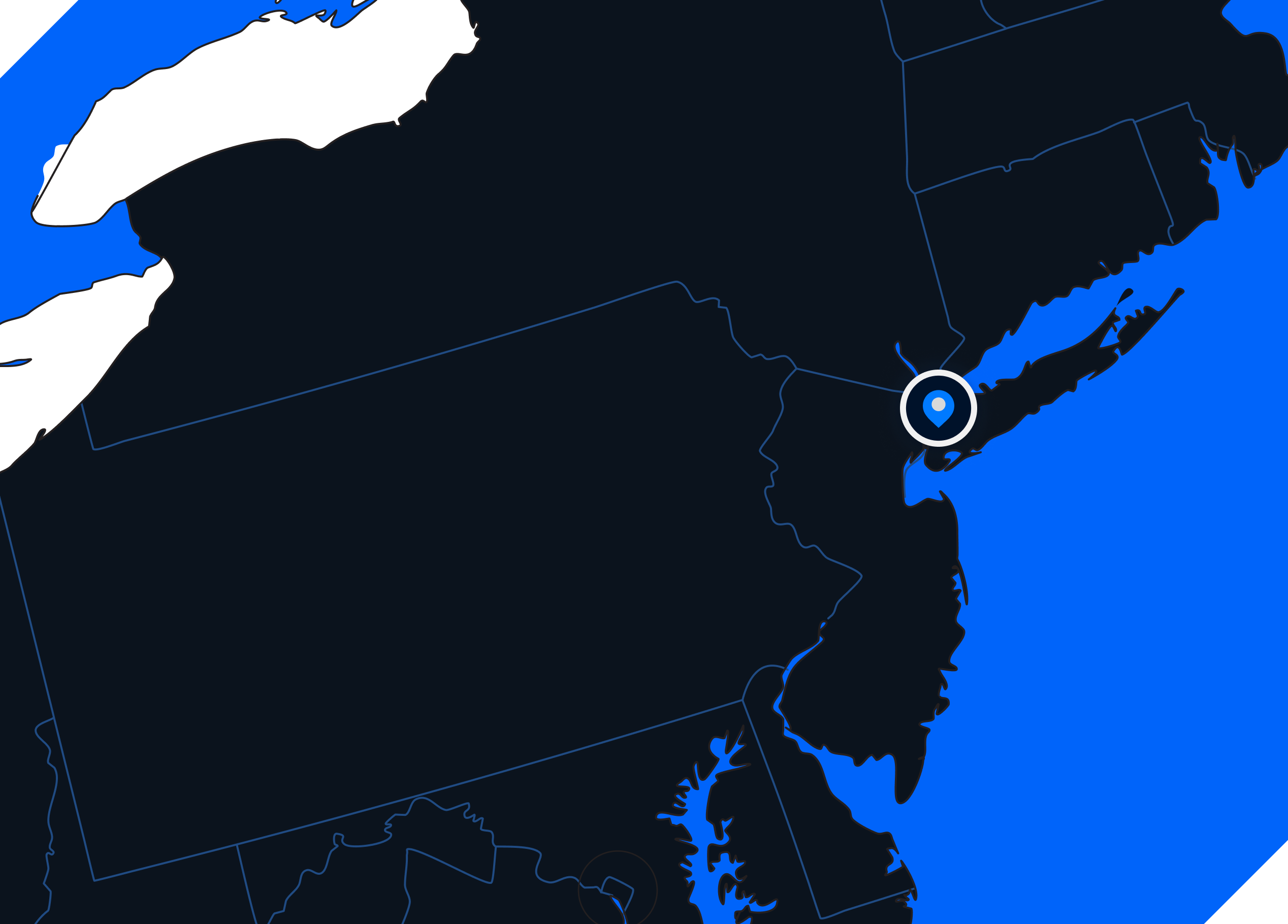
1991
Laborer & Surveyor
- Auburn, NY · Cayuga County
Eric returned from the Army to work full-time in construction while staying in the Army Reserves. Joined the apprenticeship program to become a certified operating engineer during this project (completed 1997, a certification he still holds).
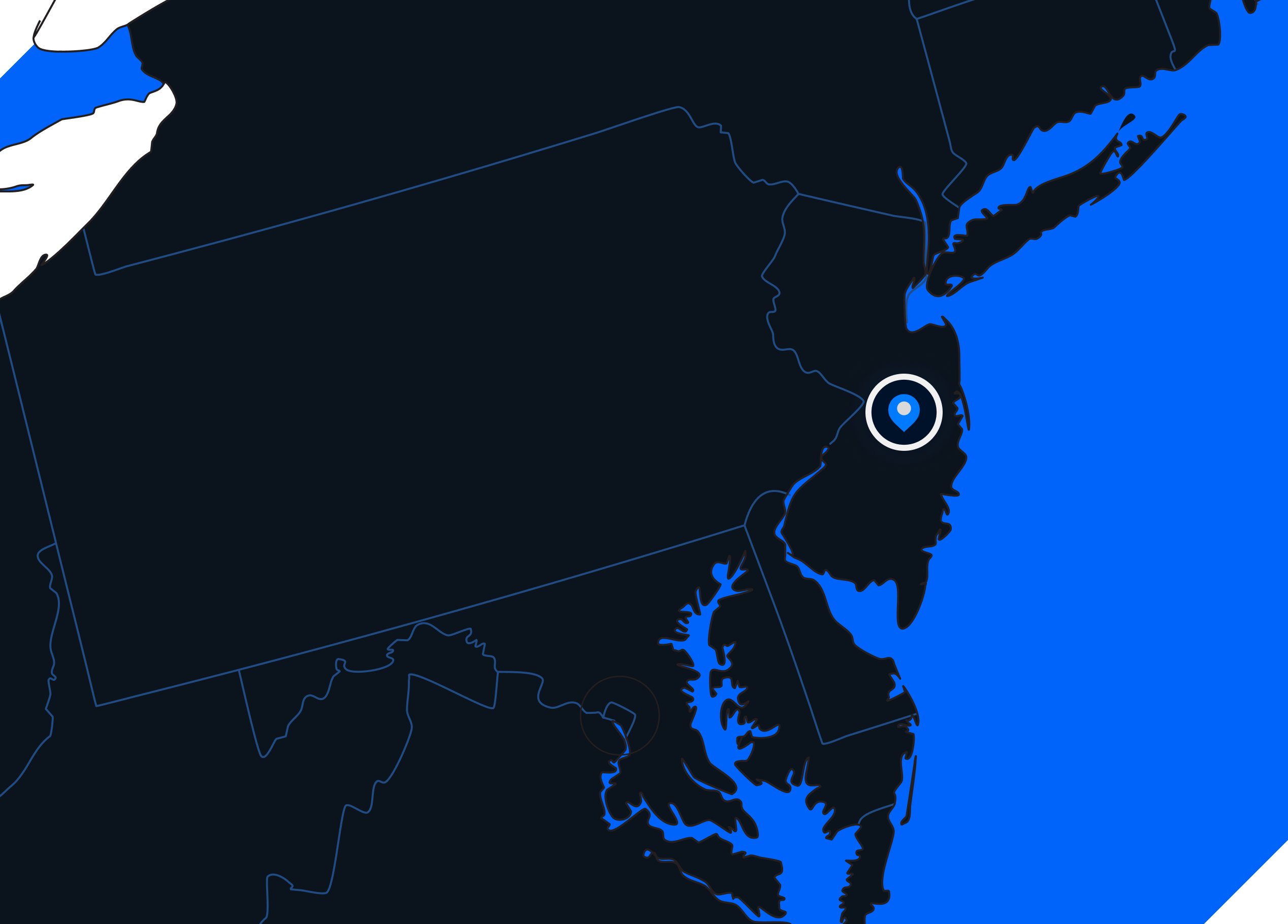
1993
Laborer · Surveyor · Heavy Equipment Operator
- Malone, NY · Franklin County
Eric took on expanded field responsibilities on this project, working across three trades: laborer, surveyor, and heavy equipment operator.
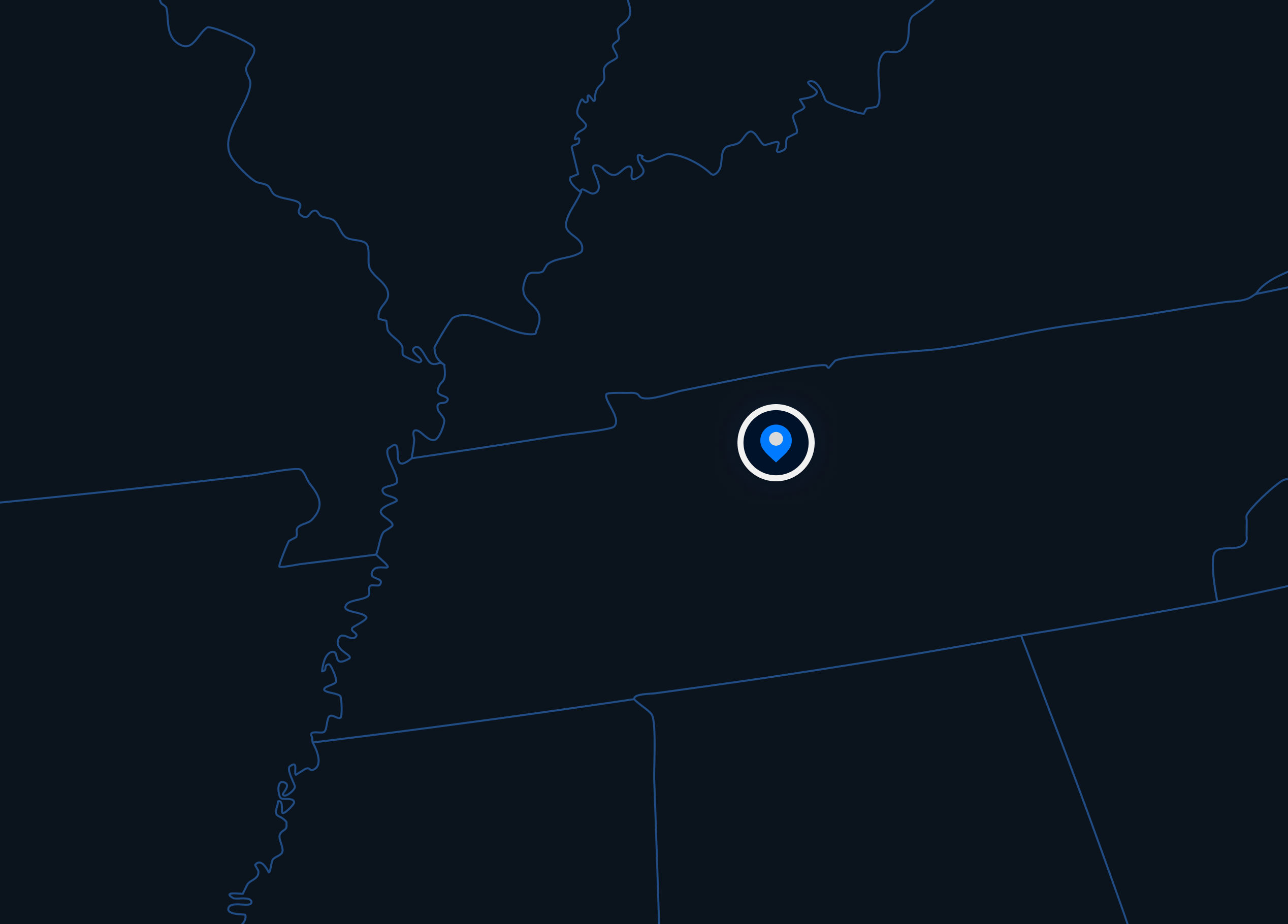
1994
Laborer · Surveyor · Heavy Equipment Operator
- Frankfort, NY · Herkimer County
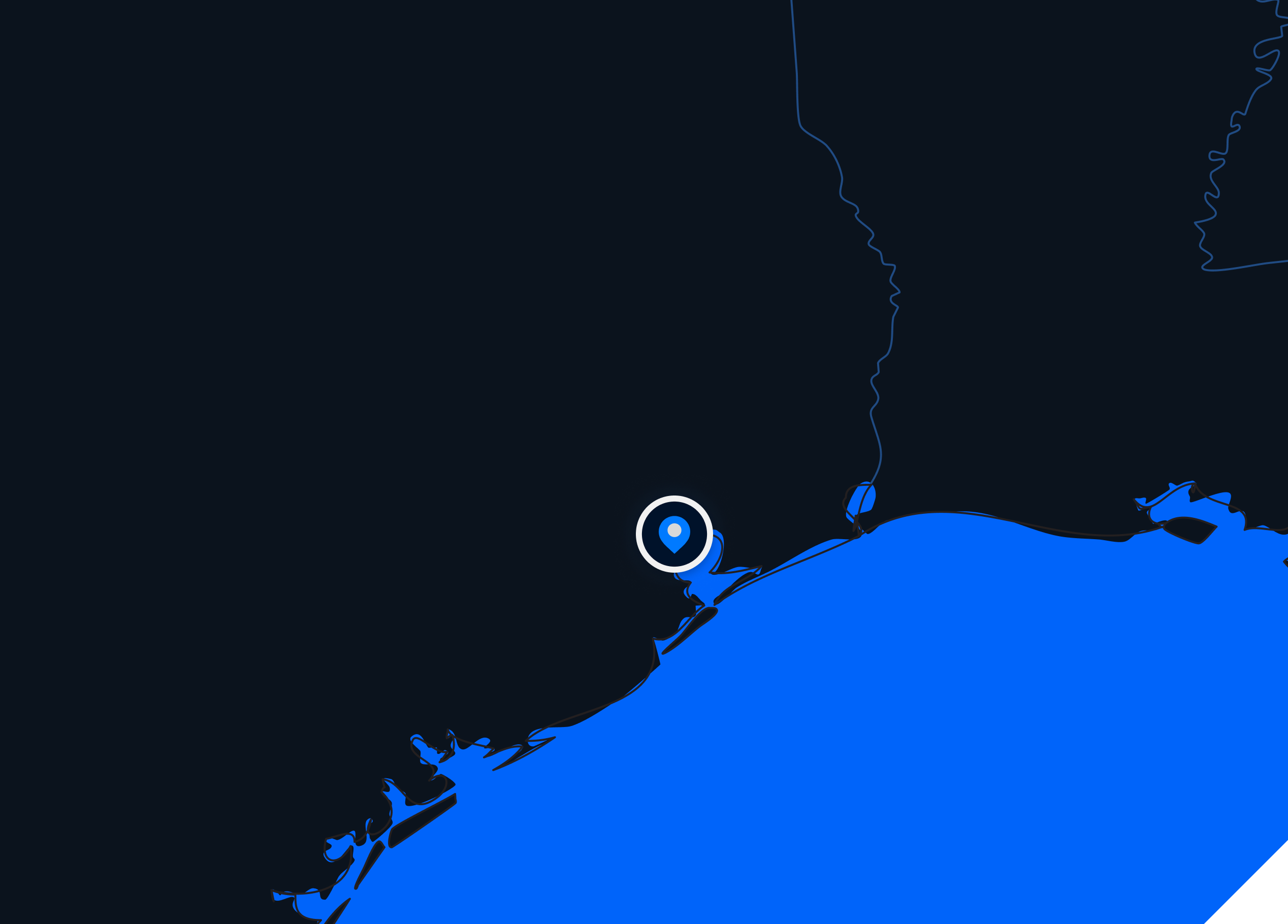
Constructed leachate collection and site drainage in 1994–95. Landfill closure completed in 1996. Gas removal windmill built in 1997. Eric worked across all phases of this multi-year project.
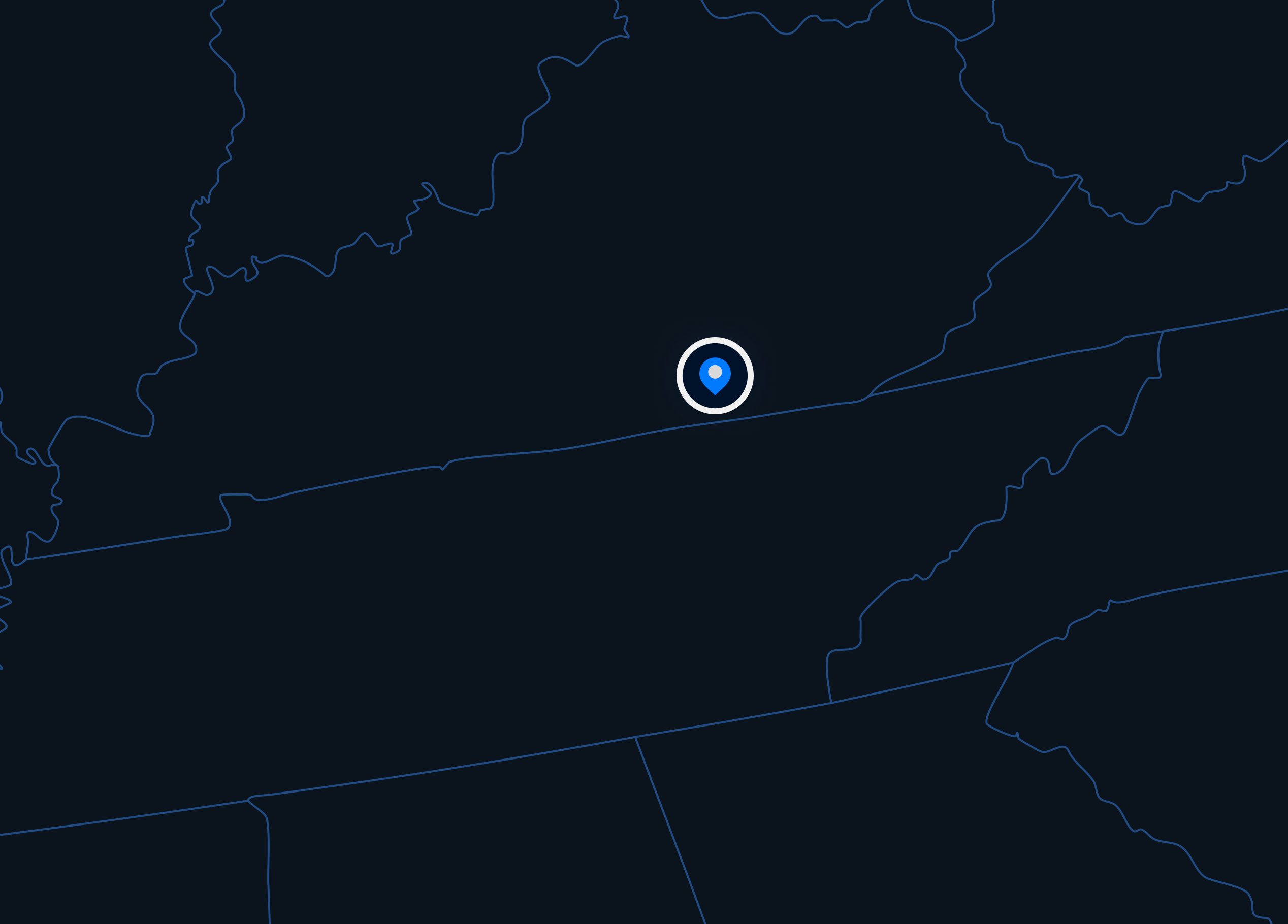
1998
Superintendent (First Time)
- Sodus, NY · Wayne County
Eric’s first job as a project superintendent — the beginning of his transition from the field to project leadership.
2008
Superintendent
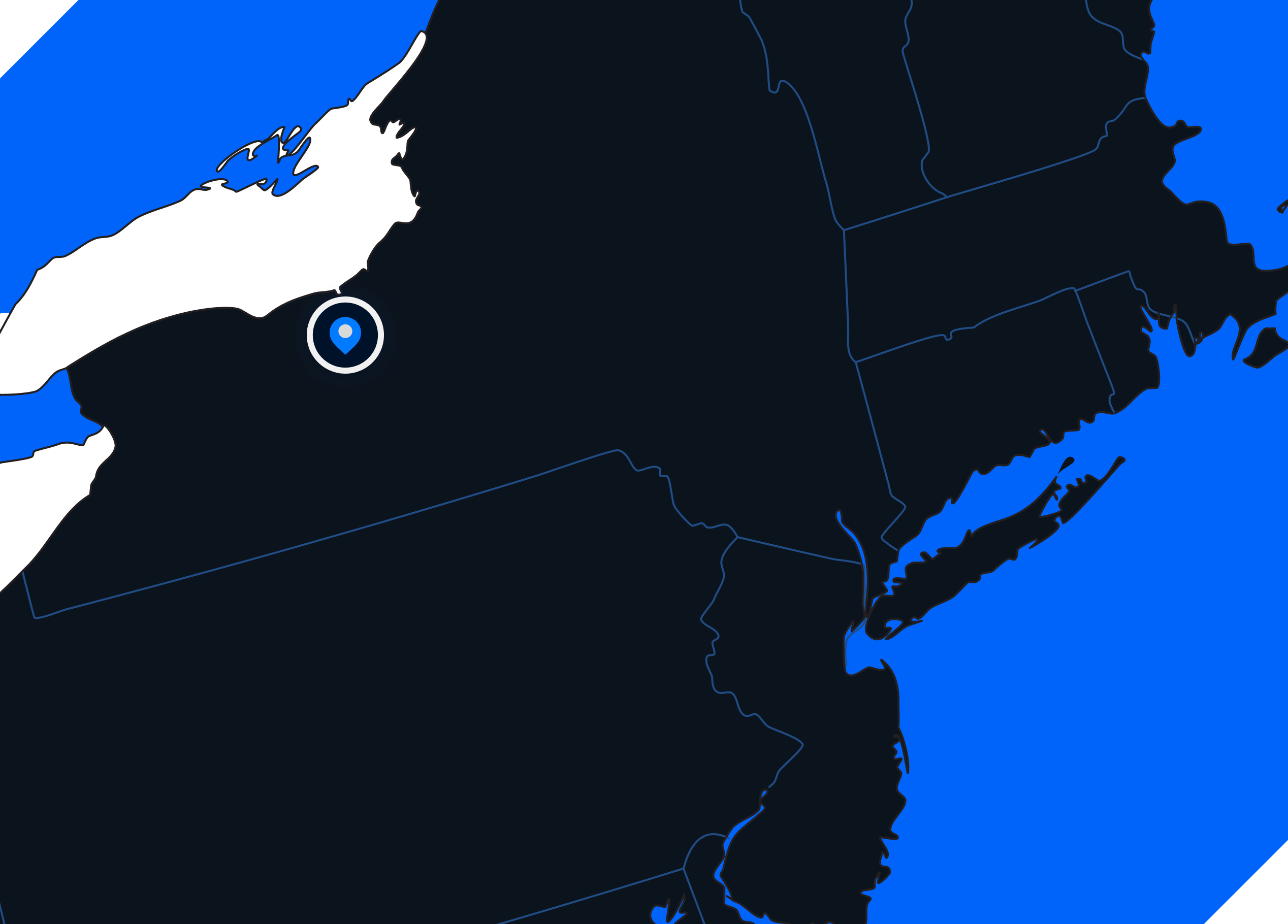
- Wampsville, NY · Madison County
Cell 7 liner system construction on the Madison County Landfill. By this point Eric was running full field operations independently.
2012
Project Manager (First Time)
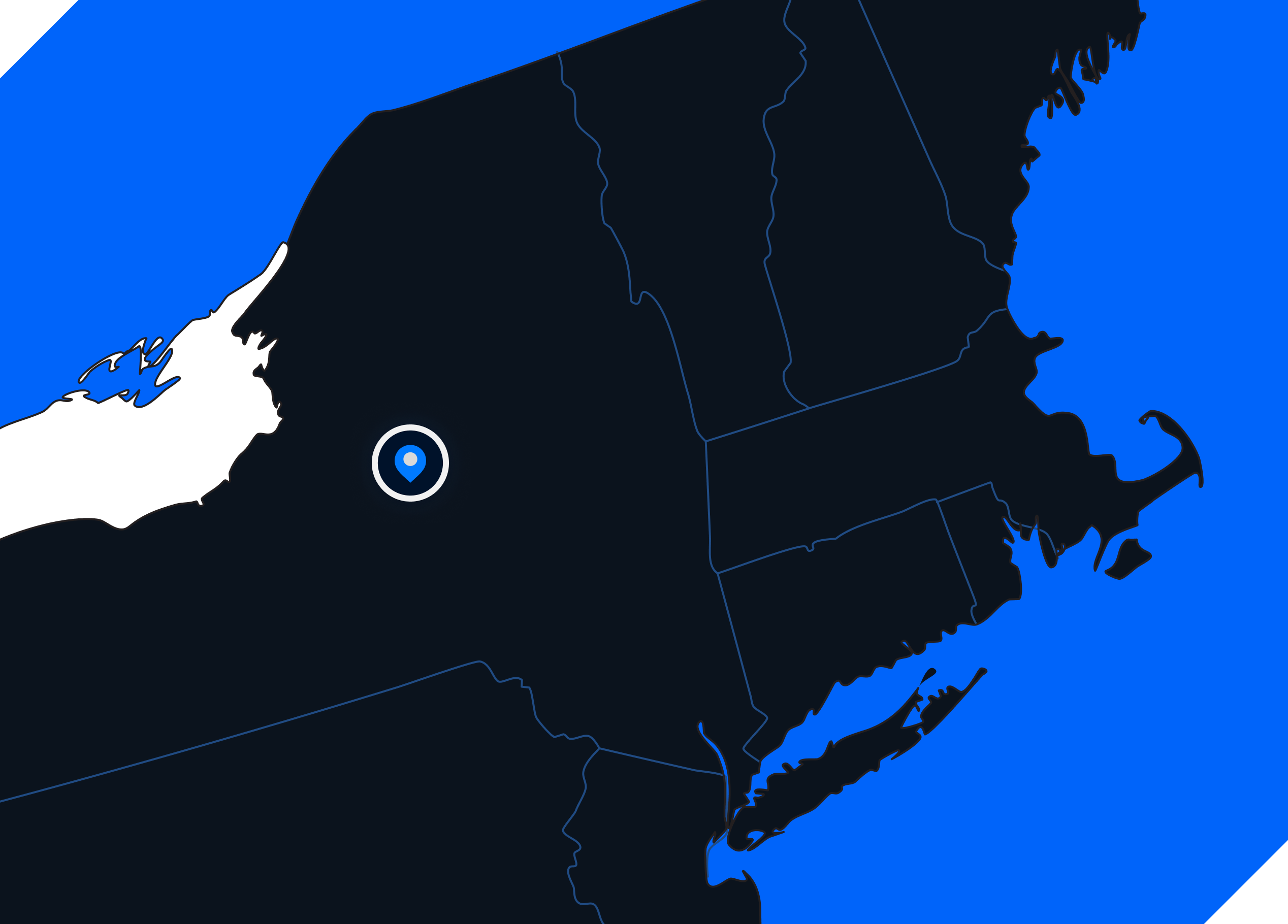
- Stanley, NY (Ontario County) + Morrisonville, NY (Clinton County)
Two of the largest projects Eric managed in his first year as a project manager. He worked on several other projects that year, but these were the biggest. Marks his transition from field superintendent to full project management.
2022
Senior Project Manager
- Middlesboro, KY + McGuire Air Force Base, NJ
2022 marked the first time Eric ever worked outside of New York State. He worked as senior project manager on both federal projects, plus several others that year.
2025
Founder · Owner · Director of Operations
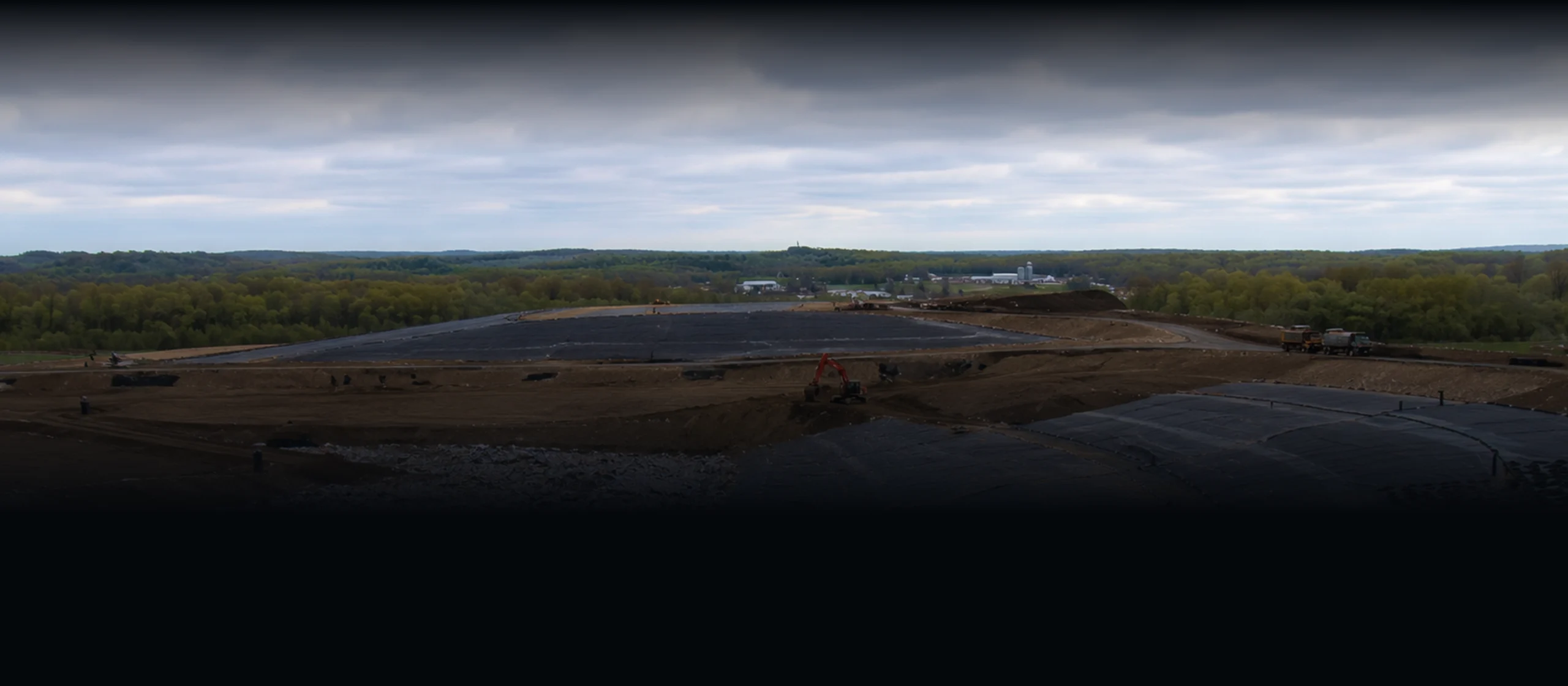
- Sauquoit, NY · Oneida County
Eric founds Hale Excavation LLC — bringing 35 years of experience home to Central New York. From here we serve Oneida County, the Mohawk Valley, Herkimer, Madison, and surrounding counties. The scale is more personal now. The standards, work ethic, and project management discipline are exactly the same.
Projects listed above were completed under previous employers. They represent Eric Hale’s personal project resume and experience. Hale Excavation LLC was founded in November 2025.


Serving Central New York and the Mohawk Valley
From Utica and Rome through the Mohawk Valley, north into Lewis County, west across Onondaga, south into Chenango and Cortland — we work the full Central New York region. Our home base is Sauquoit, and our standard service radius is one to two hours from Utica. For the right project, we travel further.


How much does a new septic system cost?
Cost depends on the system type (conventional, chamber, mound), tank size, leach field size, soil conditions, and site access. A conventional gravity system on a straightforward lot and a mound system on a difficult site are very different projects. We provide free on-site estimates after reviewing the soil test results and lot layout.
How long does septic installation take?
On-site construction typically takes 3 to 5 days for a residential system. The full timeline, including perc testing, design, Health Department review, and scheduling, usually runs 4 to 8 weeks. The Weather and Health Department scheduling affects the overall timeline.
Who handles the Health Department permit?
We do. We coordinate with the Oneida County Health Department on the application, soil test scheduling, design review, and construction inspections. You do not have to manage the permit process yourself.
What type of septic system do I need?
The system type is determined by your soil conditions (perc test results), water table depth, lot layout, and the number of bedrooms in the home. The Health Department and your system designer determine which system type is approved for your property.
How do I get a free estimate for septic installation?
Call us at (315) 982-3673 or contact us online. If you already have perc test results and a system design, share them and we will provide a construction estimate. If you are starting from scratch, we can coordinate the perc test and walk you through the process.
Septic Installation Questions