Skip to content

Pond Excavation Services in Oneida County & Central New York
Dig It Right and the Water Stays Where You Want It
Pond excavation in Oneida County and Central New York. Farm ponds, fishing ponds, retention basins, pond deepening, and pond expansion.









Pond Construction Across Central New York
Pond excavation is one of the most common requests we receive from rural property owners in Central New York. Homeowners want fishing ponds on their back acreage. Farmers need stock ponds or irrigation water storage. Developers need retention and detention basins to meet stormwater requirements. Each type of pond serves a different purpose, but they all require the same thing: a contractor who understands soil conditions, water sources, grading, and drainage.
Hale Excavation is a veteran-owned, licensed, and insured contractor with over 35 years of construction experience. We excavate ponds of all sizes for residential, agricultural, and commercial clients throughout Oneida County, Herkimer County, Madison County, and the surrounding region.
The New York State DEC advises that ponds constructed by building a dam require design by a licensed professional engineer, and ponds near streams, wetlands, or regulated watercourses may require permits from the DEC or the U.S. Army Corps of Engineers. We help you identify what is needed before any digging begins.
Free estimates, free second opinions, and free consultations on every pond project. We visit your property, evaluate the site, and provide a clear scope and estimate.


Signs You Need Pond Excavation
You Want a Pond on Your Property and Need to Know if the Site Will Hold Water
Not every location is right for a pond. Soil type, water table, drainage patterns, and proximity to wetlands or streams all factor into whether a pond will work on your property. We evaluate the site and help you determine if a pond is feasible before committing to excavation.
Your Existing Pond Has Silted In and No Longer Holds Water Properly
Ponds accumulate sediment over time, especially if the surrounding land drains surface water into the basin. A pond that was 8 feet deep 20 years ago may be 3 feet deep now. Dredging and reshaping restore depth, capacity, and function.
Your Farm Needs Water Storage for Livestock or Irrigation
Agricultural ponds provide water for livestock, crop irrigation, and fire protection. The USDA Natural Resources Conservation Service (NRCS) and your county Soil and Water Conservation District can provide technical assistance and may offer financial assistance for qualifying agricultural pond projects.
Your Development Requires a Stormwater Retention or Detention Basin
Commercial and residential developments often require stormwater management basins to meet permit requirements. We excavate retention ponds (permanent water) and detention basins (temporary storage that drains down after a storm) to the specifications in your stormwater management plan.
You Want to Expand or Reshape an Existing Pond
An existing pond can be made larger, deeper, or reshaped to better fit your property and intended use. We add depth, extend the shoreline, create shelves for planting, and improve the spillway and overflow to handle larger volumes.
Types of Pond Excavation We Handle
- Farm Ponds & Stock Ponds
Agricultural ponds for livestock watering, irrigation, fire protection, and general farm use. We excavate to the depth and capacity your operation requires, install spillways to handle overflow, and grade the surrounding area for livestock access or fencing. Farm ponds in Central New York typically range from a quarter acre to several acres, depending on the intended use.
- Fishing & Recreational Ponds
Residential ponds built for fishing, wildlife habitat, swimming, or property aesthetics. We excavate to the depth needed to support fish populations year-round (typically 8 to 12 feet in Central New York to prevent winter freeze-out), create shallow shelves for aquatic planting, and grade the banks for safe access and erosion control.
- Retention & Detention Basins
Engineered stormwater management basins for commercial, municipal, and residential development projects. We excavate to the dimensions and grades specified in the stormwater management plan, install outlet structures, and seed or stabilize the banks. These projects typically require coordination with the project engineer and compliance with DEC stormwater regulations.
- Pond Deepening, Expansion & Reshaping
Existing ponds that have lost depth to sedimentation, become too small for their intended use, or need a different shape or layout. We remove accumulated sediment, deepen the basin, extend the footprint, reshape the banks, and restore the spillway. Excavated sediment is spread on-site or hauled off, depending on your preference and site conditions.
Why Professional Pond Excavation Matters
It Determines Whether the Pond Holds Water
A pond dug in the wrong location, in the wrong soil, or to the wrong profile will leak, go dry, or overflow. Clay content, water table depth, and the relationship between the pond and the surrounding drainage all determine whether the pond retains water year-round. We evaluate these conditions before we dig.
It Prevents Premature Sedimentation
A pond with no sediment control will silt in within a few years if the surrounding land drains directly into it. Proper grading around the pond, a vegetated buffer zone, and a well-designed inlet and spillway all extend the life of the pond by keeping sediment out of the basin.
It Keeps You in Compliance with State Regulations
In New York, ponds constructed by building a dam require a licensed engineer for design. Ponds near streams, wetlands, or floodplains may require DEC or Army Corps permits. We help identify what permits are needed and coordinate with the appropriate agencies before construction begins.
It Adds Value and Usability to Your Property
A well-built pond adds recreational, agricultural, and aesthetic value to rural property. It provides water access, supports wildlife, and creates a feature that makes the property more attractive for personal use or resale.
What Pond Excavation Includes
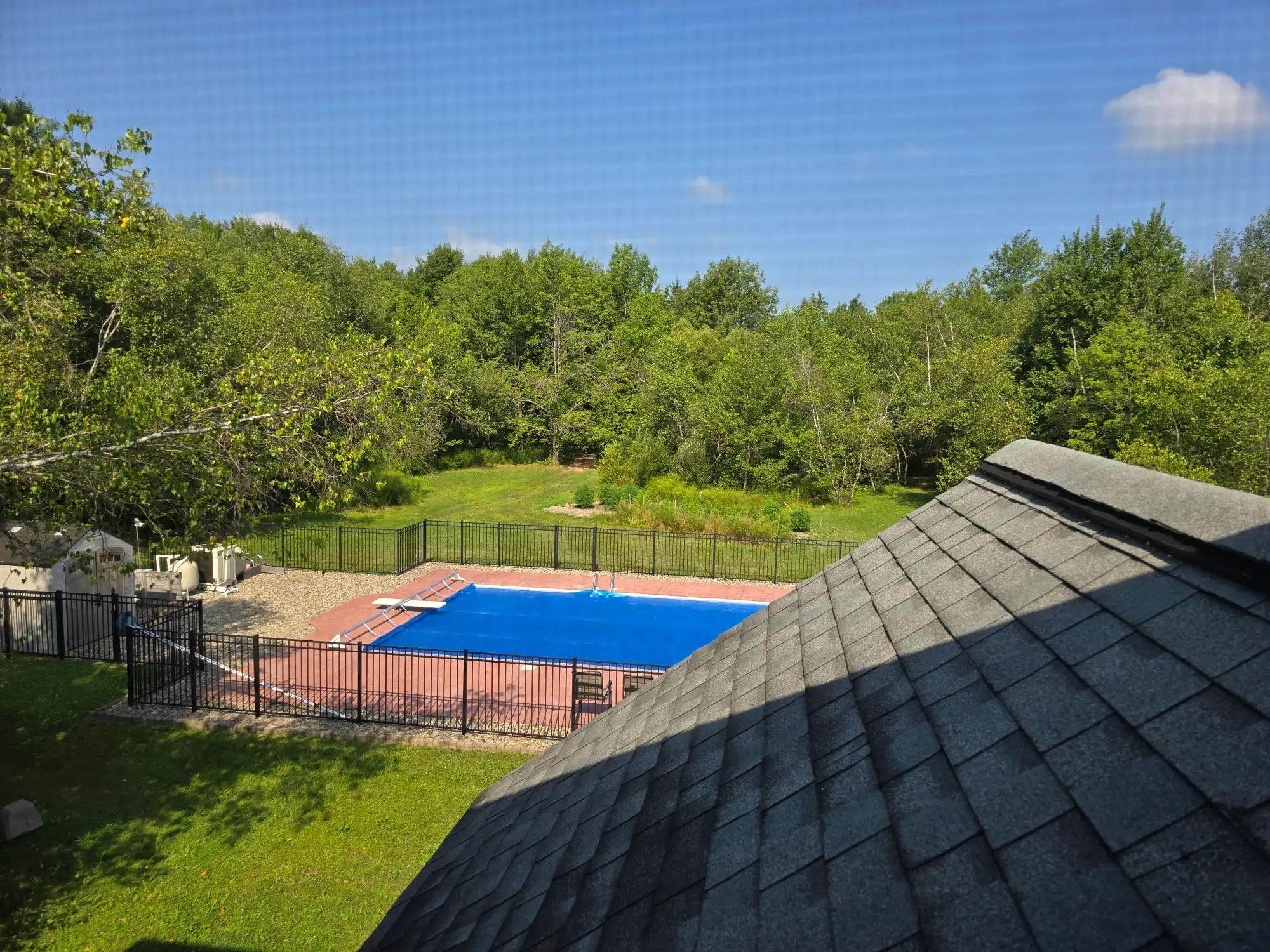
The scope depends on the type of pond and the site conditions, but a typical pond excavation project includes some or all of the following:
Site evaluation: Assessing soil type, drainage patterns, water table depth, and proximity to streams or wetlands. Identifying any permit requirements before construction.
Clearing and stripping: Removing trees, brush, and topsoil from the pond footprint and surrounding work area. Topsoil stockpiled for later use on banks and disturbed areas.
Excavation: Digging the pond basin to the specified depth, shape, and profile. Creating shelves, benches, and bank slopes as needed for the intended use.
Spoils management: Excavated material is used on-site for dam construction, bank building, or grading, or hauled off-site if excess material is not needed.
Spillway and overflow construction: Installing a spillway or overflow pipe to handle excess water during heavy rain. Properly sized spillways prevent dam failure and downstream erosion.
Bank grading and stabilization: Shaping the banks to a stable slope, applying topsoil, and seeding or riprapping to prevent erosion.
Final grading: Grading the area around the pond for access, drainage away from structures, and equipment routes.
Excavation and Site Work Across Every Job Type
Seven service types covering every excavation need — residential, commercial, municipal, and industrial. If it involves moving earth, managing water, or building infrastructure, Hale handles it.
Site Preparation
Land clearing, building pad prep, topsoil work, subgrade, and final cleanup


Grading
Rough and finish grading, lot leveling, slope correction, drainage grading, and retaining walls

Drainage Solutions
French drains, catch basins, culverts, dry wells, and stormwater management
Septic Systems
New installation, repair and replacement, leach field work, and emergency service
Underground Utilities
Water and sewer lines, HDPE pipe fusion, utility trenching, and storm drains
Commercial Maintenance
Site maintenance, snow plowing, commercial mowing, and landfill maintenance
Related Services
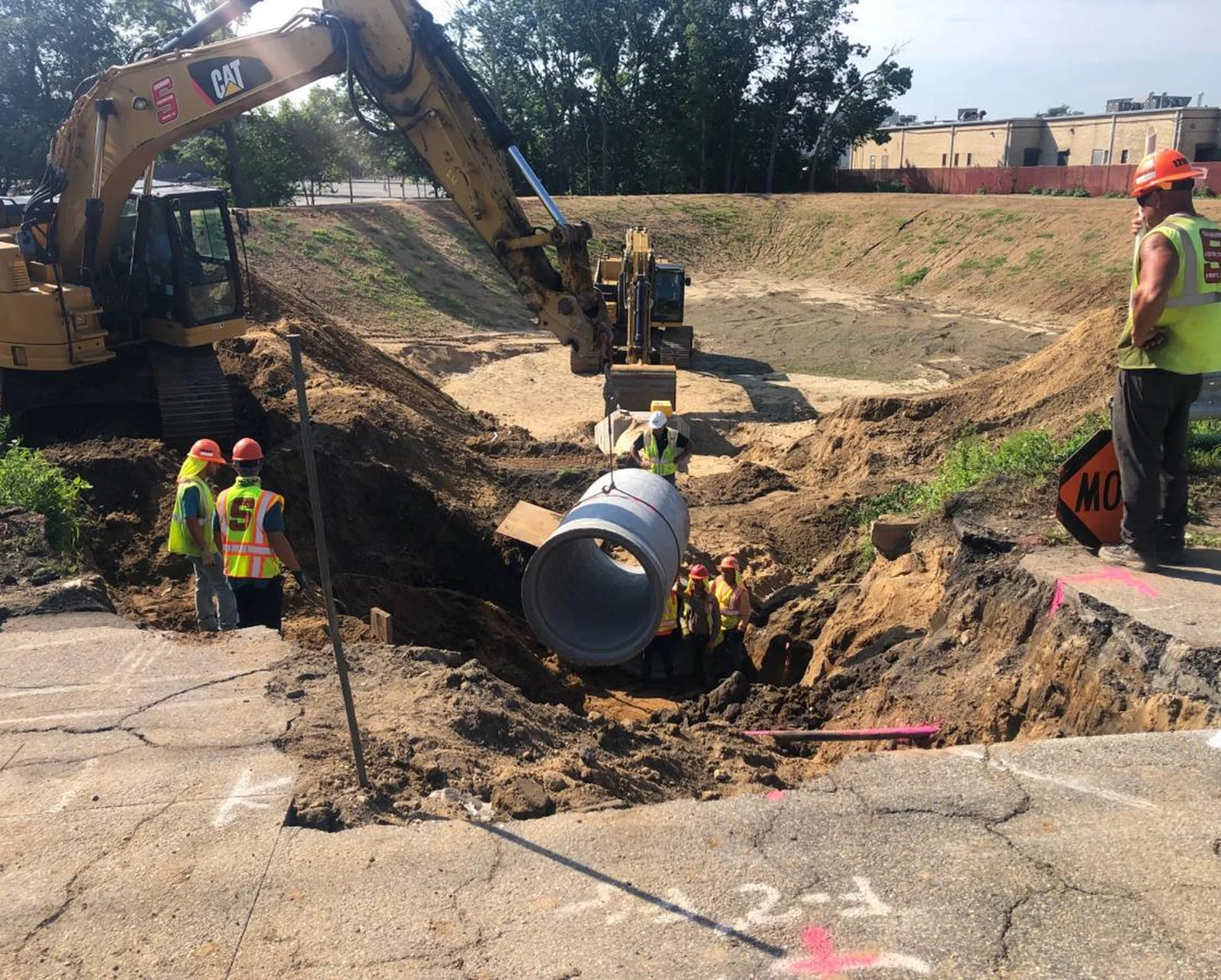
Retention and detention ponds are part of our drainage and stormwater services. If your pond is part of a stormwater management system, we coordinate it with the rest of the drainage plan.
Pond construction includes grading the surrounding area for access, drainage, and erosion prevention. We handle both the pond excavation and the finish grading around it.
Many pond projects start with land clearing and site prep. We clear the pond area, strip topsoil, and prepare the site before excavation begins.
Get in touch
Three Decades of Major Project Experience
Hale Excavation LLC is a new venture led by Eric Hale, who brings extensive experience in landfill construction, environmental remediation, road construction, and federal projects. He has worked with the U.S. Army Corps of Engineers, the U.S. Forest Service, the Air Force, and major environmental firms throughout his career.
1991
Laborer & Surveyor
- Auburn, NY · Cayuga County
Eric returned from the Army to work full-time in construction while staying in the Army Reserves. Joined the apprenticeship program to become a certified operating engineer during this project (completed 1997, a certification he still holds).
1993
Laborer · Surveyor · Heavy Equipment Operator
- Malone, NY · Franklin County
Eric took on expanded field responsibilities on this project, working across three trades: laborer, surveyor, and heavy equipment operator.
1994
Laborer · Surveyor · Heavy Equipment Operator
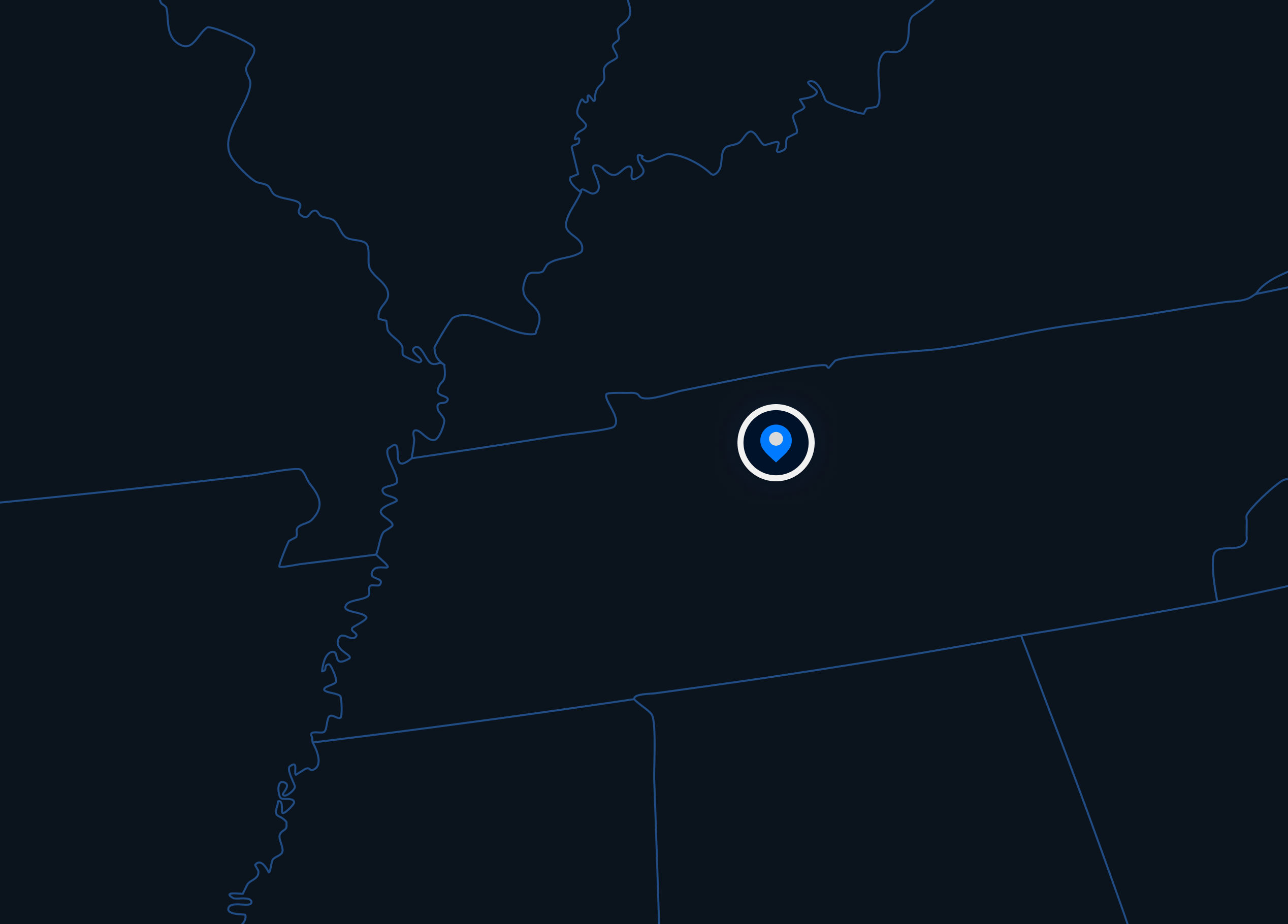
- Frankfort, NY · Herkimer County
Constructed leachate collection and site drainage in 1994–95. Landfill closure completed in 1996. Gas removal windmill built in 1997. Eric worked across all phases of this multi-year project.
1998
Superintendent (First Time)
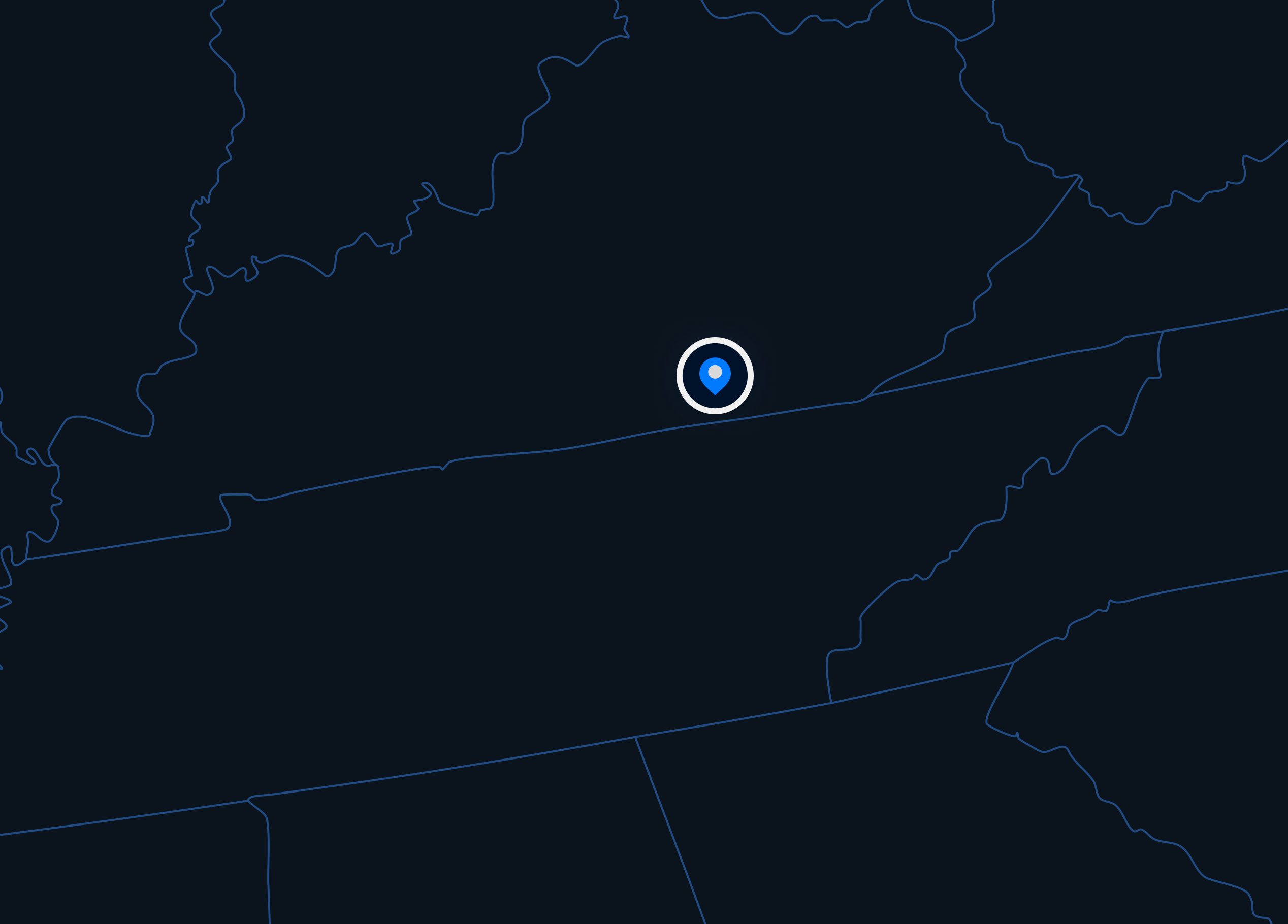
- Sodus, NY · Wayne County
Eric’s first job as a project superintendent — the beginning of his transition from the field to project leadership.
2008
Superintendent
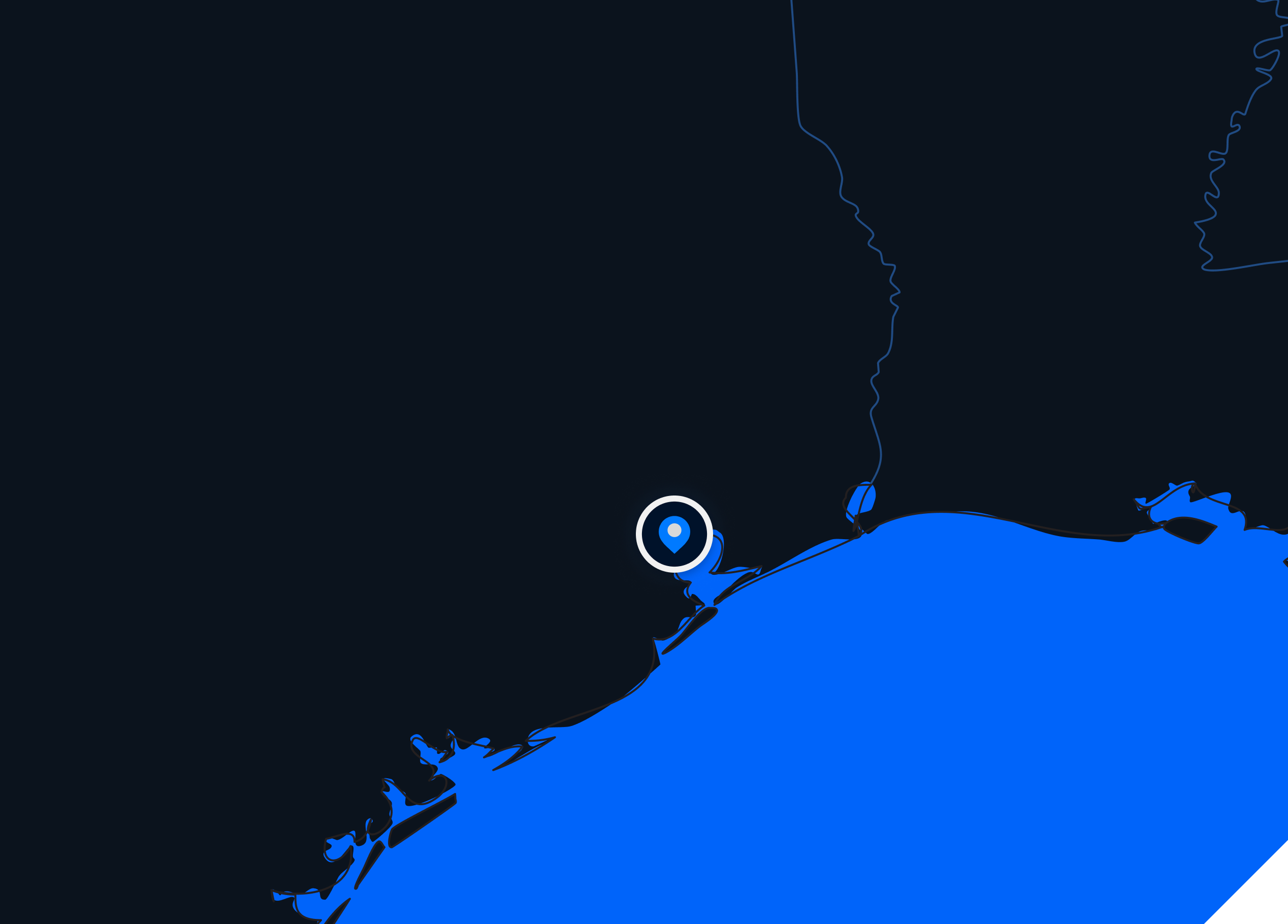
- Wampsville, NY · Madison County
Cell 7 liner system construction on the Madison County Landfill. By this point Eric was running full field operations independently.
2012
Project Manager (First Time)
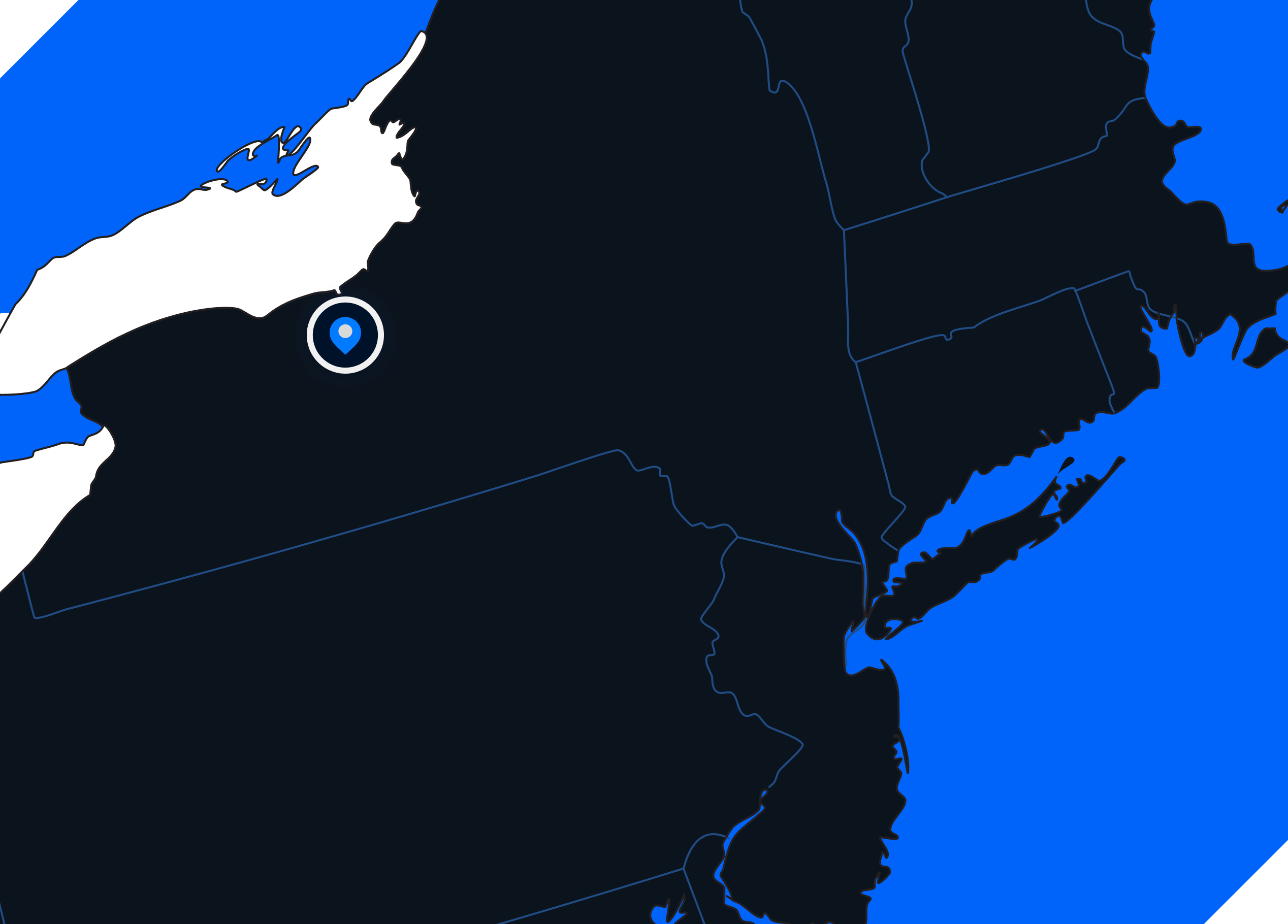
- Stanley, NY (Ontario County) + Morrisonville, NY (Clinton County)
Two of the largest projects Eric managed in his first year as a project manager. He worked on several other projects that year, but these were the biggest. Marks his transition from field superintendent to full project management.
2022
Senior Project Manager
- Middlesboro, KY + McGuire Air Force Base, NJ
2022 marked the first time Eric ever worked outside of New York State. He worked as senior project manager on both federal projects, plus several others that year.
2025
Founder · Owner · Director of Operations
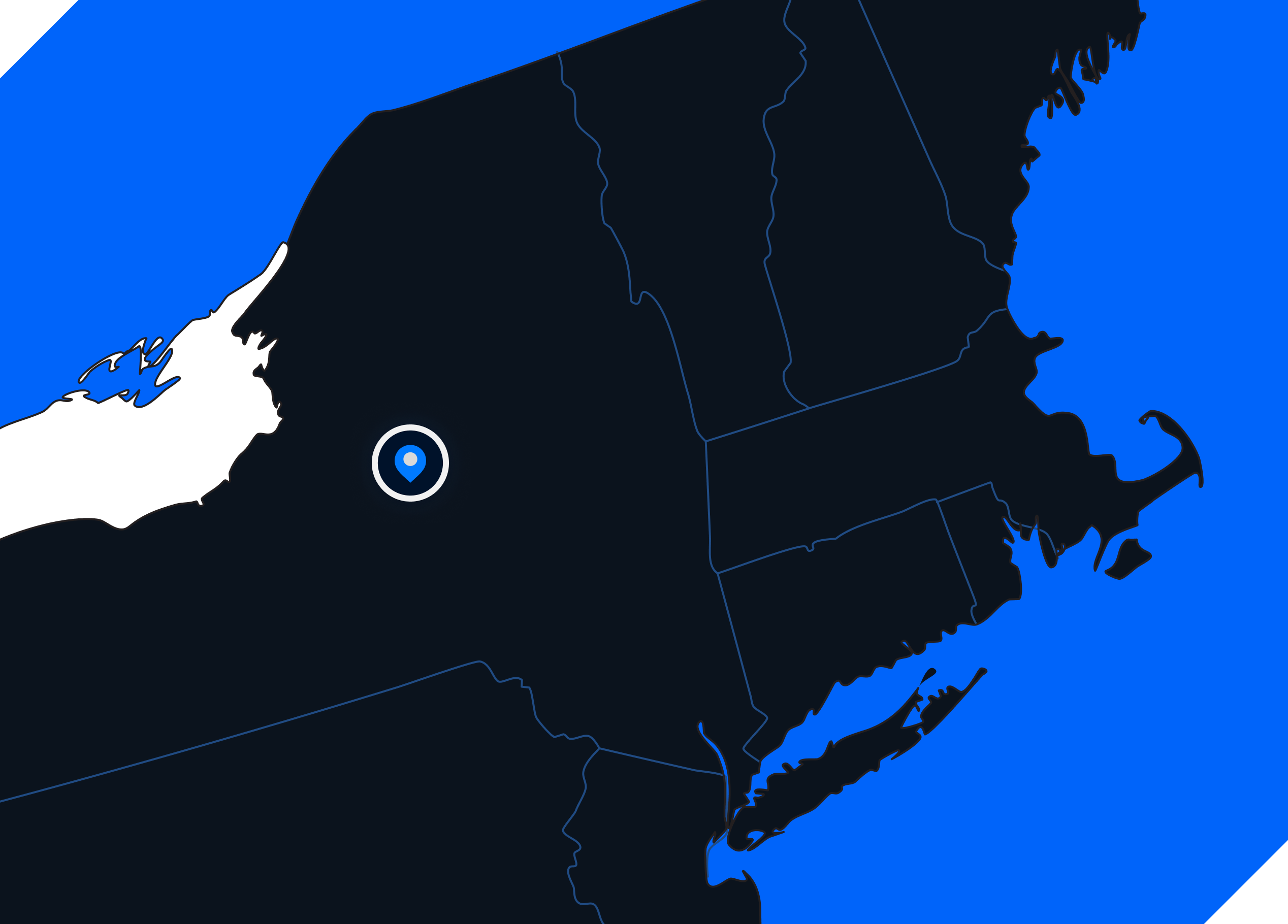
- Sauquoit, NY · Oneida County
Eric founds Hale Excavation LLC — bringing 35 years of experience home to Central New York. From here we serve Oneida County, the Mohawk Valley, Herkimer, Madison, and surrounding counties. The scale is more personal now. The standards, work ethic, and project management discipline are exactly the same.
Projects listed above were completed under previous employers. They represent Eric Hale’s personal project resume and experience. Hale Excavation LLC was founded in November 2025.


Serving Central New York and the Mohawk Valley
From Utica and Rome through the Mohawk Valley, north into Lewis County, west across Onondaga, south into Chenango and Cortland — we work the full Central New York region. Our home base is Sauquoit, and our standard service radius is one to two hours from Utica. For the right project, we travel further.


How much does it cost to dig a pond?
Pond excavation cost depends on the size, depth, soil conditions, clearing required, and spoils management. A small residential fishing pond and a multi-acre farm pond are very different scopes. We provide free on-site estimates with a clear breakdown for every project.
Do I need a permit to build a pond in New York?
It depends on the location and construction method. Ponds built by constructing a dam require an engineer’s design. Ponds near streams, wetlands, or floodplains may need DEC or Army Corps permits. We help you determine what approvals are needed before work starts.
How deep should a fishing pond be?
In Central New York, a fishing pond should be at least 8 to 12 feet deep at its deepest point to prevent winter freeze-out. Shallower shelves around the edges support aquatic plants and provide habitat. We dig to the depth your site allows, and your goals require.
Can you fix a pond that no longer holds water?
In many cases, yes. If the pond has silted in, we can dredge and reshape it. If the pond leaks due to soil conditions, options include compacting the bottom, adding a clay liner, or installing a synthetic liner. We evaluate the cause and recommend the right solution.
How do I get a free estimate for pond excavation?
Call us at (315) 982-3673 or contact us online. We visit your property, evaluate the site conditions and your goals, and provide a written estimate covering excavation, grading, spillway, and bank stabilization.
Pond Excavation Questions