Skip to content

Leach Field Services in Oneida County & Central New York
When the Field Fails, the Whole System Stops
Leach field and drain field services in Oneida County and Central New York. Replacement, repair, extension, and troubleshooting. Full excavation and restoration.










Leach Field Services Across Central New York
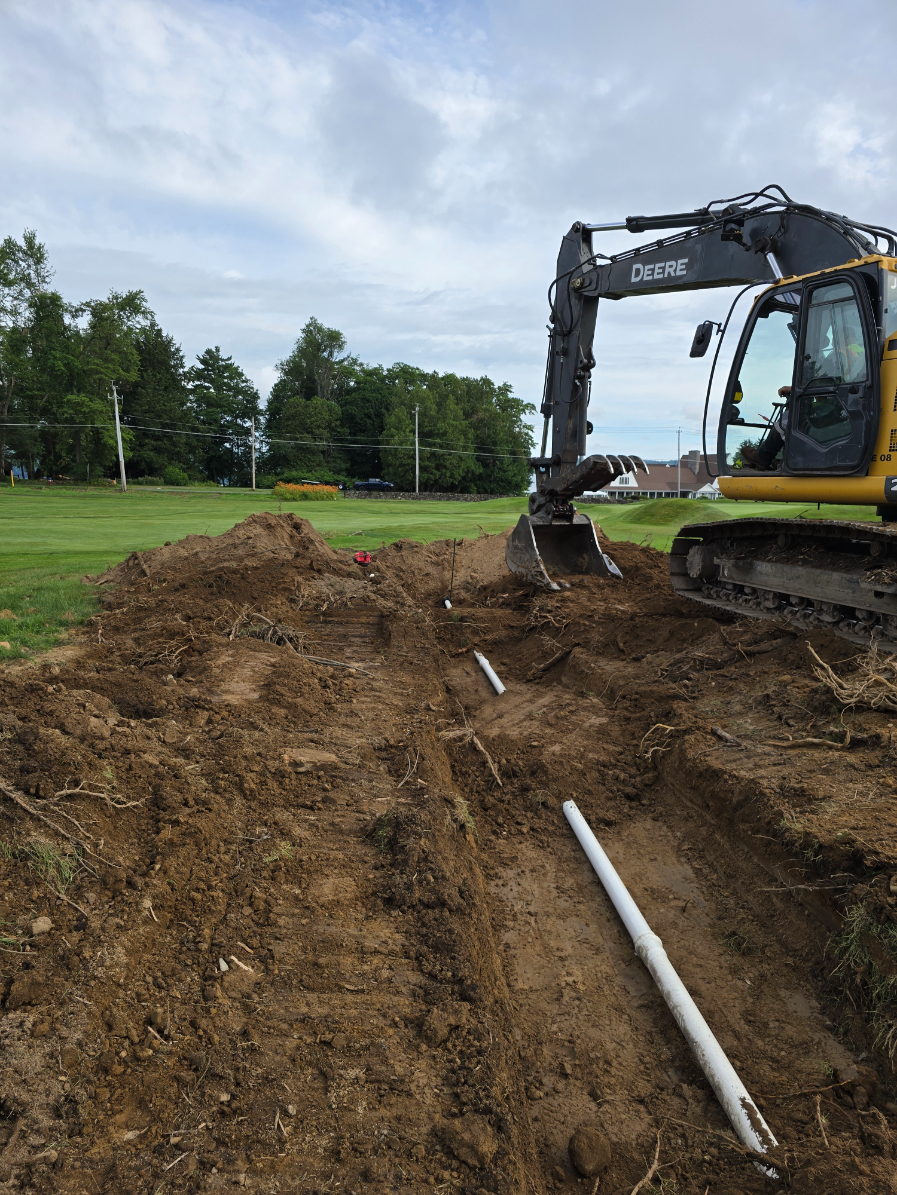
A leach field (also called a drain field or absorption field) receives liquid effluent from the septic tank and distributes it into the soil for natural treatment and absorption. When the field fails, effluent has nowhere to go. It backs up into the tank, surfaces in the yard, or causes sewage to back up into the house. Leach field failure is the most serious and most costly septic problem a homeowner can face.
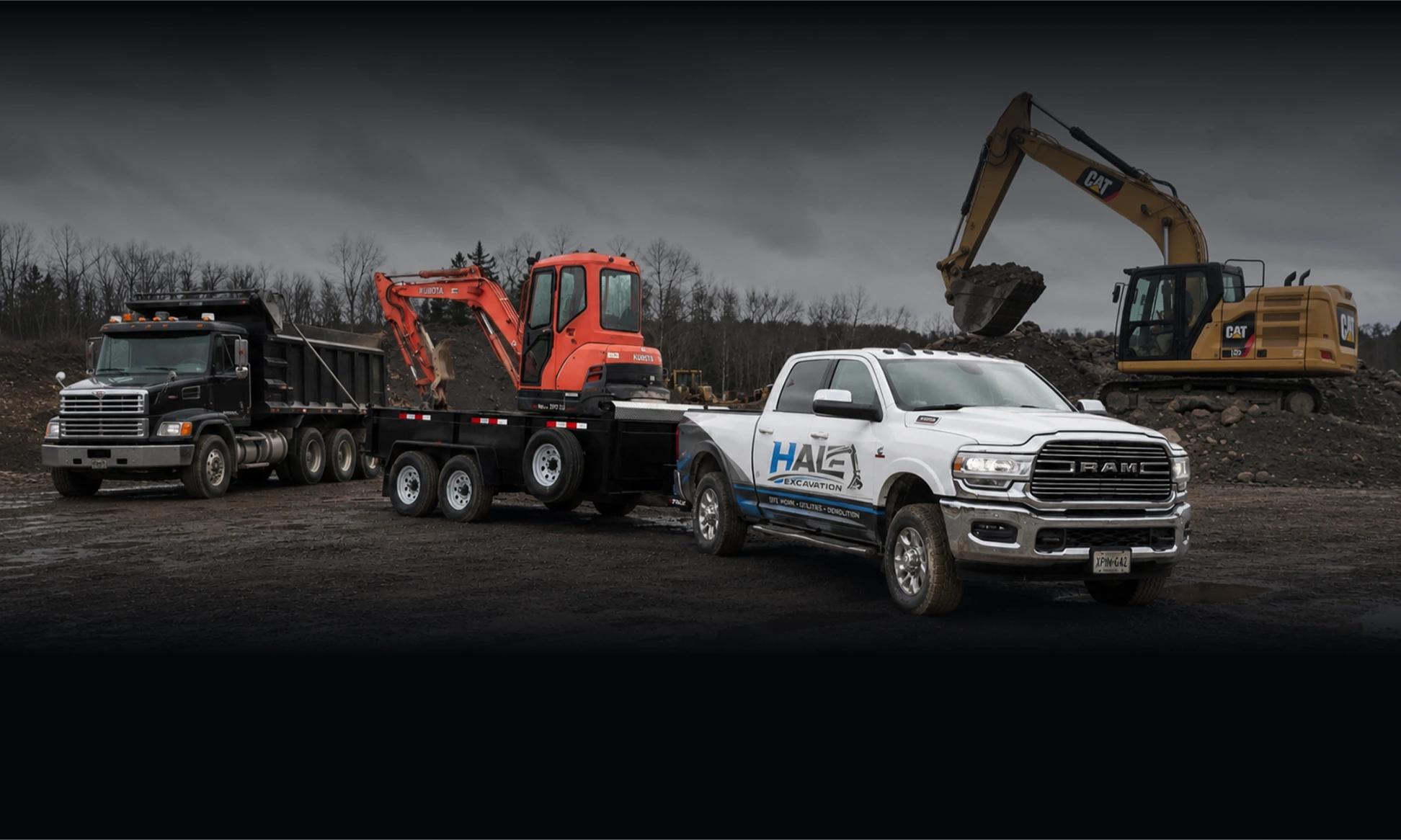
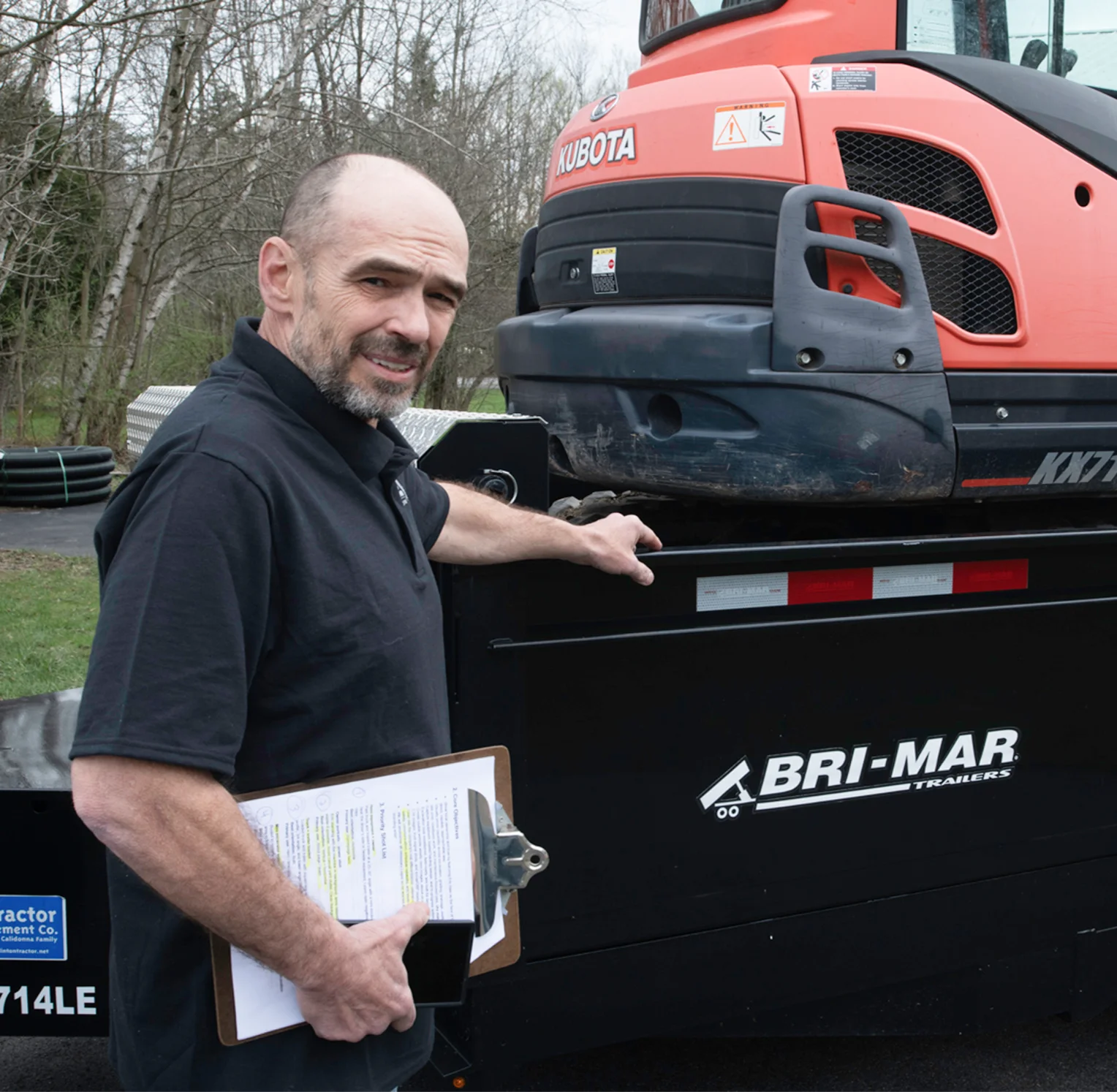
Hale Excavation is a veteran-owned, licensed, and insured septic contractor with over 35 years of construction experience. We handle every aspect of leach field work: evaluating the failure, determining whether repair or replacement is needed, excavating the old field, installing the new system to Health Department specifications, and restoring the site.
Leach field failures are common on older properties in Central New York where the original systems were installed decades ago. Clay-heavy soils, high water tables during spring, and systems that were undersized for their household load all contribute to premature field failure. We serve homeowners throughout Oneida County, Herkimer County, Madison County, and the surrounding region. Free estimates and free consultations on every leach field project.


Signs You Leach Field Is Failing
Soggy, Wet Ground Above the Drain Field Area
If the ground over your leach field is spongy, wet, or noticeably greener than the surrounding yard, effluent is rising to the surface instead of absorbing into the soil. This means the field is saturated, clogged, or has lost its absorption capacity. The soil can no longer accept the volume of liquid the tank is sending to it.
Sewage Odor in the Yard, Especially Near the Field
A healthy leach field does not produce noticeable odor at the surface. If you smell sewage in the yard near the field area, effluent is not being absorbed properly and is pooling close to the surface. This is both a health concern and a sign that the field needs evaluation.
Slow Drains and Gurgling Toilets Throughout the House
When the leach field cannot accept effluent, the entire system backs up. The tank fills, the outlet is submerged, and wastewater has nowhere to go. The result is slow drains, gurgling sounds, and eventually backup into the lowest fixtures in the house.
The Septic Tank Fills Up Quickly After Pumping
If the tank is pumped and fills back to capacity within weeks or months, the leach field is not draining. The liquid portion of the waste is supposed to flow out to the field, leaving the tank at a manageable level between pumpings. A rapidly refilling tank is one of the clearest indicators of field failure.
The System Is 20 to 30 Years Old and Has Never Had Field Work
Leach fields have a limited lifespan. Conventional gravel-and-pipe fields typically last 15 to 25 years, depending on soil conditions, maintenance, and usage. A system that is approaching or past that age range should be evaluated proactively, especially if any of the symptoms above are starting to appear.
Types of Leach Field Work We Handle
- Full Leach Field Replacement
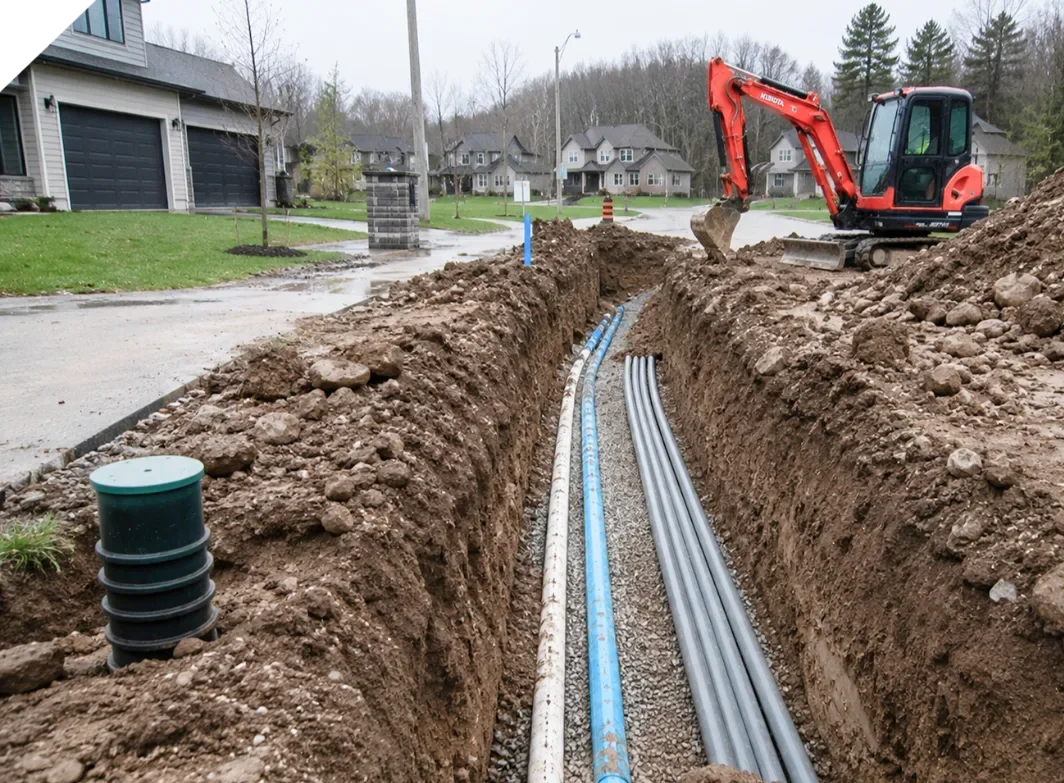
Removing the failed field and installing a completely new one. We excavate the old field, remove the pipe and gravel or chambers, inspect the distribution box, install new field trenches or chambers in a new location or the same footprint, reconnect to the D-box, backfill, compact, and grade. The new field is built to current Health Department specifications and inspected before backfill.
- Drain Field Line Repair
When one or two specific laterals in the field have failed, but the rest of the system is still functioning, targeted line repair may be possible. We excavate to the failed section, assess the condition of the pipe and surrounding soil, and repair or replace the damaged laterals. This is a lower-cost option when the failure is localized.
- Field Extension and Additional Trenches
When the existing field is undersized for the household load or the soil conditions have changed, adding additional trenches extends the absorption area. This is sometimes an option when the field is partially functioning but cannot keep up with the volume. The extension must be approved by the Health Department and meet current design standards.
- Leach Field Troubleshooting and Evaluation
Not every leach field symptom means the field has failed. Saturated soil from surface drainage, a blocked distribution box, or a problem in the tank can mimic field failure. We excavate to inspect the D-box and field connections, evaluate soil conditions, and determine whether the field itself is the problem or whether the issue is upstream.
Why Professional Leach Field Work Matters
It Starts with the Right Diagnosis
Replacing a leach field is expensive. If the actual problem is a failed distribution box, a blocked outlet line, or poor surface drainage saturating the field from above, replacing the field will not fix it. We evaluate the entire system before recommending field replacement to make sure the field is actually the failed component.
The Replacement Field Has to Be Built Correctly
A replacement leach field that is installed at the wrong depth, with the wrong materials, or in soil that cannot support it will fail again. We install to the Health Department approved design, use the specified materials (gravel, chambers, pipe, fabric), and build to the grades and dimensions in the plan. The field is inspected before backfill.
The Yard Has to Be Restored After the Work
Leach field replacement tears up a large portion of the yard. When we finish, we backfill the entire area, compact to prevent settling, grade the surface for proper drainage away from the field, and leave the site ready for topsoil and seed. A field that settles because the backfill was not compacted properly creates drainage problems on top of the repair.
It Has to Last Another 20 to 25 Years
A properly designed and installed leach field in suitable soil conditions will function for decades. Cutting corners on materials, depth, or installation quality shortens that lifespan and leads to a repeat failure. We build the field to last because replacing it twice is not an option any homeowner wants.
What Leach Field Work Includes
The scope depends on whether the project is a repair, replacement, or extension, but typical leach field work includes:
System evaluation: Pumping the tank (coordinated with the pumper), inspecting the distribution box, and excavating to evaluate the condition of the field laterals and surrounding soil.
Health Department coordination: For full replacements and extensions, the Health Department must approve the design and inspect the installation. We handle permitting and inspection scheduling.
Old field removal (for replacements): Excavating the failed field, removing pipe, gravel, or chambers, and hauling debris off-site or stockpiling it for disposal.
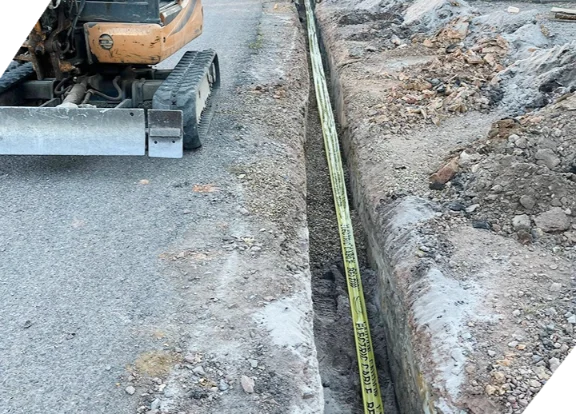
New field installation: Excavating new trenches, placing gravel bed or chambers, installing distribution pipe at the correct slope, covering with filter fabric and soil. All work follows the approved design.
Distribution box inspection or replacement: The D-box is inspected during every field project. If it is cracked, tilted, or blocked, it is replaced as part of the repair.
Backfill, compaction, and grading: Filling the field area, compacting to prevent settling, and grading the surface so water drains away from the field and does not pond above it.
Surface restoration: Applying topsoil and preparing the area for seeding or sod. The field area must be protected from vehicle traffic and heavy equipment after installation.
Excavation and Site Work Across Every Job Type
Seven service types covering every excavation need — residential, commercial, municipal, and industrial. If it involves moving earth, managing water, or building infrastructure, Hale handles it.
Site Preparation
Land clearing, building pad prep, topsoil work, subgrade, and final cleanup


Grading
Rough and finish grading, lot leveling, slope correction, drainage grading, and retaining walls

Drainage Solutions
French drains, catch basins, culverts, dry wells, and stormwater management
Septic Systems
New installation, repair and replacement, leach field work, and emergency service
Underground Utilities
Water and sewer lines, HDPE pipe fusion, utility trenching, and storm drains
Commercial Maintenance
Site maintenance, snow plowing, commercial mowing, and landfill maintenance
Related Services
Leach field work is part of our full septic service offering, which also includes new installation and component repair.
If the problem is in the tank, lines, or distribution box rather than the field itself, targeted repair may be the solution.
Poor surface drainage around the leach field accelerates failure. Regrading, French drains, or catch basins can protect the field by diverting surface water away from it.
Get in touch
Three Decades of Major Project Experience
Hale Excavation LLC is a new venture led by Eric Hale, who brings extensive experience in landfill construction, environmental remediation, road construction, and federal projects. He has worked with the U.S. Army Corps of Engineers, the U.S. Forest Service, the Air Force, and major environmental firms throughout his career.
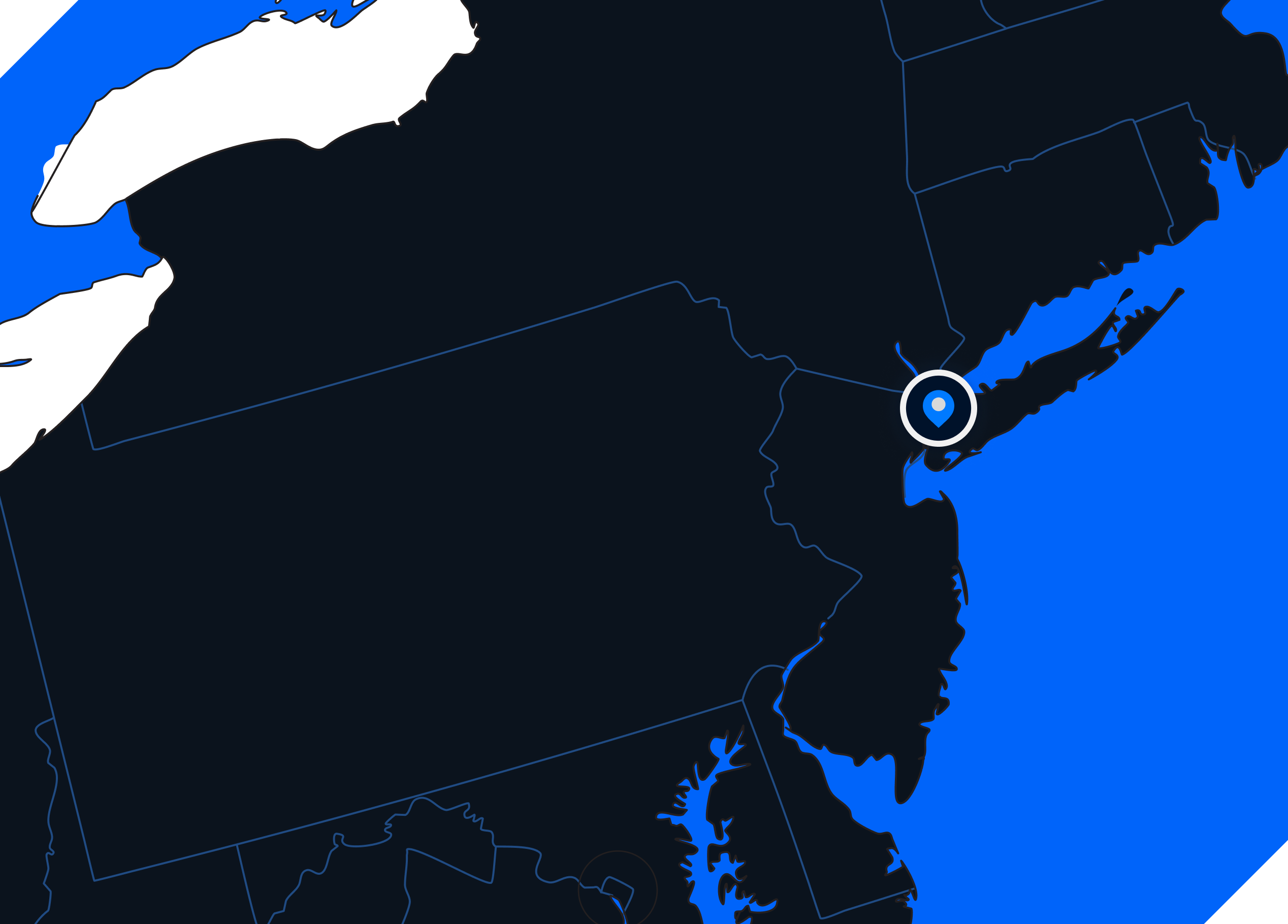
1991
Laborer & Surveyor
- Auburn, NY · Cayuga County
Eric returned from the Army to work full-time in construction while staying in the Army Reserves. Joined the apprenticeship program to become a certified operating engineer during this project (completed 1997, a certification he still holds).
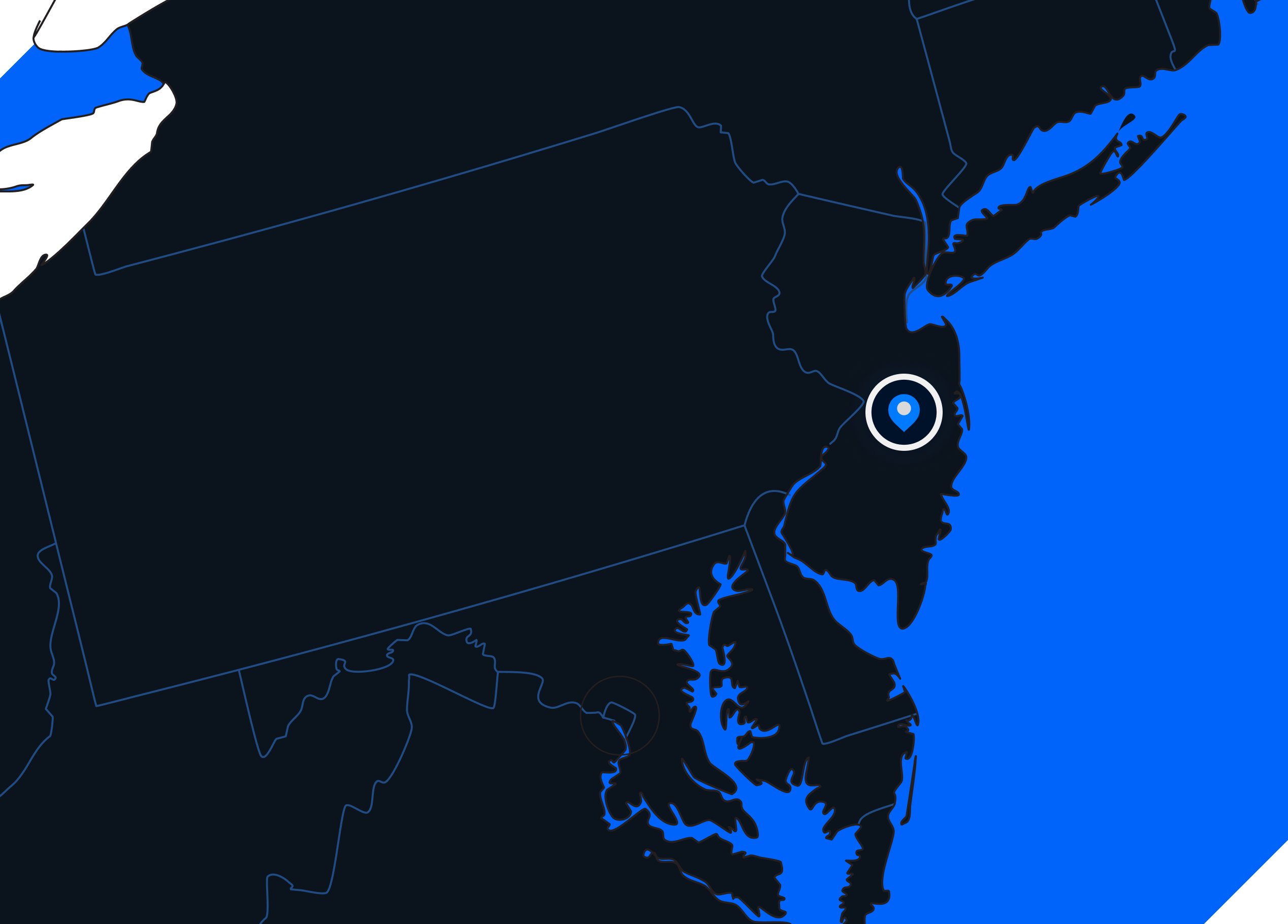
1993
Laborer · Surveyor · Heavy Equipment Operator
- Malone, NY · Franklin County
Eric took on expanded field responsibilities on this project, working across three trades: laborer, surveyor, and heavy equipment operator.
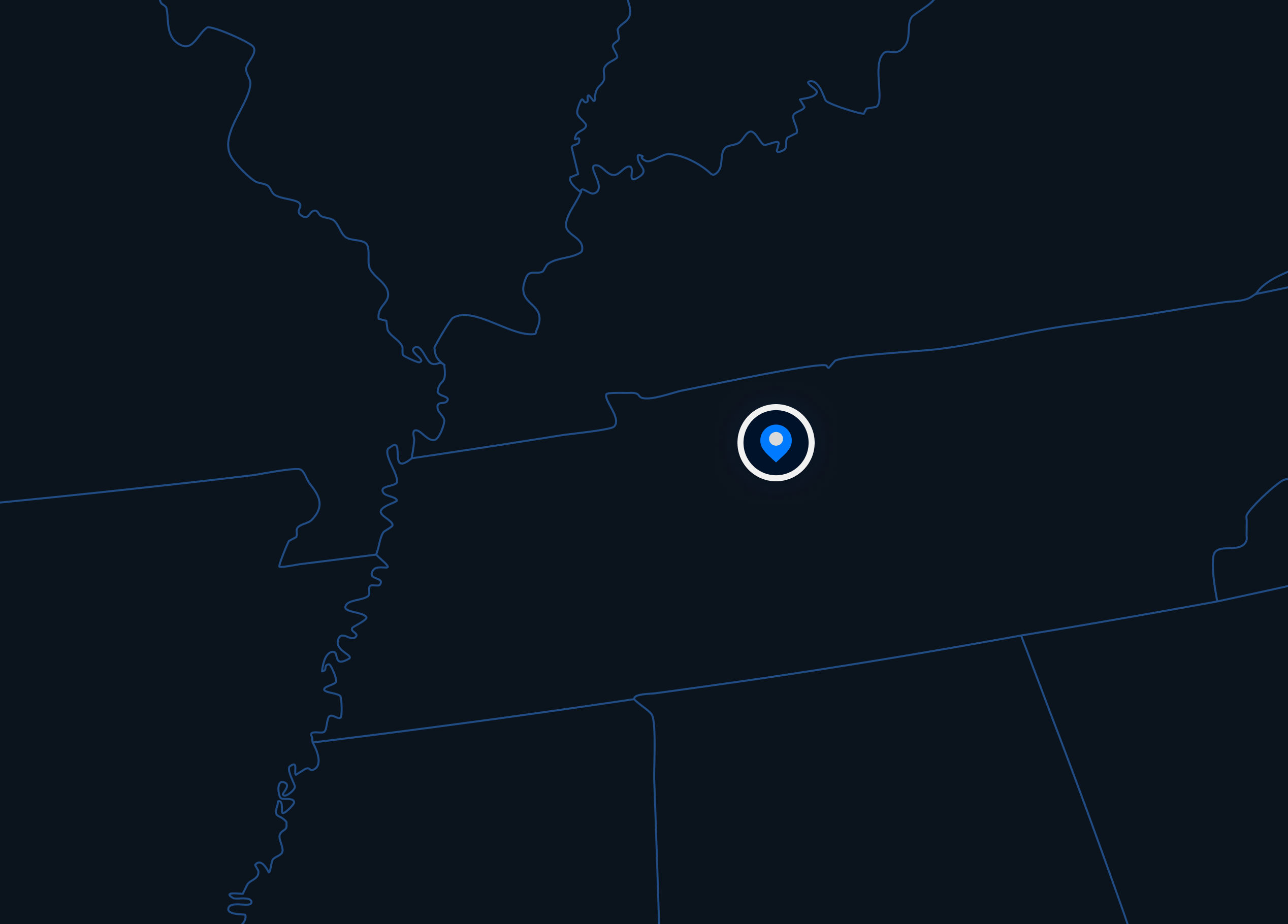
1994
Laborer · Surveyor · Heavy Equipment Operator
- Frankfort, NY · Herkimer County
Constructed leachate collection and site drainage in 1994–95. Landfill closure completed in 1996. Gas removal windmill built in 1997. Eric worked across all phases of this multi-year project.
1998
Superintendent (First Time)
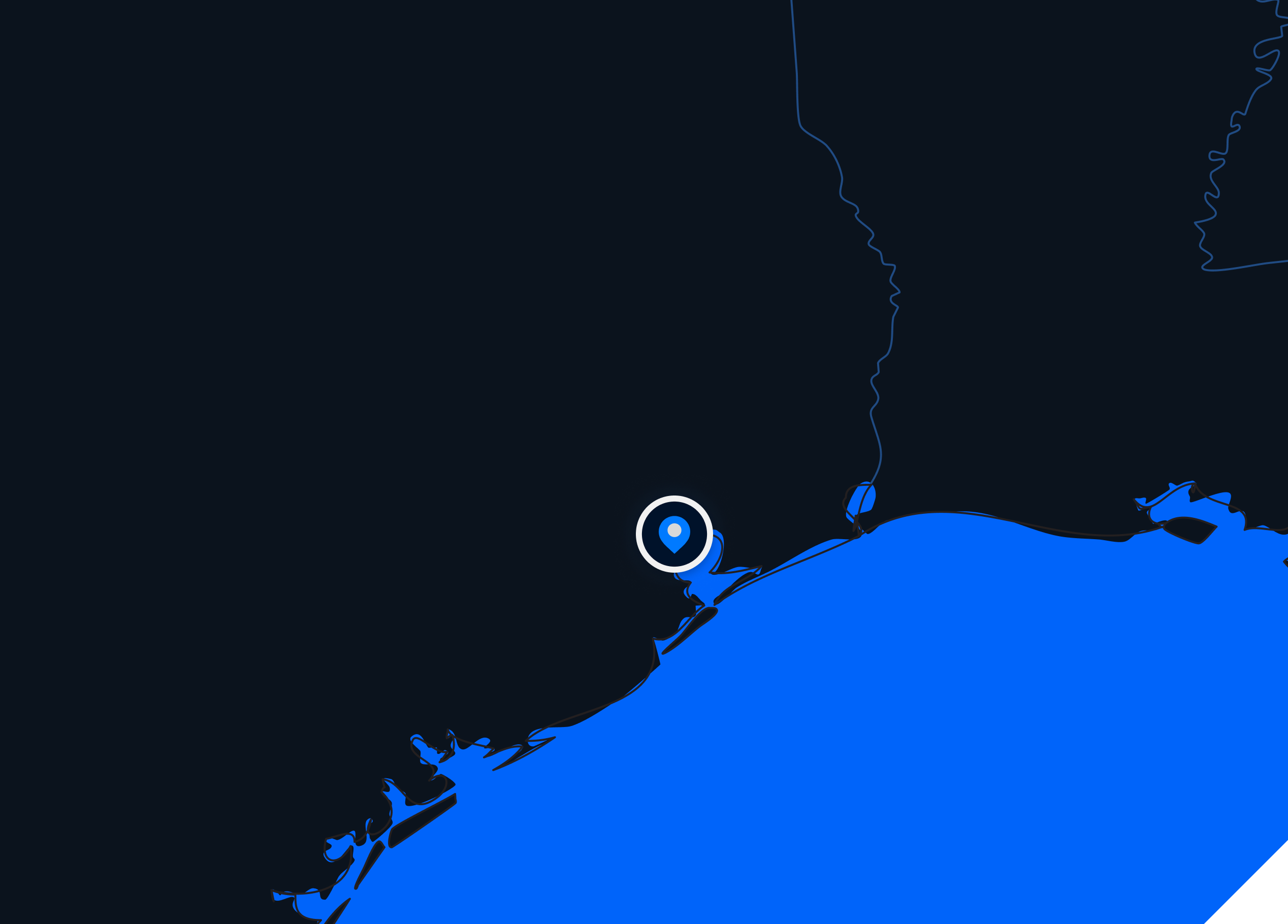
- Sodus, NY · Wayne County
Eric’s first job as a project superintendent — the beginning of his transition from the field to project leadership.
2008
Superintendent
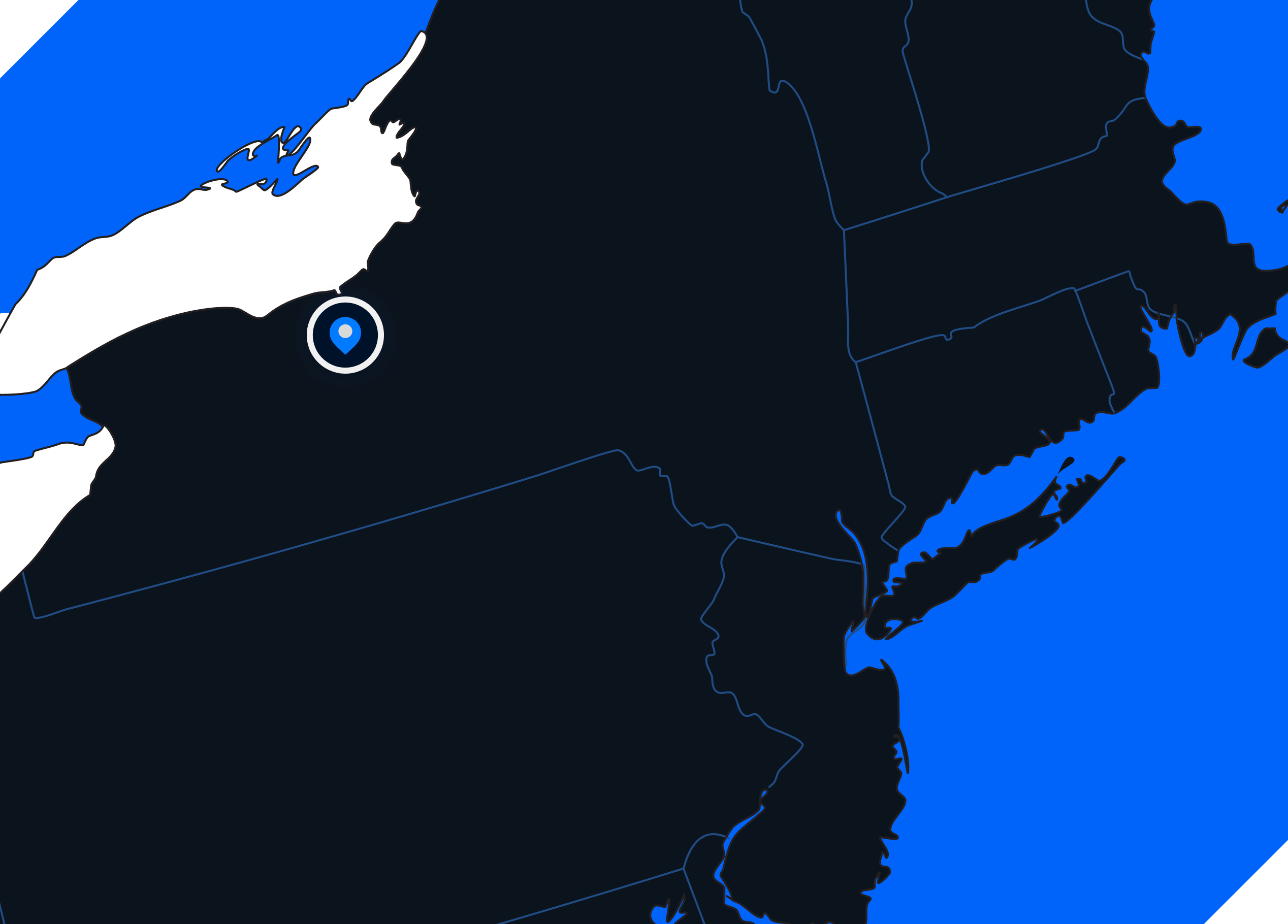
- Wampsville, NY · Madison County
Cell 7 liner system construction on the Madison County Landfill. By this point Eric was running full field operations independently.
2012
Project Manager (First Time)
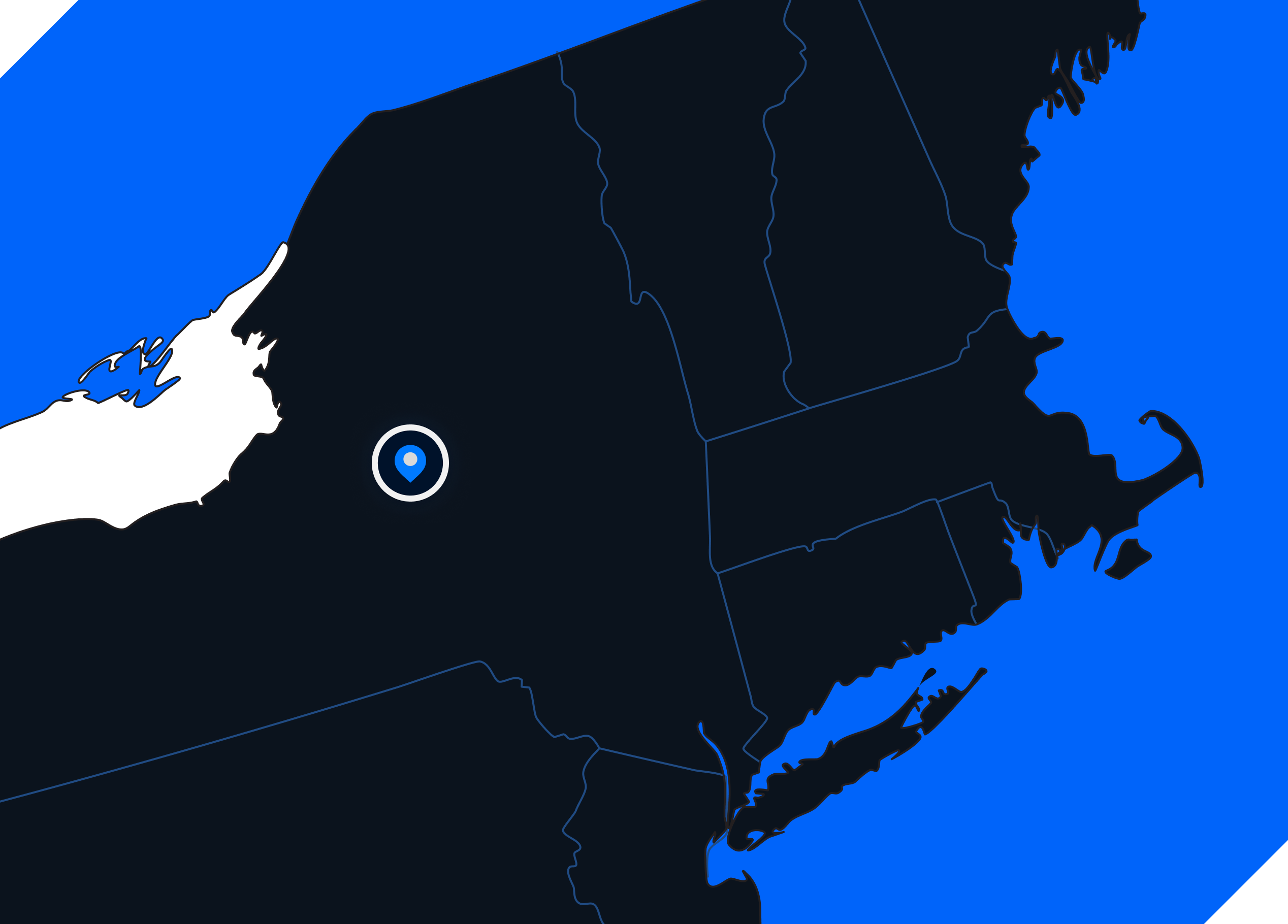
- Stanley, NY (Ontario County) + Morrisonville, NY (Clinton County)
Two of the largest projects Eric managed in his first year as a project manager. He worked on several other projects that year, but these were the biggest. Marks his transition from field superintendent to full project management.
2022
Senior Project Manager
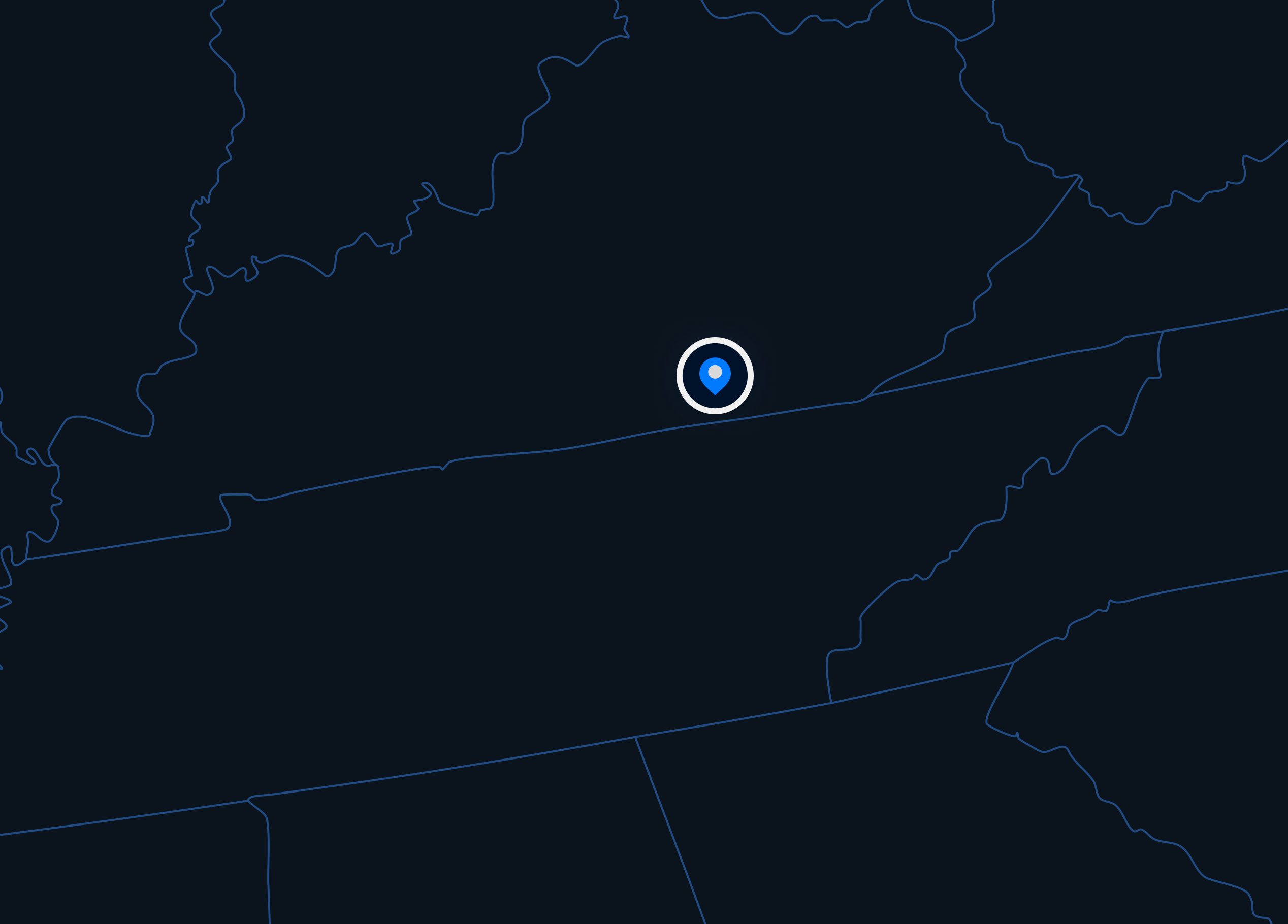
- Middlesboro, KY + McGuire Air Force Base, NJ
2022 marked the first time Eric ever worked outside of New York State. He worked as senior project manager on both federal projects, plus several others that year.
2025
Founder · Owner · Director of Operations
- Sauquoit, NY · Oneida County
Eric founds Hale Excavation LLC — bringing 35 years of experience home to Central New York. From here we serve Oneida County, the Mohawk Valley, Herkimer, Madison, and surrounding counties. The scale is more personal now. The standards, work ethic, and project management discipline are exactly the same.
Projects listed above were completed under previous employers. They represent Eric Hale’s personal project resume and experience. Hale Excavation LLC was founded in November 2025.


Serving Central New York and the Mohawk Valley
From Utica and Rome through the Mohawk Valley, north into Lewis County, west across Onondaga, south into Chenango and Cortland — we work the full Central New York region. Our home base is Sauquoit, and our standard service radius is one to two hours from Utica. For the right project, we travel further.


How much does leach field replacement cost?
Cost depends on the field size, system type (gravel, chamber, mound), soil conditions, and site access. Leach field replacement is typically the most expensive septic repair, but it restores full system function for another 20 to 25 years. We provide free on-site estimates after evaluating the system.
Can a leach field be repaired instead of replaced?
Sometimes. If the failure is limited to one or two laterals, targeted repair may restore function. If the entire field is saturated, clogged, or biomat-covered, full replacement is usually the only lasting solution. We evaluate the field and recommend the most cost-effective approach.
How long does a leach field last?
A properly installed conventional leach field typically lasts 15 to 25 years. Lifespan depends on soil conditions, household usage, maintenance habits, and whether the tank was pumped regularly. Fields in clay-heavy soil or with excessive water use tend to fail earlier.
What causes a leach field to fail?
The most common causes are age, biomat buildup (a biological layer that seals the soil), soil compaction from vehicles or structures on the field, excessive water use, and poor surface drainage that saturates the field from above. Infrequent tank pumping accelerates failure by allowing solids to reach the field.
How do I get a free estimate for leach field work?
Call us at (315) 982-3673 or contact us online. We evaluate the system, identify the cause of failure, and provide a written estimate for repair, replacement, or extension.
Leach Field Questions