Skip to content

HDPE Pipe Fusion Services in Oneida County & Central New York
Certified HDPE Fusion. The Only Local Excavator Who Carries It.
Certified HDPE pipe fusion in Oneida County and Central New York. Butt fusion, electrofusion, municipal water mains, force mains, leachate systems, and industrial piping.








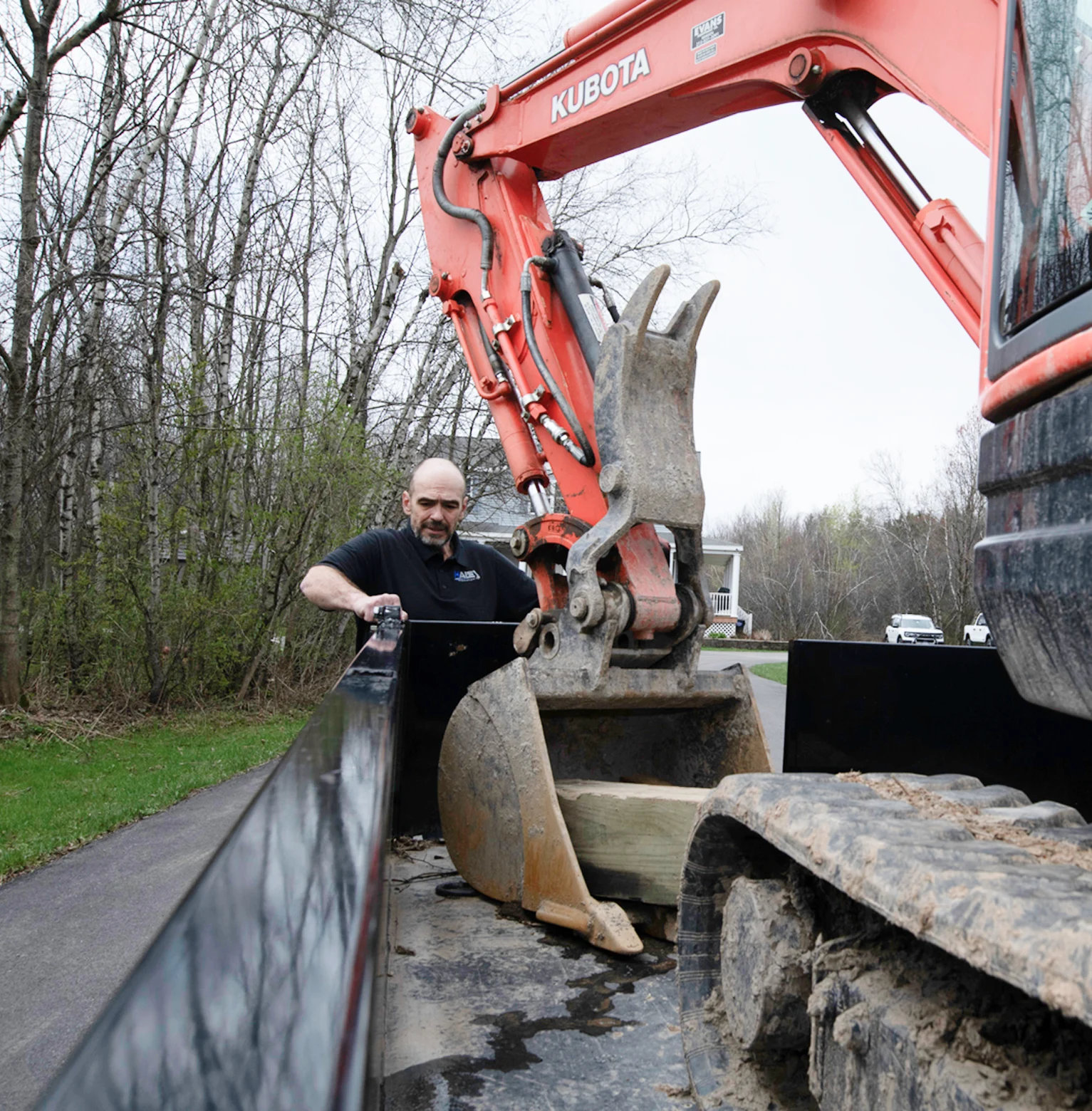
HDPE Pipe Fusion Across Central New York
HDPE pipe is not assembled like PVC or ductile iron. It cannot be glued, threaded, or push-fit together. HDPE sections are joined by heat fusion: the pipe ends are heated to a specific temperature and pressed together under controlled pressure, creating a molecular bond that is as strong as the pipe itself. The result is a single, continuous pipeline with no joints, no gaskets, and no leak points.
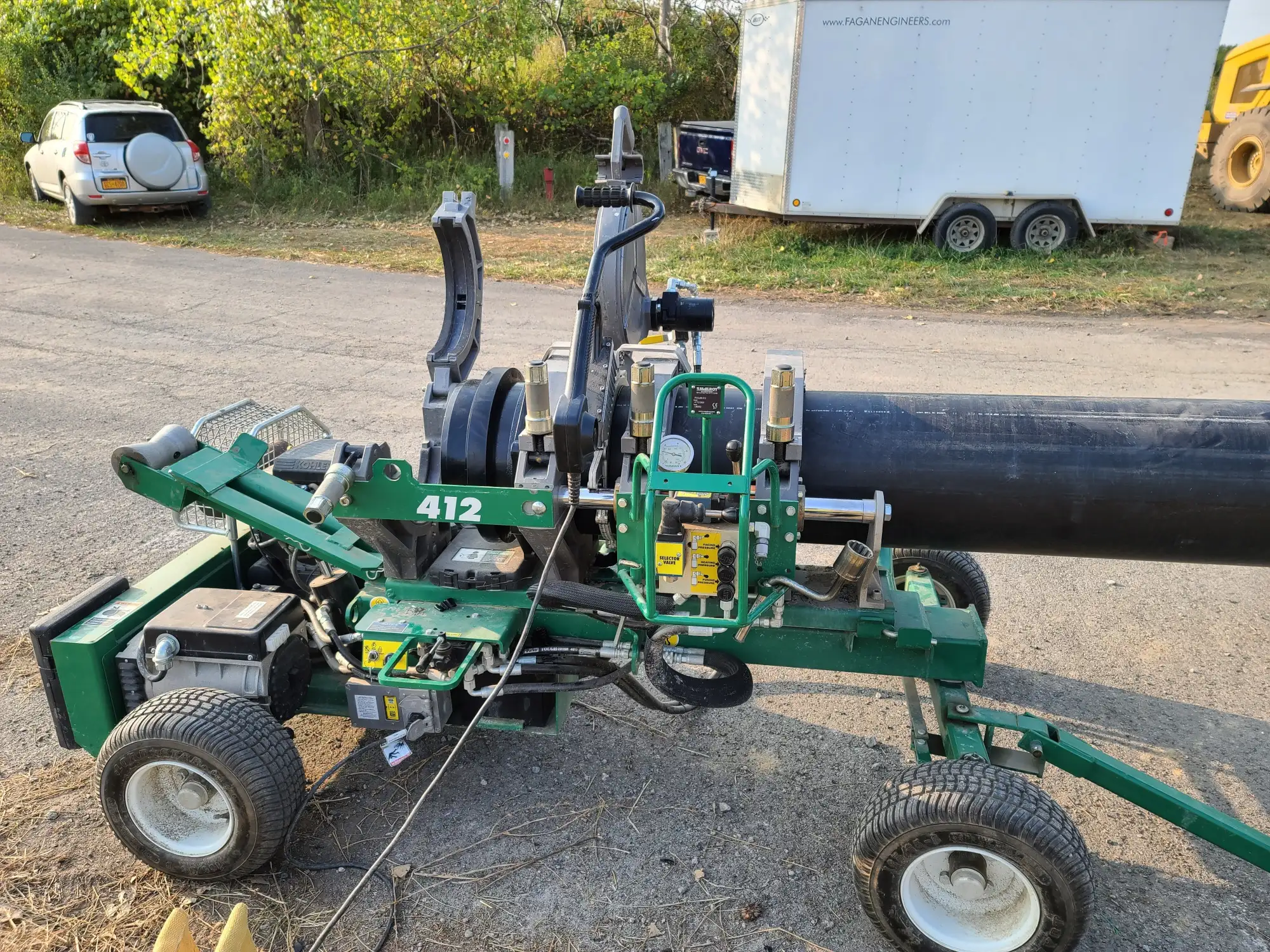
This fusion process requires specialised equipment (a fusion machine, facer, heater plate) and a certified operator who has been trained and tested on the procedure. Our team holds the HDPE pipe welding certification, which means we have demonstrated competency in butt fusion, electrofusion, and the quality control procedures required by the pipe manufacturer and the project engineer.
Hale Excavation is a veteran-owned, licensed, and insured contractor with over 35 years of construction experience. Our owner has installed HDPE pipe on landfill leachate collection systems, municipal water infrastructure, and industrial piping projects. We bring that experience to every HDPE project in Central New York.
We serve municipalities, engineering firms, general contractors, industrial clients, and developers throughout Oneida County, Herkimer County, Madison County, and the surrounding region. Free consultations on any HDPE pipe fusion scope.


When HDPE Pipe Is Specified
The Engineer Specified HDPE for a Municipal Water Main or Force Main
HDPE is increasingly specified for municipal water distribution, transmission mains, and force mains because of its flexibility, corrosion resistance, and leak-free fusion joints. When the project drawings call for HDPE, you need a contractor with a certified fusion operator to install it.
A Landfill or Environmental Site Requires HDPE for Leachate Collection
Landfill leachate collection systems, gas extraction piping, and environmental containment systems use HDPE because it resists the chemical environment that would corrode metal or degrade PVC. Our owner has installed HDPE leachate systems on landfill projects and brings that direct experience to this work.
An Industrial Facility Needs Chemical-Resistant or Corrosion-Resistant Piping
Industrial process piping, chemical transfer lines, and corrosive-environment applications often specify HDPE for its chemical resistance. HDPE handles a wide range of chemicals, acids, and solvents that would attack metal or concrete pipe.
A Long-Run Pipeline Needs Fewer Joints and Higher Reliability
HDPE’s fused joints create a monolithic pipeline with zero mechanical connections over the entire run. For long water mains, force mains, and transmission lines, this means fewer potential leak points and lower long-term maintenance than jointed pipe systems.
The Project Requires Directional Drilling or Trenchless Installation
HDPE’s flexibility allows it to be pulled through directional bores, sliplined through existing pipe, or installed in curved alignments that rigid pipe cannot follow. When the installation method requires a flexible, fused pipeline, HDPE is typically the specified material.

Types of HDPE Fusion Work We Handle
- Municipal Water Main Installation
HDPE water main installation for municipalities, water districts, and public works projects. We fuse pipe on-site using butt fusion equipment, install fittings and transitions to existing infrastructure, and coordinate testing and inspection with the municipal water authority. HDPE water mains are corrosion-free, leak-free at the joints, and rated for service lives exceeding 50 years.
- Force Main & Sewer Main Installation
HDPE force mains for pump stations, lift stations, and pressure sewer systems. Force mains operate under pressure, making leak-free joints critical. Butt fusion provides the strongest, most reliable joint for pressurised wastewater applications. We also install HDPE gravity sewer mains where specified.
- Landfill Leachate & Gas Collection Systems
HDPE piping for leachate collection, leachate transfer, and landfill gas extraction systems. These systems operate in chemically aggressive environments where HDPE’s corrosion resistance is essential. Our owner has direct experience installing HDPE leachate systems on landfill construction and maintenance projects.
- Industrial & Commercial Process Piping
HDPE piping for industrial facilities, wastewater treatment plants, chemical processing, and other commercial applications that require corrosion-resistant, leak-free piping. We fuse and install HDPE pipe to the project engineer’s specifications and coordinate with the facility’s operations team.
Why HDPE Pipe and Certified Fusion Matter
Fused Joints Are Stronger Than the Pipe Itself
A properly fused HDPE joint creates a molecular bond between the two pipe sections. The joint has no gaskets, no mechanical connections, and no potential leak paths. Industry testing shows that a properly fused joint is at least as strong as the surrounding pipe wall. This is why HDPE is specified for critical applications where leaks are unacceptable.
HDPE Does Not Corrode, Rust, or Deteriorate
Unlike ductile iron, steel, or concrete pipe, HDPE does not corrode in acidic soils, saltwater environments, or chemically aggressive conditions. It does not require cathodic protection or interior lining. The HDPE pipe installed today is expected to remain functional for 50 to 100 years in normal service conditions.
HDPE Handles Ground Movement Without Breaking
HDPE is a flexible material that can absorb ground movement, thermal expansion, and minor settlement without cracking or separating at joints. In Central New York, where freeze-thaw cycles shift the soil every year, this flexibility provides a significant advantage over rigid pipe materials.
Certified Operators Ensure Every Joint Meets Specification
HDPE fusion is a controlled process with specific parameters for temperature, pressure, and timing. A certified operator has been trained and tested on these parameters. Improper fusion creates weak joints that can fail under pressure. Our certification means every joint we make meets the manufacturer’s and engineer’s requirements.
What HDPE Pipe Fusion Includes
The scope depends on the project, but typical HDPE pipe fusion work includes:
Pipe staging and layout: HDPE pipe is delivered in long sticks (typically 40 to 50 feet) or coils. We stage the pipe along the trench alignment and prepare it for fusion.
Fusion machine setup: Setting up the butt fusion or electrofusion equipment at the job site. The machine is calibrated for the pipe diameter and wall thickness being fused.
Butt fusion welding: Facing the pipe ends to create clean, parallel surfaces, heating them to the specified temperature with the heater plate, and pressing the ends together under controlled pressure for the specified cooling time. Each joint is logged with fusion parameters.
Electrofusion (where required): Using electrofusion couplings for connections to fittings, transitions, and repairs. The coupling contains a heating element that melts the pipe surfaces together when energised.
Quality control: Inspecting each fused joint visually and, where required by the engineer, testing joints with destructive or non-destructive methods. Fusion parameter logs are maintained for project documentation.
Pipe installation: Lowering the fused pipeline into the trench, positioning it on bedding material, and making connections to existing infrastructure, structures, or equipment.
Backfill and compaction: Backfilling the trench around the HDPE pipe with specified material, compacting in lifts, and restoring the surface.
Excavation and Site Work Across Every Job Type
Seven service types covering every excavation need — residential, commercial, municipal, and industrial. If it involves moving earth, managing water, or building infrastructure, Hale handles it.
Site Preparation
Land clearing, building pad prep, topsoil work, subgrade, and final cleanup


Grading
Rough and finish grading, lot leveling, slope correction, drainage grading, and retaining walls

Drainage Solutions
French drains, catch basins, culverts, dry wells, and stormwater management
Septic Systems
New installation, repair and replacement, leach field work, and emergency service
Underground Utilities
Water and sewer lines, HDPE pipe fusion, utility trenching, and storm drains
Commercial Maintenance
Site maintenance, snow plowing, commercial mowing, and landfill maintenance

Related Services
HDPE pipe fusion is part of our full underground utility service, which also includes water and sewer line installation, storm drains, and municipal infrastructure.
For standard water service lines and sewer laterals that do not require HDPE fusion, we install PVC, copper, and polyethylene pipe.
HDPE is the standard material for landfill leachate collection and gas extraction systems. We install and maintain these systems as part of our landfill services.
Get in touch
Three Decades of Major Project Experience
Hale Excavation LLC is a new venture led by Eric Hale, who brings extensive experience in landfill construction, environmental remediation, road construction, and federal projects. He has worked with the U.S. Army Corps of Engineers, the U.S. Forest Service, the Air Force, and major environmental firms throughout his career.
1991
Laborer & Surveyor
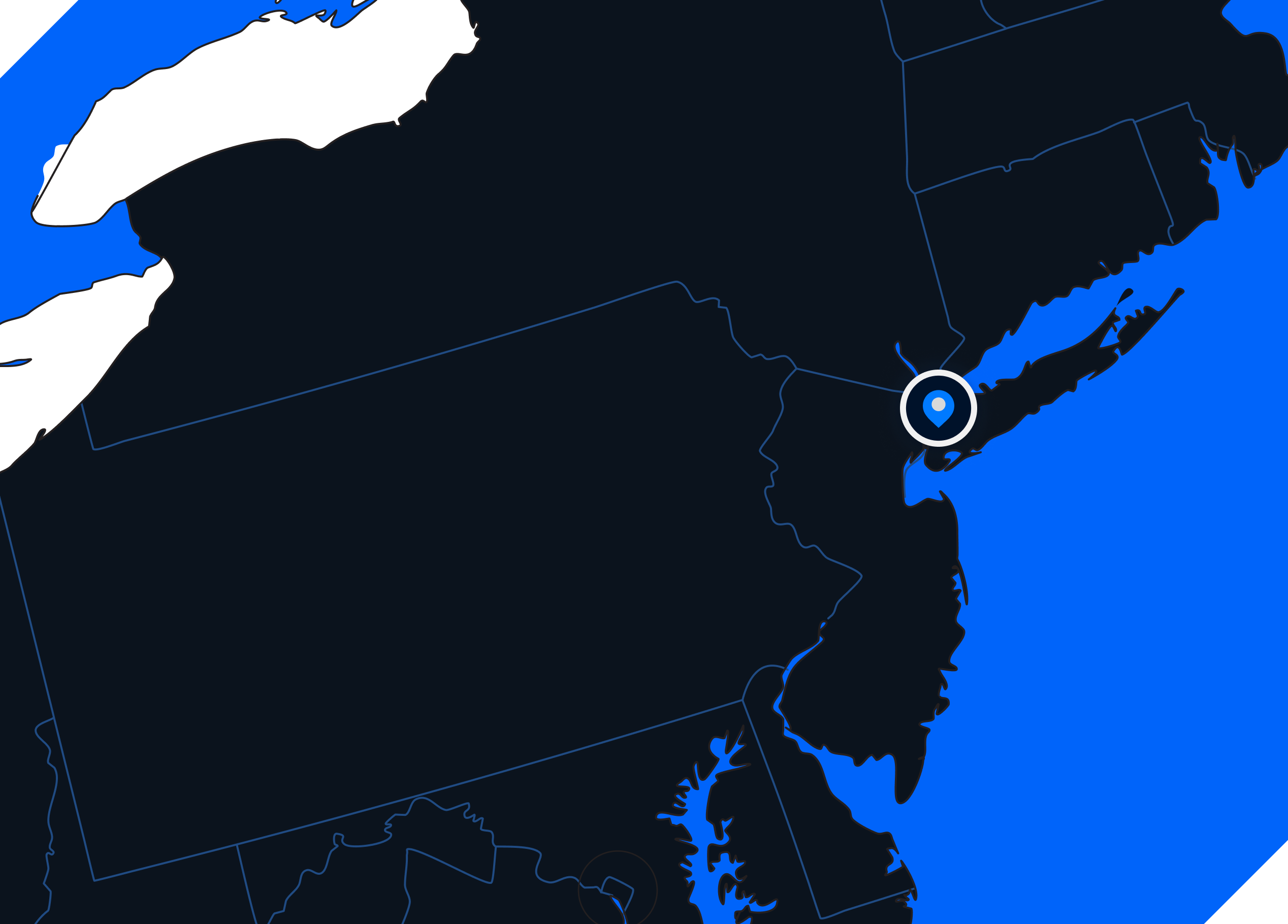
- Auburn, NY · Cayuga County
Eric returned from the Army to work full-time in construction while staying in the Army Reserves. Joined the apprenticeship program to become a certified operating engineer during this project (completed 1997, a certification he still holds).
1993
Laborer · Surveyor · Heavy Equipment Operator
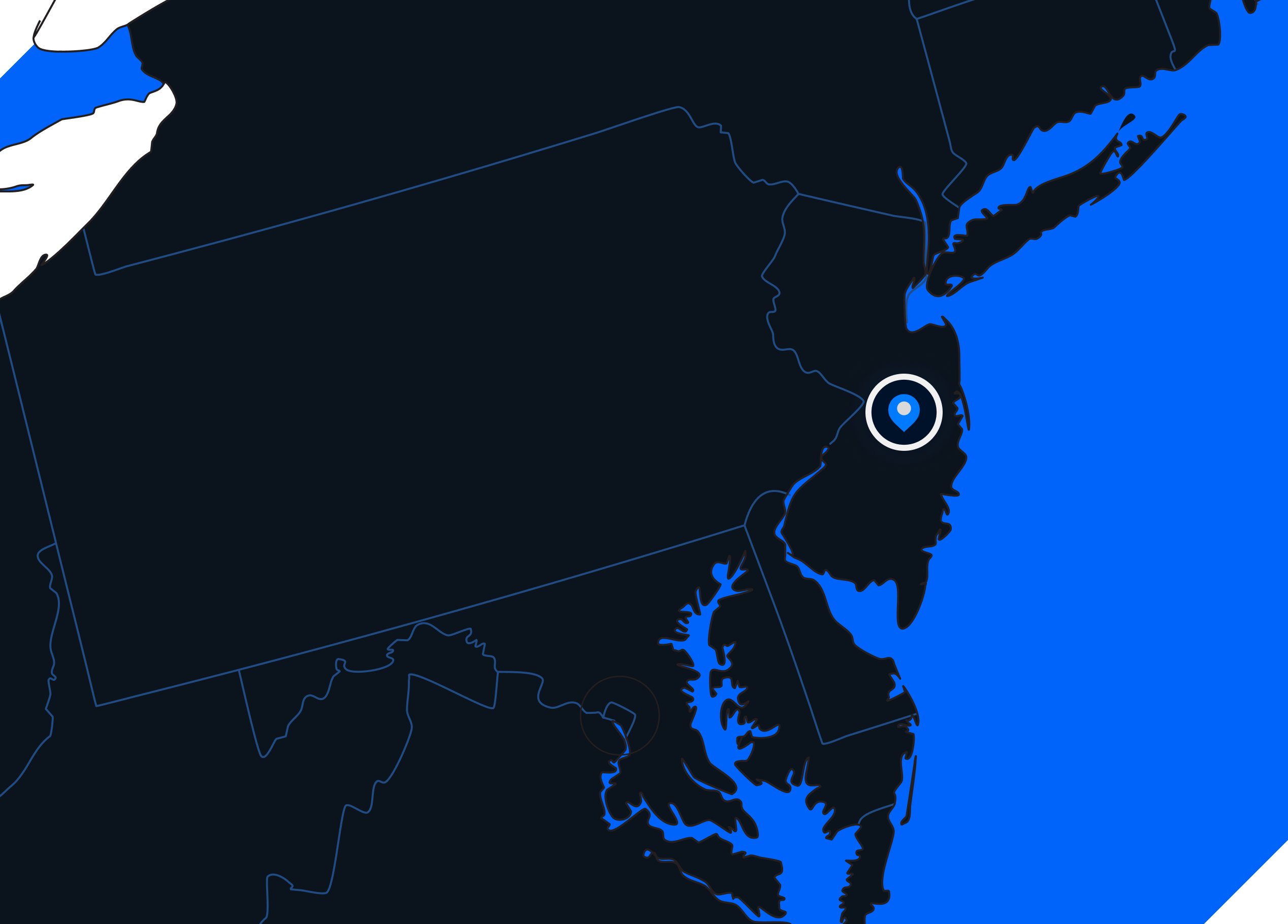
- Malone, NY · Franklin County
Eric took on expanded field responsibilities on this project, working across three trades: laborer, surveyor, and heavy equipment operator.
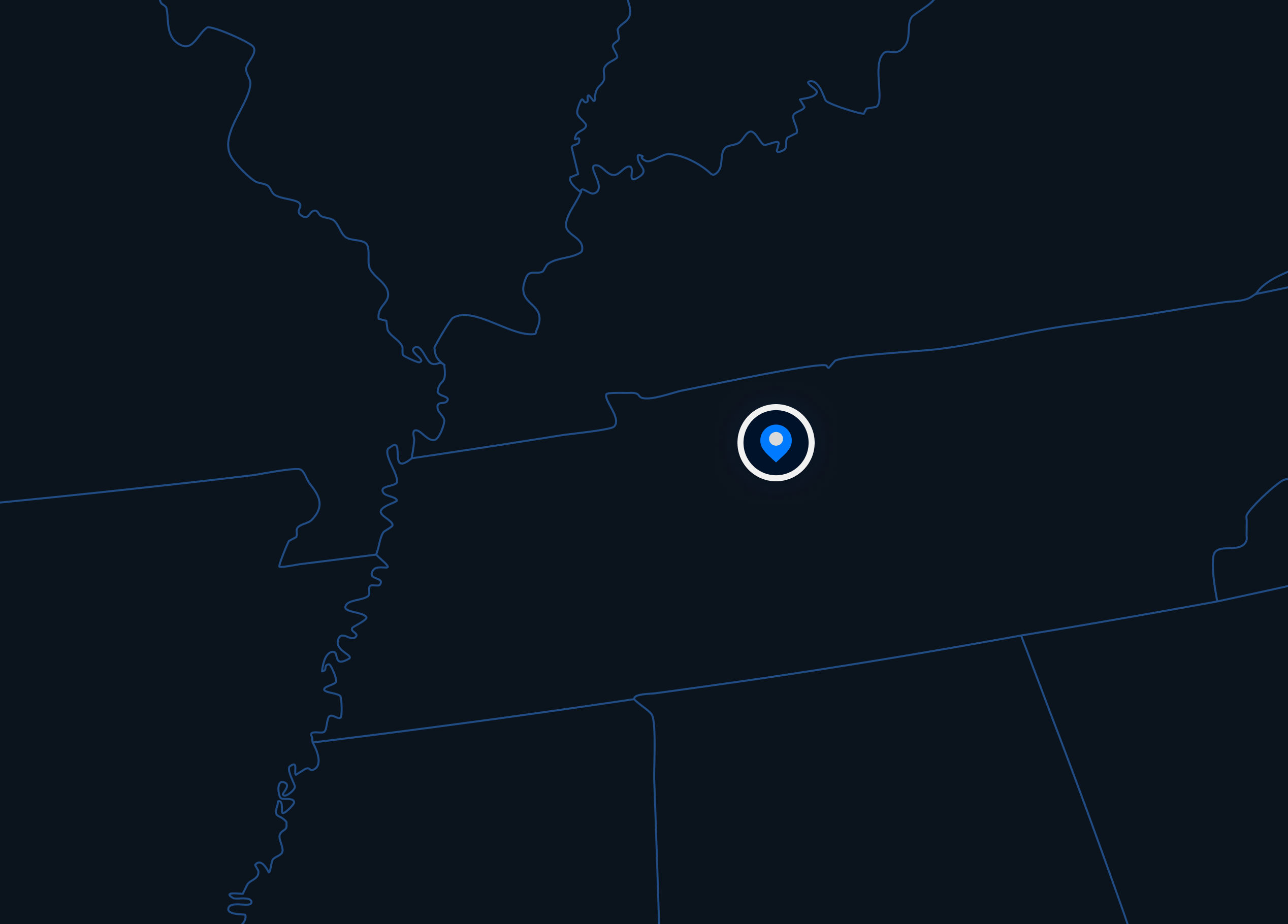
1994
Laborer · Surveyor · Heavy Equipment Operator
- Frankfort, NY · Herkimer County
Constructed leachate collection and site drainage in 1994–95. Landfill closure completed in 1996. Gas removal windmill built in 1997. Eric worked across all phases of this multi-year project.
1998
Superintendent (First Time)
- Sodus, NY · Wayne County
Eric’s first job as a project superintendent — the beginning of his transition from the field to project leadership.
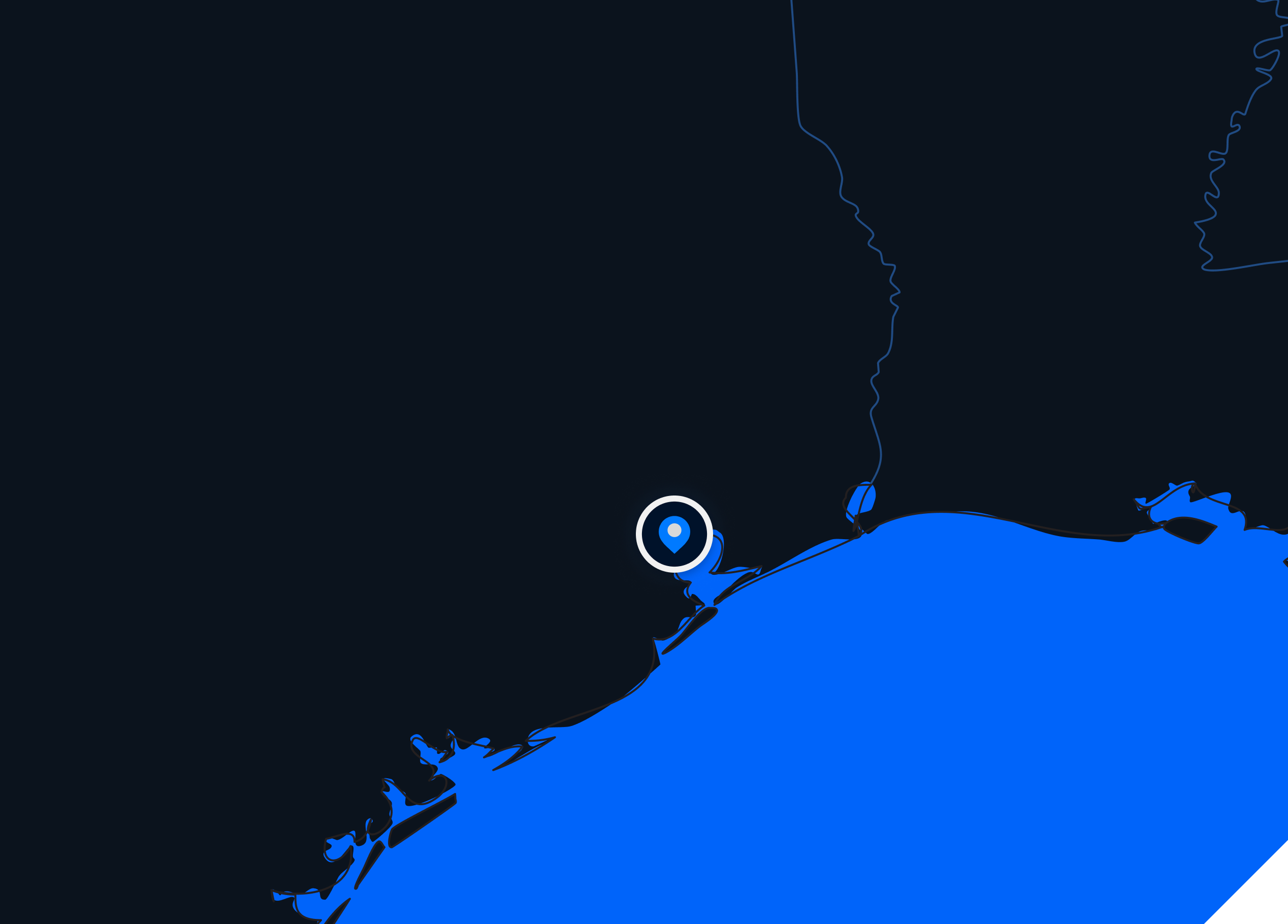
2008
Superintendent
- Wampsville, NY · Madison County
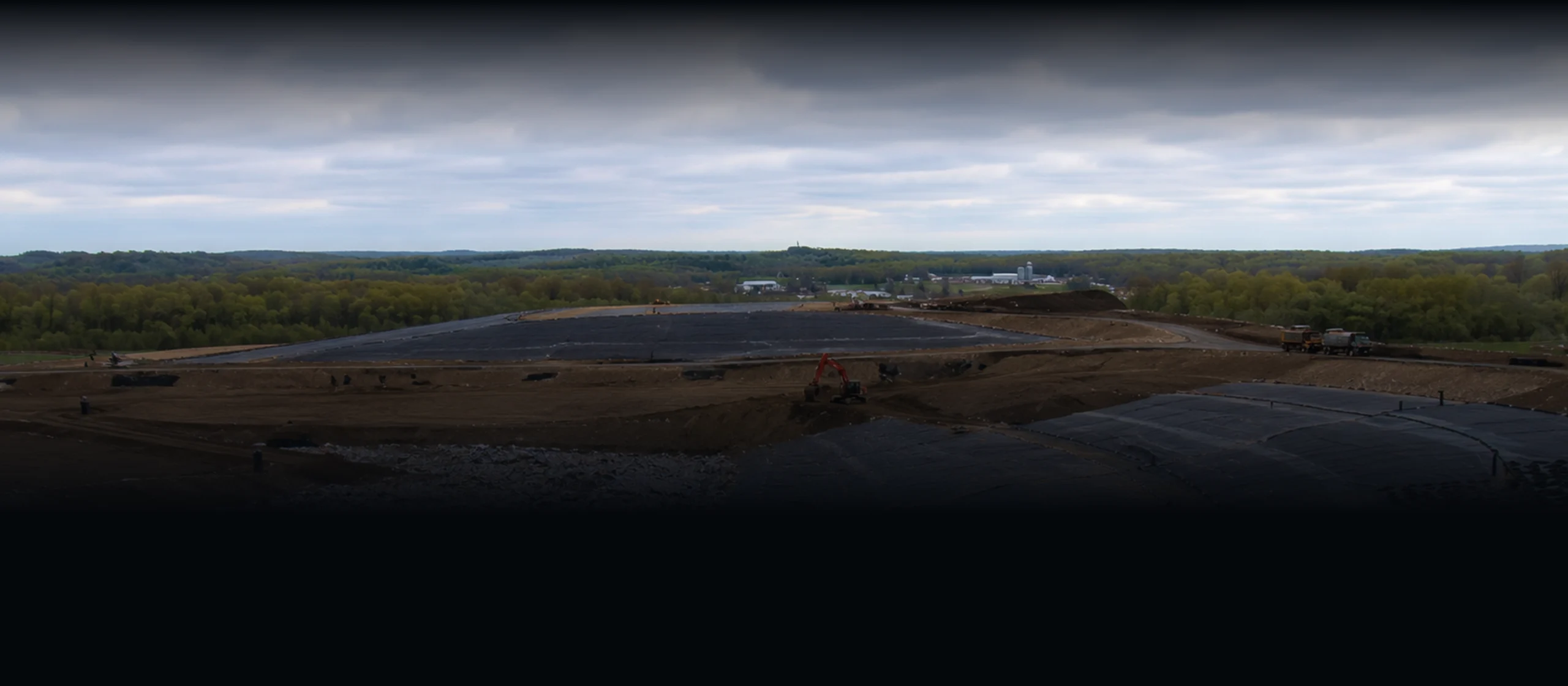
Cell 7 liner system construction on the Madison County Landfill. By this point Eric was running full field operations independently.
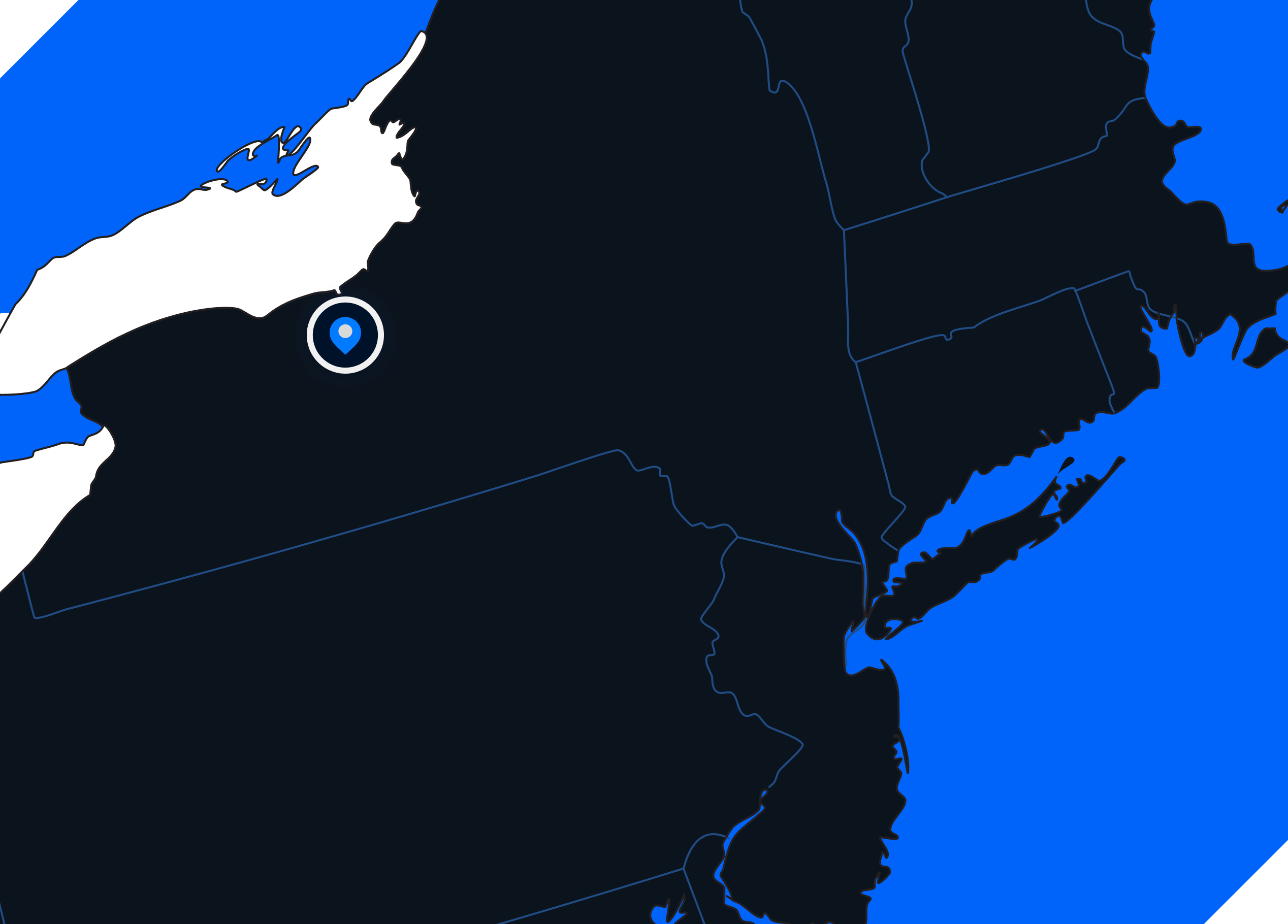
2012
Project Manager (First Time)
- Stanley, NY (Ontario County) + Morrisonville, NY (Clinton County)
Two of the largest projects Eric managed in his first year as a project manager. He worked on several other projects that year, but these were the biggest. Marks his transition from field superintendent to full project management.
2022
Senior Project Manager
- Middlesboro, KY + McGuire Air Force Base, NJ
2022 marked the first time Eric ever worked outside of New York State. He worked as senior project manager on both federal projects, plus several others that year.
2025
Founder · Owner · Director of Operations
- Sauquoit, NY · Oneida County
Eric founds Hale Excavation LLC — bringing 35 years of experience home to Central New York. From here we serve Oneida County, the Mohawk Valley, Herkimer, Madison, and surrounding counties. The scale is more personal now. The standards, work ethic, and project management discipline are exactly the same.
Projects listed above were completed under previous employers. They represent Eric Hale’s personal project resume and experience. Hale Excavation LLC was founded in November 2025.


Serving Central New York and the Mohawk Valley
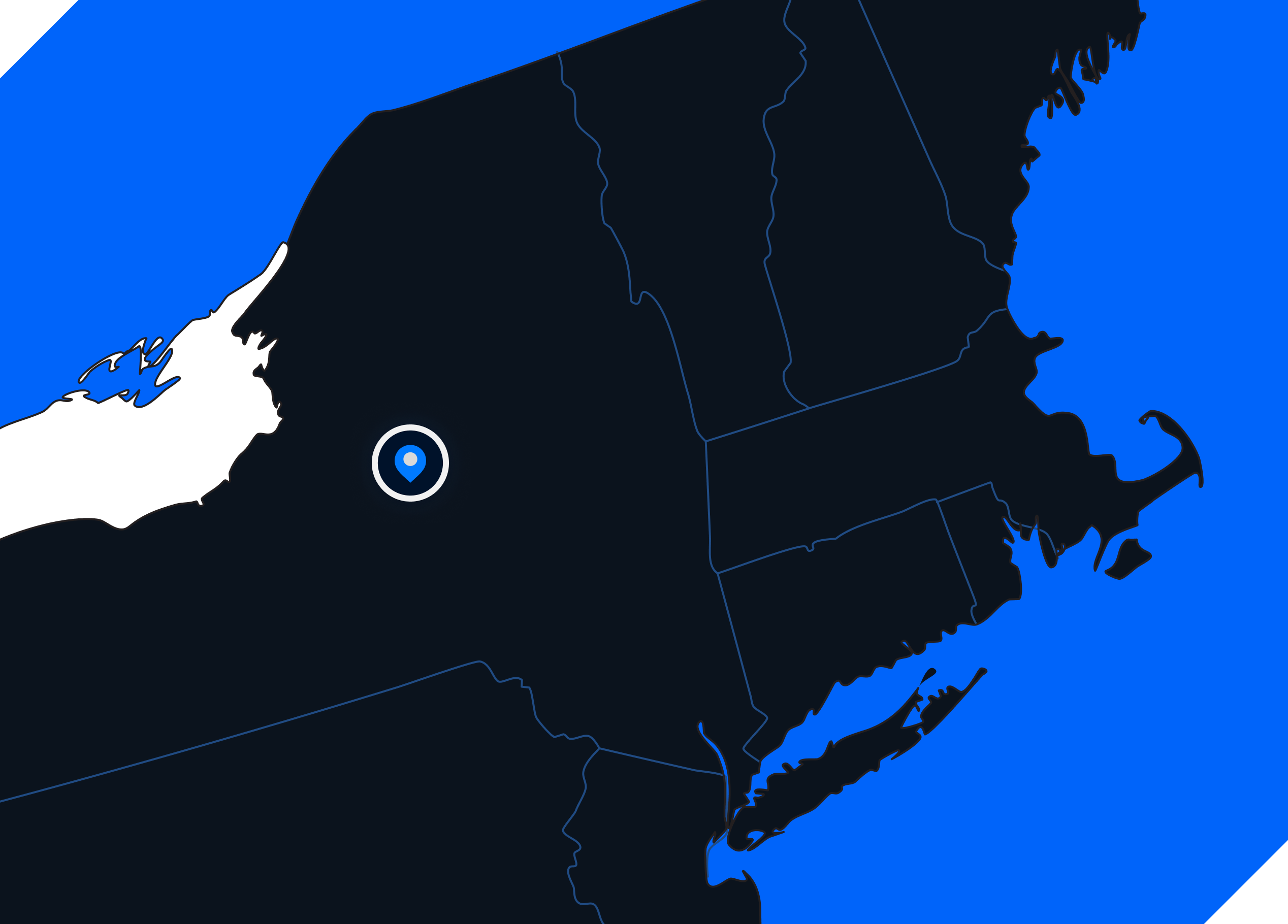
From Utica and Rome through the Mohawk Valley, north into Lewis County, west across Onondaga, south into Chenango and Cortland — we work the full Central New York region. Our home base is Sauquoit, and our standard service radius is one to two hours from Utica. For the right project, we travel further.


What is HDPE pipe fusion?
HDPE pipe fusion is the process of joining high-density polyethylene pipe sections by heating the pipe ends and pressing them together under controlled pressure. The result is a seamless, leak-free joint that is as strong as the pipe itself. It is the required joining method for HDPE pipe in pressure applications.
Why does HDPE fusion require a certified operator?
The fusion process has specific parameters (temperature, pressure, timing) that must be followed precisely. An improperly fused joint can fail under pressure. Certification demonstrates that the operator has been trained and tested on the correct procedure. Most project engineers and municipalities require certified operators for HDPE work.
What sizes of HDPE pipe can you fuse?
We fuse HDPE pipe in the range of sizes typically used for municipal water, sewer, and industrial applications. The specific size capacity depends on the fusion equipment available for the project. Contact us with your project specifications, and we will confirm our capability.
How does HDPE compare to PVC or ductile iron?
HDPE offers leak-free fused joints (no gaskets), corrosion resistance (no rust or degradation), flexibility (handles ground movement), and a longer expected service life (50 to 100 years). PVC and ductile iron have mechanical joints that can leak over time and are less flexible in shifting soils. HDPE costs more per foot but typically has lower lifecycle costs.
How do I get a consultation for HDPE pipe work?
Call us at (315) 982-3673 or contact us online. Share your project drawings and pipe specifications, and we will provide a scope and estimate for the fusion and installation work.
HDPE Pipe Fusion Questions