Skip to content

Environmental Earthwork Services in Oneida County & Central New York
HAZWOPER Certified. Ready for the Hardest Dig on the Site.
Environmental excavation is not standard site work. Contaminated soil, regulated disposal chains, documentation requirements, and strict safety protocols set this work apart from anything else we do. Our team holds HAZWOPER certification under 29CFR1910.120, the federal standard for hazardous waste operations and emergency response. We provide the earthwork side of environmental remediation projects for engineering firms, environmental consultants, municipalities, and industrial clients across Central New York.








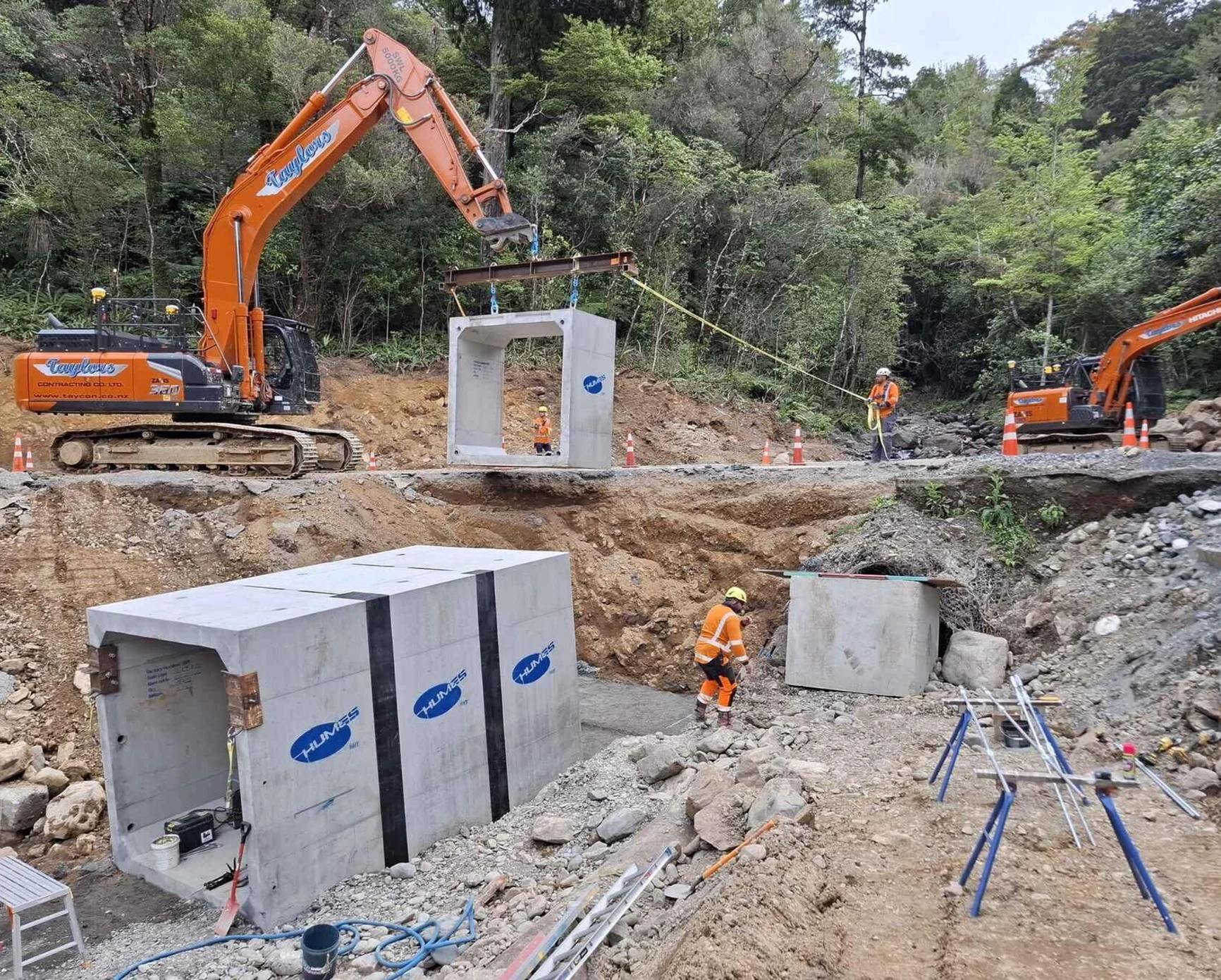
Environmental Excavation Across Central New York
Environmental remediation projects need an excavation contractor who understands the rules. Contaminated soil cannot be mixed with clean material. It must be segregated, stockpiled on lined surfaces, loaded into approved transport, and documented at every step. The excavation has to follow the remediation plan, and the crew has to work under health and safety protocols that standard construction does not require.
Hale Excavation is a veteran-owned, licensed, and insured contractor with over 35 years of construction experience, including environmental remediation and earthwork on railroad sites, industrial facilities, landfills, and military installations. Our owner has worked on PCB remediation projects, contaminated soil removal at Air Force bases, and environmental restoration for the U.S. Army Corps of Engineers. He brings that experience to every environmental project we take on in Central New York.
The EPA estimates there are roughly 450,000 brownfield sites across the United States that need assessment or cleanup. Many of those are former gas stations, dry cleaners, industrial properties, and rail yards in communities just like the ones we serve in Oneida County, Herkimer County, and the Mohawk Valley.
We work as the earthwork subcontractor to environmental engineering firms and remediation consultants. We also work directly with property owners and municipalities on smaller-scale contaminated soil removal projects. Free consultations on any environmental earthwork scope.


Signs You Need Environmental Earthwork
Phase II Assessment Found Contaminated Soil on Your Property
A Phase II Environmental Site Assessment confirmed contamination, and the remediation plan calls for excavation and off-site disposal. You need a HAZWOPER-certified excavation contractor to perform the dig safely and in compliance with the plan.
Buying or Developing a Former Industrial or Commercial Property
Old gas stations, auto shops, dry cleaners, rail yards, and manufacturing sites often have soil contamination that must be addressed before redevelopment. Environmental excavation is typically part of the cleanup required to get the site cleared for new use.
Municipality or Agency Requires Soil Removal from a Regulated Site
Brownfield redevelopment, Superfund work, or state-directed cleanup orders may require excavation of contaminated soil under specific protocols. The excavation contractor must follow the remediation plan, maintain chain-of-custody documentation, and deliver material to approved disposal facilities.
Railroad or Utility Corridor Needs Remediation Earthwork
Railroad right-of-way cleanup, pipeline corridor remediation, and utility easement excavation in contaminated areas require HAZWOPER-certified crews and specialized handling procedures. These projects typically operate under engineering firm oversight with strict documentation requirements.
Demolition Uncovered Contaminated Soil Underneath the Structure
Sometimes contamination is discovered during demolition or construction. Underground storage tanks, chemical spills, and decades of industrial use can leave contaminated soil that was not visible during the initial assessment. We can mobilize quickly when unexpected contamination is found.
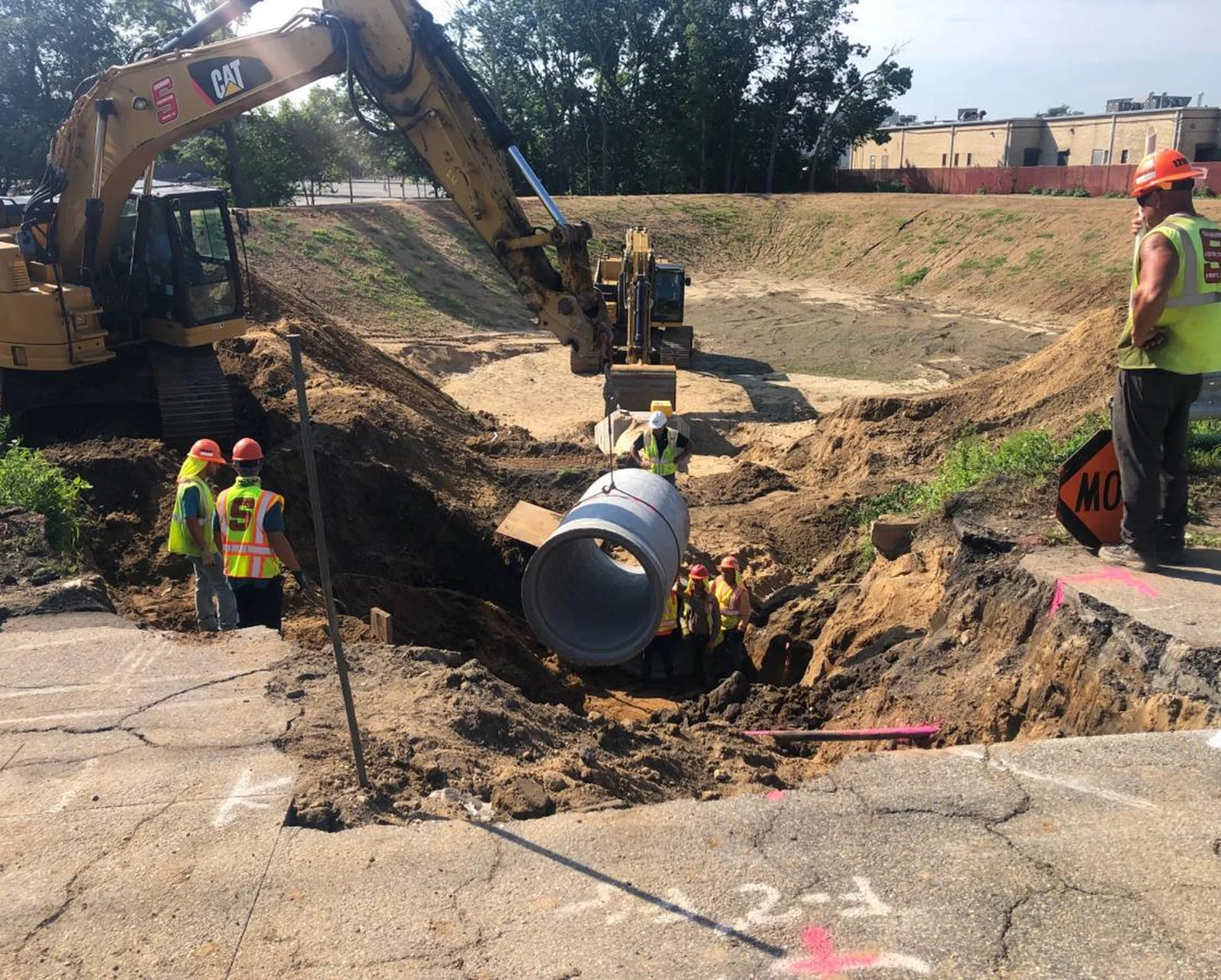
Types of Environmental Earthwork We Handle
- Contaminated Soil Excavation & Removal
Selective excavation of contaminated soil to the depths and extents defined in the remediation plan. We segregate contaminated material from clean soil, stockpile it on lined pads, load it into approved transport vehicles, and coordinate haul-off to licensed disposal or treatment facilities.
- Brownfield & Industrial Site Excavation
Earthwork for brownfield redevelopment, former manufacturing sites, petroleum-contaminated properties, and abandoned industrial parcels. This work often includes removal of underground storage tanks, contaminated fill, and impacted soil, followed by confirmation sampling support and backfill with clean material.
- Railroad & Infrastructure Remediation Earthwork
Excavation support for railroad right-of-way cleanup, pipeline remediation, and utility corridor restoration. Our owner has direct experience on railroad remediation projects and infrastructure earthwork for federal agencies, including PCB removal and contaminated soil disposal on military installations.
- Site Restoration & Backfill After Remediation
After contaminated soil is removed, the site needs to be restored. We backfill excavated areas with approved clean fill, compact to specification, grade for proper drainage, install erosion and stormwater controls, and return the site to a usable condition.
Why Professional Environmental Earthwork Matters
It Meets Federal and State Regulatory Requirements
Environmental excavation must comply with federal regulations, including CERCLA, RCRA, and state-level DEC requirements. Improper handling, transport, or disposal of contaminated soil can result in fines, project shutdowns, and legal liability. HAZWOPER-certified crews are trained to work within these regulatory frameworks.
It Protects Workers and the Surrounding Community
Contaminated soil can contain petroleum hydrocarbons, heavy metals, PCBs, asbestos, and volatile organic compounds. HAZWOPER training under 29CFR1910.120 covers hazard recognition, personal protective equipment, decontamination procedures, and emergency response. Standard construction crews are not trained or equipped for this work.
It Creates the Documentation Trail You Need
Environmental projects require chain-of-custody records, disposal manifests, daily field logs, and confirmation sampling support. Without proper documentation, a cleanup cannot be verified as complete. We maintain export logs, quantity tracking, and facility receipts for every load that leaves the site.
It Restores the Property for Productive Use
EPA research shows that brownfield cleanup leads to residential property value increases of 5 to 15 percent within 1.24 miles of the remediated site. A cleaned-up property can be redeveloped, sold, or returned to community use. The earthwork is what makes that possible.
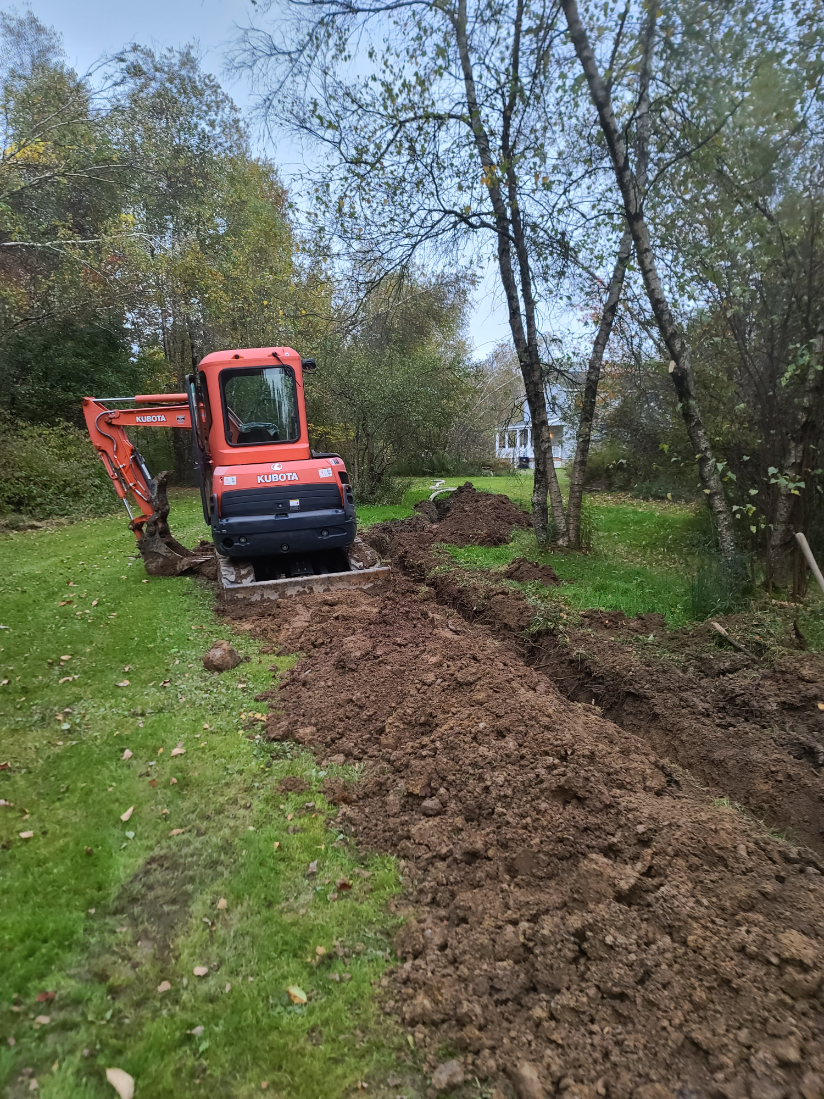
What Environmental Earthwork Includes
The exact scope depends on the remediation plan, but a typical environmental earthwork project includes some or all of the following:
Mobilization and site setup: Equipment mobilization, erosion and sediment control installation, decontamination pad setup, and stockpile area preparation on lined surfaces.
Contaminated soil excavation: Selective excavation to the limits defined in the plan, with real-time coordination with the on-site environmental consultant for confirmation sampling and excavation extent adjustments.
Soil segregation and stockpiling: Separating contaminated material from clean soil, staging it on lined pads, and protecting it from stormwater runoff until it is loaded for transport.
Haul-off and disposal coordination: Loading contaminated soil into approved transport vehicles, maintaining chain-of-custody documentation, and coordinating delivery to licensed disposal or treatment facilities. We track manifests and provide export logs.
Backfill and restoration: Importing clean fill, backfilling excavated areas, compacting to specification, grading for proper drainage, and restoring the site surface.
Stormwater and erosion control: Installing and maintaining erosion controls throughout the project to prevent contaminated sediment from leaving the site.
Documentation support: Daily quantity tracking, disposal facility receipts, export logs, and field coordination with the project engineer or environmental consultant.
Excavation and Site Work Across Every Job Type
Seven service types covering every excavation need — residential, commercial, municipal, and industrial. If it involves moving earth, managing water, or building infrastructure, Hale handles it.
Site Preparation
Land clearing, building pad prep, topsoil work, subgrade, and final cleanup


Grading
Rough and finish grading, lot leveling, slope correction, drainage grading, and retaining walls

Drainage Solutions
French drains, catch basins, culverts, dry wells, and stormwater management
Septic Systems
New installation, repair and replacement, leach field work, and emergency service
Underground Utilities
Water and sewer lines, HDPE pipe fusion, utility trenching, and storm drains
Commercial Maintenance
Site maintenance, snow plowing, commercial mowing, and landfill maintenance
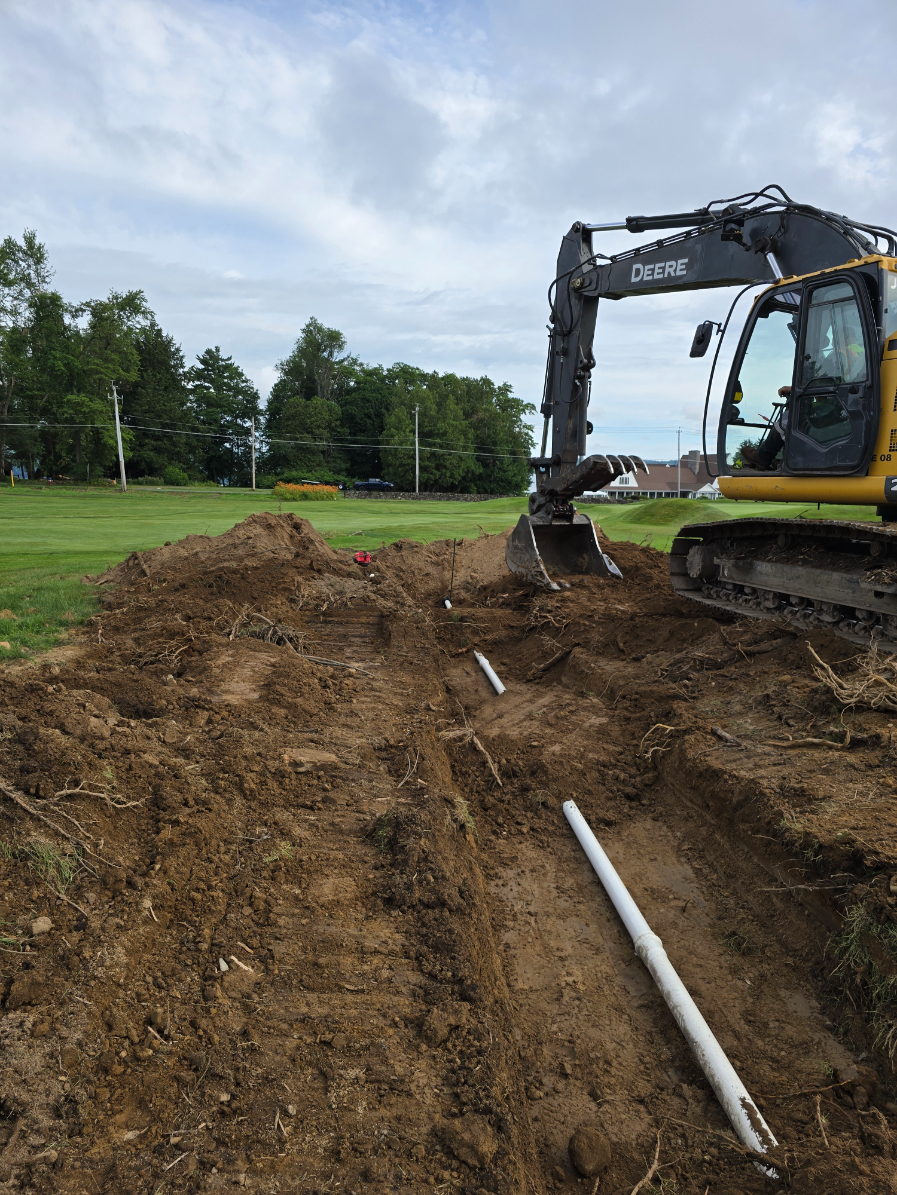
Related Services
Environmental earthwork often follows structure demolition on contaminated properties. We handle both the demolition and the environmental excavation under one operation.
After remediation, many properties move directly into redevelopment. We transition from environmental excavation to new construction site prep on the same site.
Remediation sites often require utility relocation, replacement, or new installation as part of the restoration. We handle utility work alongside the environmental earthwork.
Get in touch
Three Decades of Major Project Experience
Hale Excavation LLC is a new venture led by Eric Hale, who brings extensive experience in landfill construction, environmental remediation, road construction, and federal projects. He has worked with the U.S. Army Corps of Engineers, the U.S. Forest Service, the Air Force, and major environmental firms throughout his career.
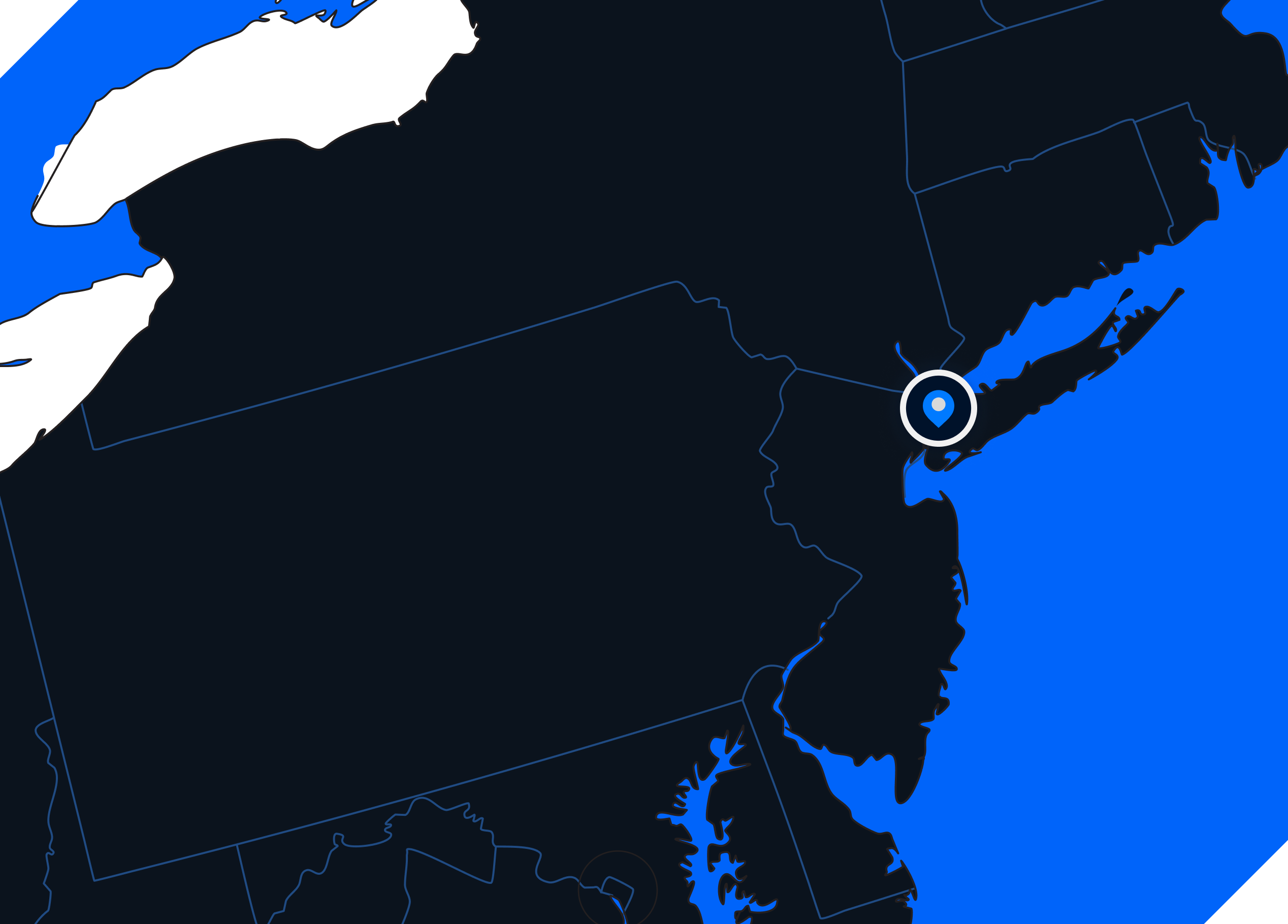
1991
Laborer & Surveyor
- Auburn, NY · Cayuga County
Eric returned from the Army to work full-time in construction while staying in the Army Reserves. Joined the apprenticeship program to become a certified operating engineer during this project (completed 1997, a certification he still holds).
1993
Laborer · Surveyor · Heavy Equipment Operator
- Malone, NY · Franklin County
Eric took on expanded field responsibilities on this project, working across three trades: laborer, surveyor, and heavy equipment operator.
1994
Laborer · Surveyor · Heavy Equipment Operator
- Frankfort, NY · Herkimer County
Constructed leachate collection and site drainage in 1994–95. Landfill closure completed in 1996. Gas removal windmill built in 1997. Eric worked across all phases of this multi-year project.
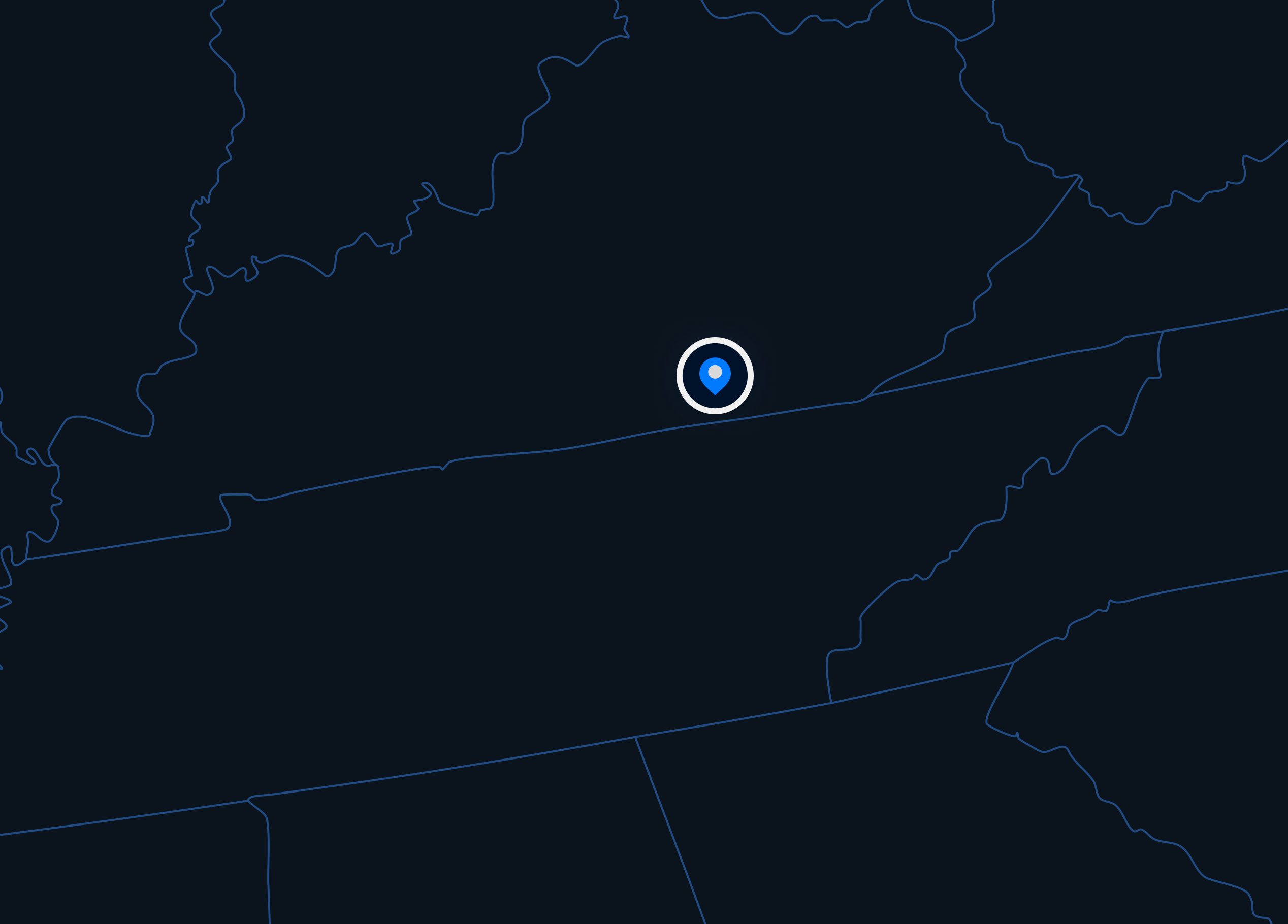
1998
Superintendent (First Time)
- Sodus, NY · Wayne County
Eric’s first job as a project superintendent — the beginning of his transition from the field to project leadership.
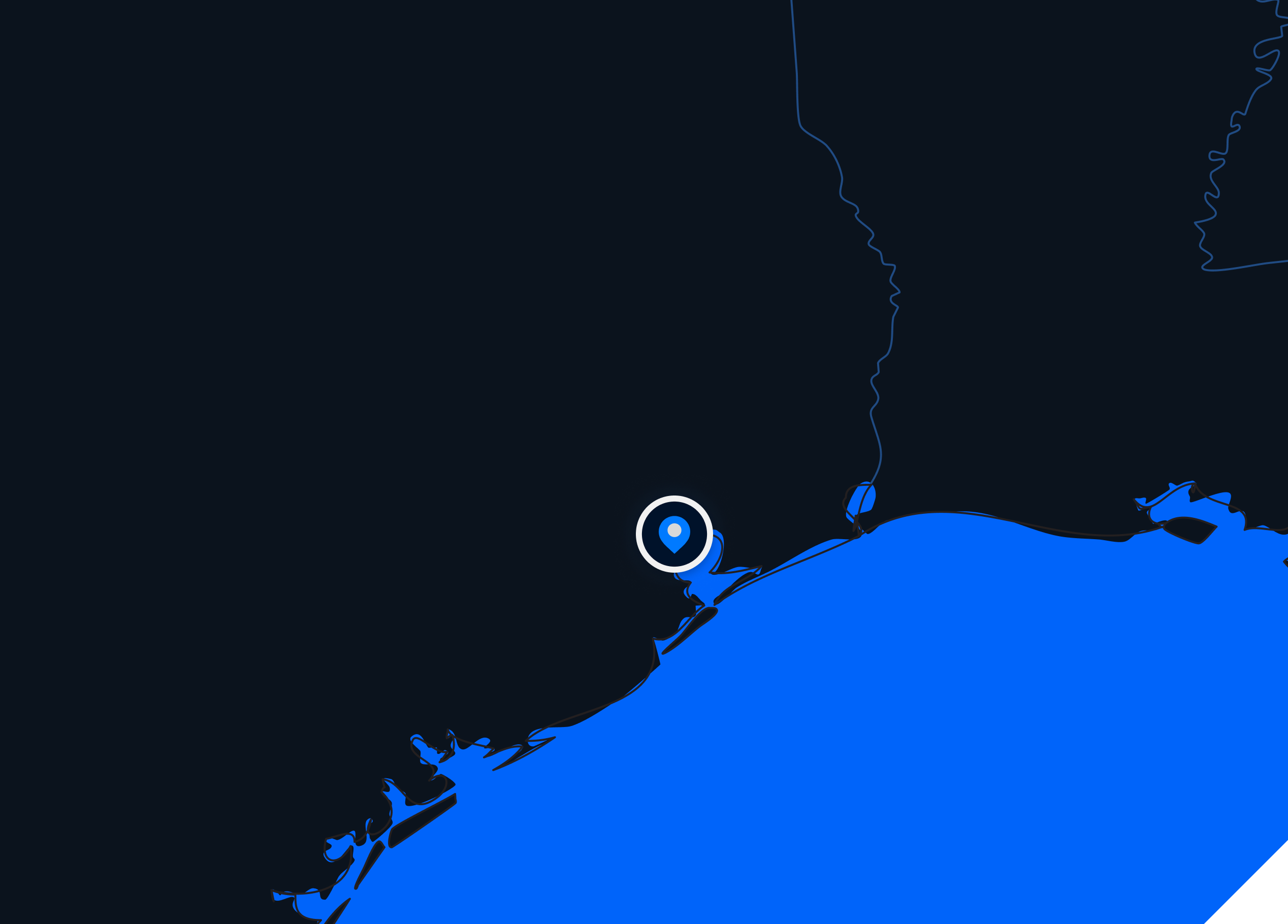
2008
Superintendent
- Wampsville, NY · Madison County
Cell 7 liner system construction on the Madison County Landfill. By this point Eric was running full field operations independently.
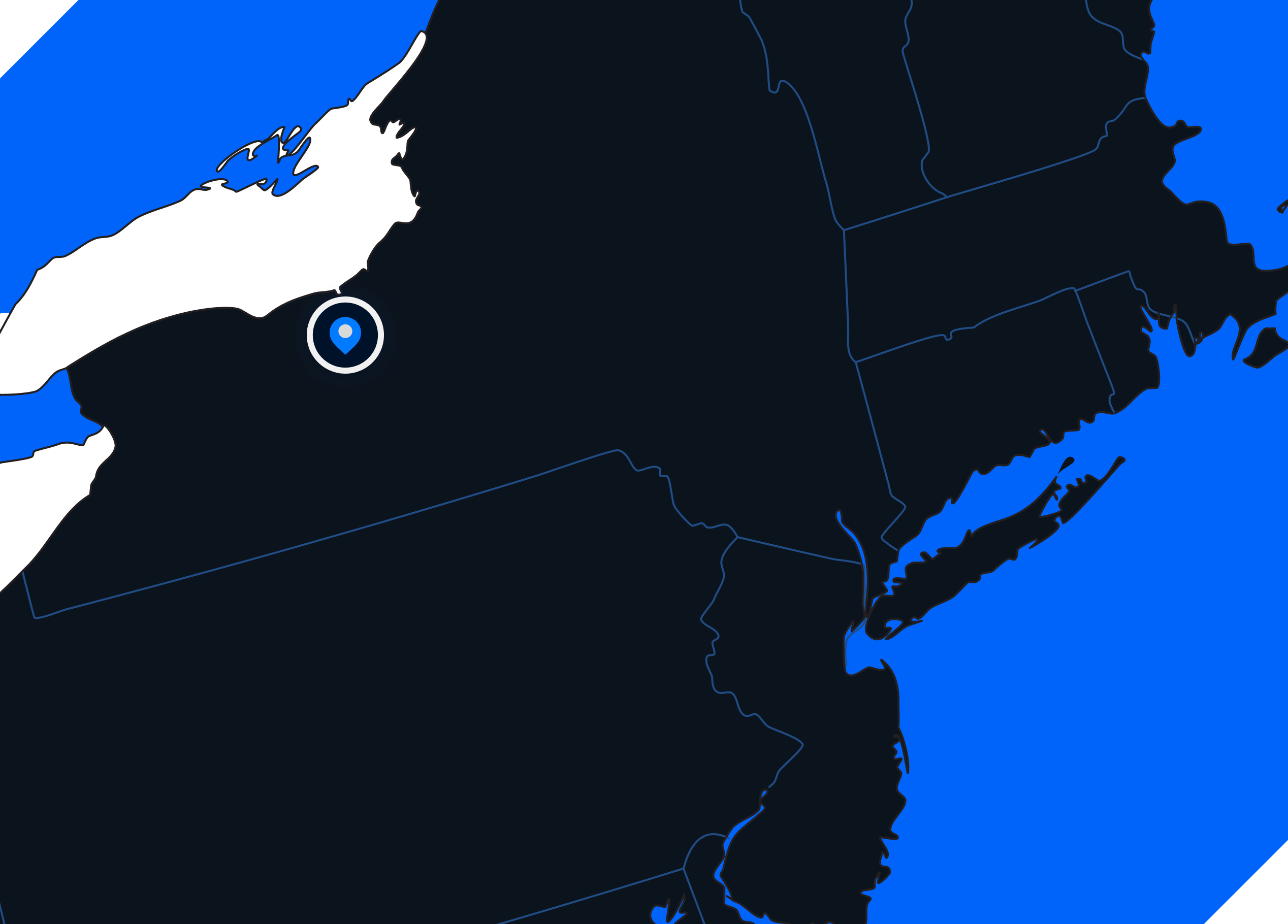
2012
Project Manager (First Time)
- Stanley, NY (Ontario County) + Morrisonville, NY (Clinton County)
Two of the largest projects Eric managed in his first year as a project manager. He worked on several other projects that year, but these were the biggest. Marks his transition from field superintendent to full project management.
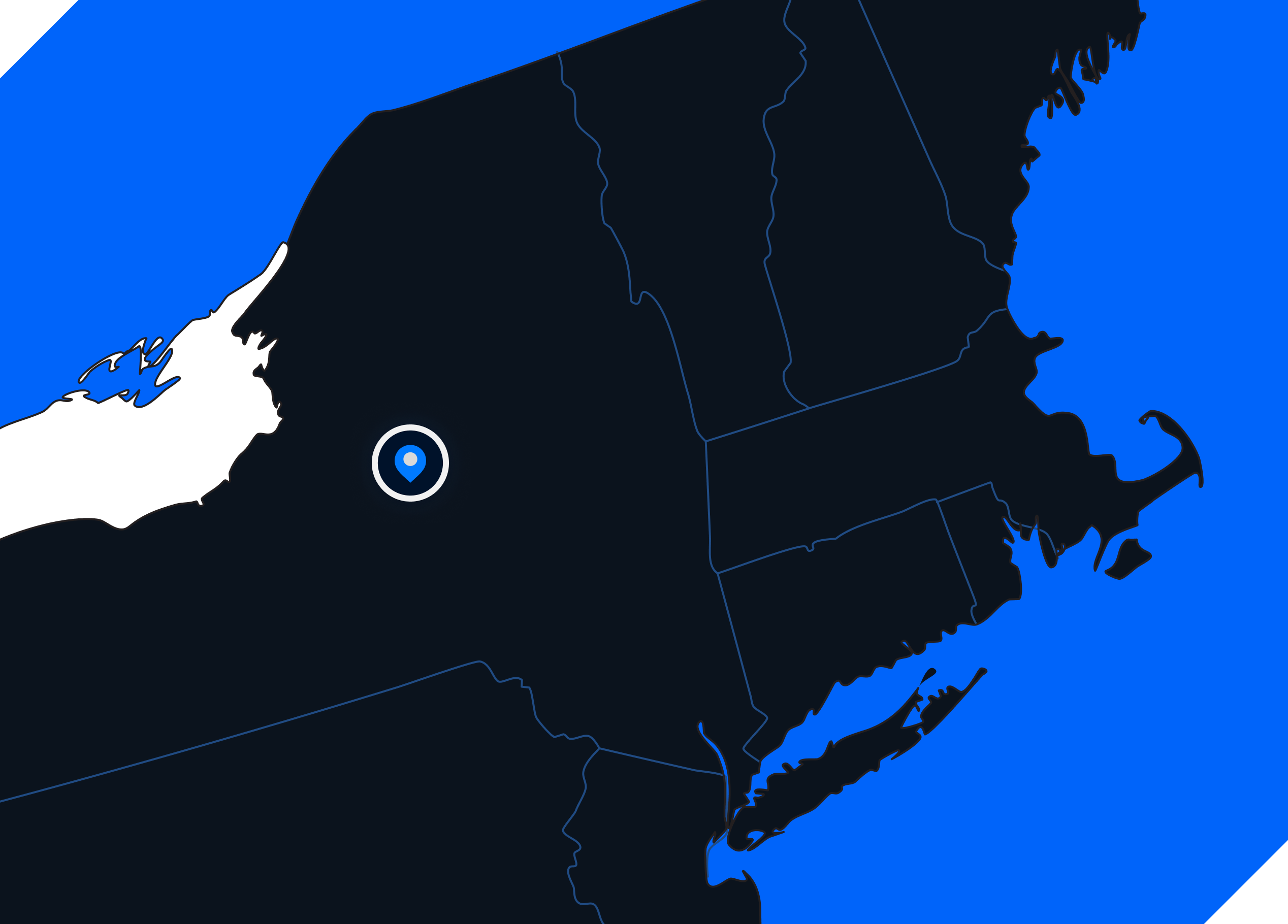
2022
Senior Project Manager
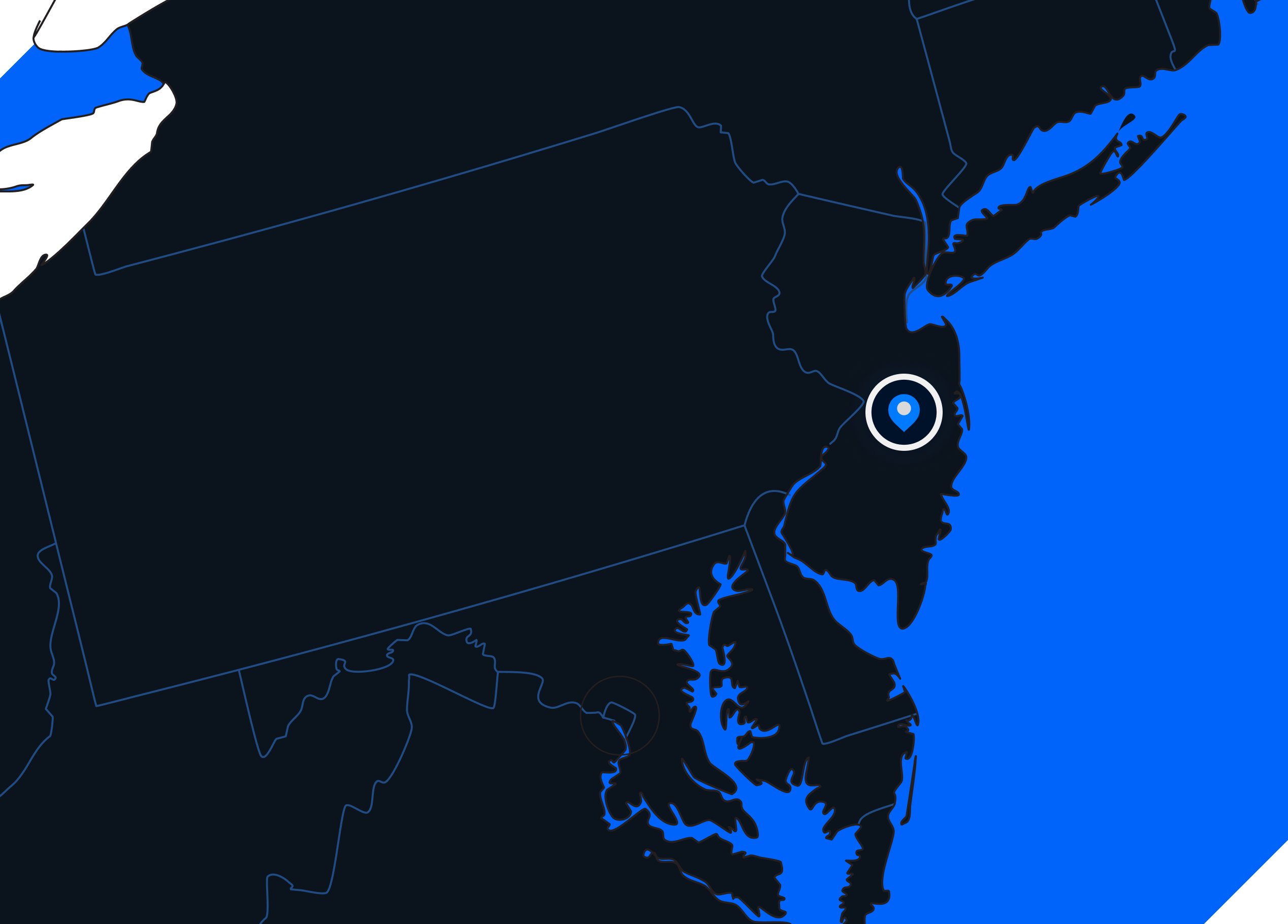
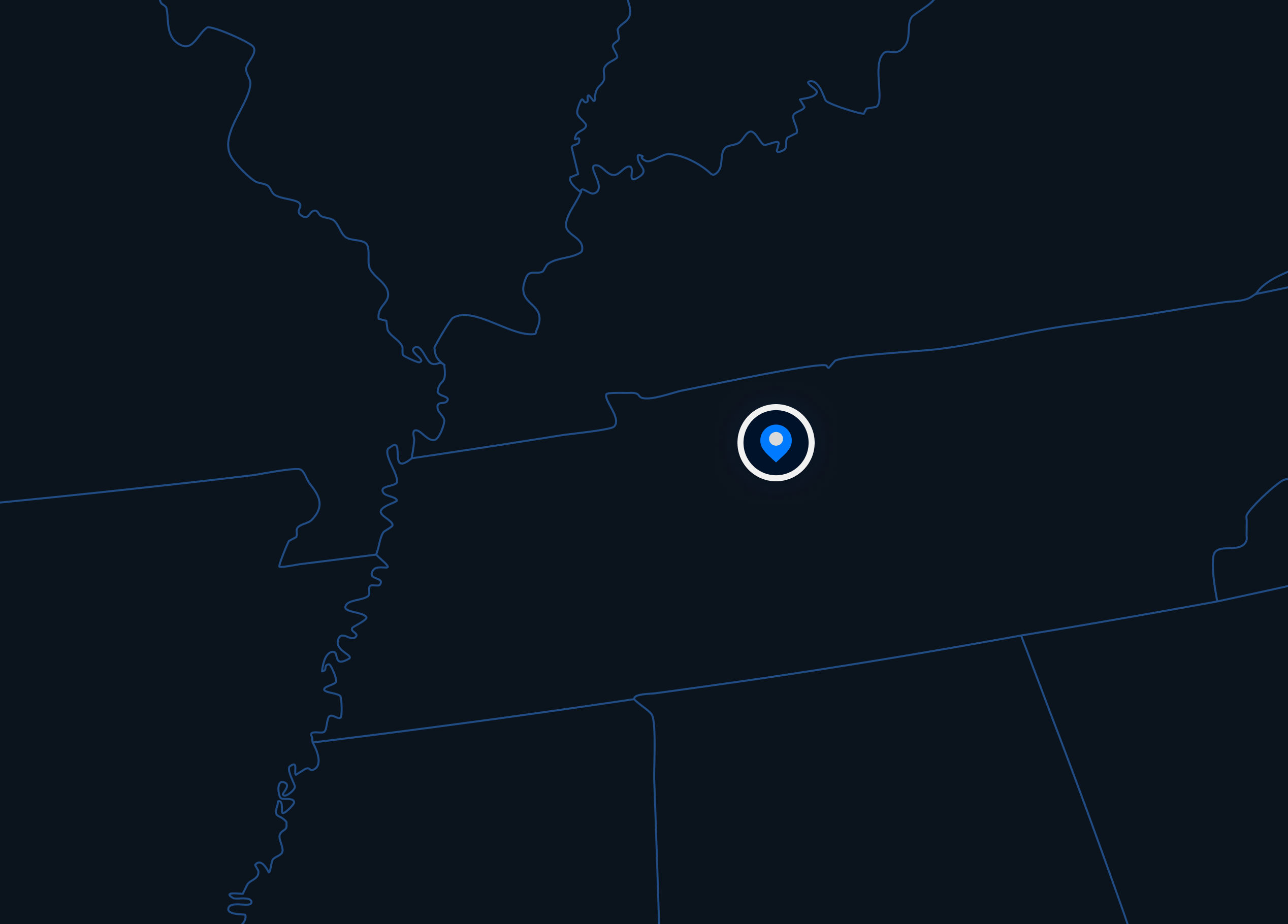
- Middlesboro, KY + McGuire Air Force Base, NJ
2022 marked the first time Eric ever worked outside of New York State. He worked as senior project manager on both federal projects, plus several others that year.
2025
Founder · Owner · Director of Operations
- Sauquoit, NY · Oneida County
Eric founds Hale Excavation LLC — bringing 35 years of experience home to Central New York. From here we serve Oneida County, the Mohawk Valley, Herkimer, Madison, and surrounding counties. The scale is more personal now. The standards, work ethic, and project management discipline are exactly the same.
Projects listed above were completed under previous employers. They represent Eric Hale’s personal project resume and experience. Hale Excavation LLC was founded in November 2025.


Serving Central New York and the Mohawk Valley
From Utica and Rome through the Mohawk Valley, north into Lewis County, west across Onondaga, south into Chenango and Cortland — we work the full Central New York region. Our home base is Sauquoit, and our standard service radius is one to two hours from Utica. For the right project, we travel further.


What is HAZWOPER certification, and why does it matter?
HAZWOPER stands for Hazardous Waste Operations and Emergency Response. It is a federal OSHA standard (29CFR1910.120) that requires specialized training for workers who handle hazardous substances or work on contaminated sites. Our crew holds this certification, which is required for any environmental excavation involving regulated materials.
Do you work with environmental engineering firms?
Yes. We regularly work as the earthwork subcontractor for environmental consultants and engineering firms. We follow the remediation plan, coordinate with on-site consultants for confirmation sampling, and maintain the documentation required for project closeout.
What types of contamination can you excavate?
We excavate soil contaminated with petroleum hydrocarbons, heavy metals, PCBs, and other regulated materials as defined in the remediation plan. The environmental consultant determines the contamination type and excavation limits. We perform the earthwork safely and in compliance with those specifications.
Do you handle disposal of contaminated soil?
We coordinate haul-off to licensed disposal or treatment facilities. We maintain chain-of-custody documentation, disposal manifests, and export quantity logs. The specific disposal facility is typically determined by the environmental consultant or project engineer based on the contamination type.
How do I get a consultation for environmental earthwork?
Call us at (315) 982-3673 or contact us online. If you have a remediation plan, share it with us, and we will provide a scope and estimate for the earthwork. If you are in the assessment phase, we can discuss what the earthwork portion of the project might look like.
Environmental Earthwork Questions